some human fiber vibrates higher me, i only burn. two silver dollar eyes confine a mind to yawn or yearn when pretty pain bemuses brain and tooth both crystallized upon deliberation wayward pharisee relies. for now i’m left with nothing but the song and sky i love at last the earth perfects that speck of dust we each become
Meghan is a former classicist and recovering academic who creates poetry about love, depression, and writing itself under the alias writesallnight. You can find her on instagram @writesallnight.
/it’s just that waves hold better than dirt/it’s just that I never expected for you to hang around/
It’s just that
I’ve always chewed with my mouth closed, and you’ve always felt entitled to seconds, so when you think of it that way
What I mean is
I know how to keep a secret
What I mean is
On a long enough timeline, monogamy is always a failure
I go back at midnight to sift through the turrets because water weight has never scared me, I’m clawing at the grit of it now, nails dug in deep, I’m excavating your eyes all bloodshot in night-air, I’m dredging the lake for the way I could feel the coke in your veins in my bones, and what I’m trying to say is that we were just two skeletons pressed together
What I mean is
We should have dug separate graves
What I mean is
/it’s just that/
I’ve always wanted to swallow somebody whole
Emily Perkovich is from the Chicago-land area and the Editor in Chief of Querencia Press. You can find her on IG @undermeyou or Twitter @emily_perkovich
Roach wasn’t around, and nobody else worth anything was around, so they walked home, too warm but not headachey, so, so, so. Some might call that escape, and others might call that *where’s your security* and *why don’t you do anything I ask* and *you need someone to watch you!* But they came back, right? It’s not like — it wasn’t treason. It was just. Stepping to the side of expectations, neat and unexpected. The job’s done, what else does it matter?
Matters a lot, apparently. Images, images; cut to the tune, parsed out to the meter of the violence. Meter, meted, well-met by moonlight? A bruise blossoms on their cheek, some more underneath their sweater. The maelstrom is here, is not here, is here; immaterial, inescapable, ready and waiting and they are both here to take, aren’t they? Lucchese and the Storm, it doesn’t matter what kind of work they do, doesn’t matter who they are, just — Lion squeezes blood out of a stone and neither of them are impressed, just more and more and more. Who is the blood an offering to? They fight for it. Lion scarcely cares who the winner is.
There’s ice in the freezer downstairs, and they go up to sit in the garage. It’s a warm night, but it’s gotten cooler from the heat of the day. Sunlight filters through the open garage door, hits them full in the face, the warmth and the freedom that’s beyond — that they can taste but can’t touch. Tastes like smoke, like burning. Maybe that’s some kind of future.
One of the hired mercenaries has parked his car in the garage. Not a car — a van. Nearly a little house, the way it’s all tricked out; a shell for a turtle. The owner is courting Roach, which, okay, that’s certainly a choice. He doesn’t speak, just sits on the hood of his car, waiting for Roach. Same business, except Lion is sulking about it.
When twilight sinks the sun below the horizon, Lion goes back inside. Curfew. A different kind of headache, Lion darling? Yeah, yeah, yeah.
Lion uses the little light there is left in their room to paint that evening, the way the sun streaks across the garage floor, the way the blossom in their chest gives way to the maelstrom, just like everything does, in the end. Is it the end? It doesn’t feel like the future anymore.
Latitude’s favorite things to write include: the concept of the body, girls with knives, and procedural murders. They live in Michigan, their favorite place. Find them everywhere @geographconcept.
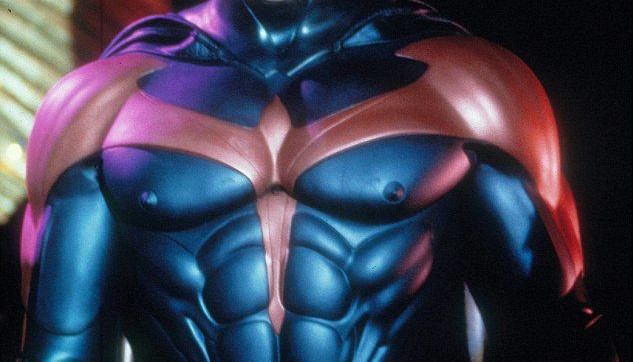
I want to say, “in 1993 when Section 28 prohibited the ‘promotion of homosexuality’ and the word gay meant something else. In 1995 when Billy, that spandex-clad Power Ranger, caught my eye. Maybe it was seeing Batman, and his devoted twink Robin, with those firm nipples in 1997 or Spiderman in 2002. Toby Maguire stood shirtless in front of a mirror and I imagined him shooting out sticky webs. No, it was 2004 when I first kissed a guy and my heart skipped a beat.”
But I just reply, “I always knew.”
Scott (he/they) is the editor of Queerlings and Powders Press. His writing has been published widely including Untitled Voices and Warning Lines. They drink too much coffee and tweet @scottaarontait
I didn’t think that something as simple and small as dust could kill you until I entered the aging walls of my late mother’s rambler. After opening the front door, I was greeted by a plume of brown smoke, thick with the taste of mildew, which flew into my mouth uninvited. The coughing fit that followed caused tears to stream from my eyes, nearly blinding me as I stepped into the dimly-lit space.
Piles of neatly organized cardboard boxes let me know that my sister was here. I walked into the kitchen, which had a sink that was nearly overflowing with dirty dishes. With a grimace, I inspected the damage. The water, although soapy, was starting to turn an inky gray, like someone had cracked open a pen and poured the contents into it.
“Jesus Christ,” I muttered, shaking my head. “No wonder she’s fucking dead.”
“Fran.”
I heard Starla’s sharp, brassy tone of voice behind me, and I turned to face her. Her dishwater-blond hair was tucked underneath a paisley-pink bandana. A few wispy strands framed her face. From the dark circles underneath her eyes, I could tell that she had been up for hours already, despite it only being 9AM.
She looked so much like Mom.
“What? This entire house is an asthmatic death trap.”
“Good thing you don’t have asthma.” She rolled her eyes and set down the box that she had been balancing on her hip like a toddler. “Nice of you to join me this morning. What, you’re still hungover?”
“How’d you guess?”
She stared at me starkly, with an expression that communicated that she would strangle me if she wasn’t so tired. “Really? If you were going to be useless, you shouldn’t have come.”
“I’m not going to be useless.” I cracked open my water bottle and took a sip. Tasted stale, much like the 6-month old box of cornflakes I had eaten earlier this morning. “Just tell me what to do and I’ll do it.”
“You really shouldn’t be drinking that much anymore. Especially after everything that happened.” She placed her hands on her hips, gazing at me with a fierce intensity; trying to make me feel ashamed.
But I wasn’t having any of that. “Hey. Our mother didn’t die of liver failure or alcohol poisoning. I think I’m good.”
“Drinking is hard on your heart.”
“Yeah, if you’re like, 40.” We’re both still in our late 20s— and even if I’m a pretty hard drinker, there’s no way that I’ve done enough damage to my organs yet. “I didn’t come here for a lecture; I came here to clean. So what do you want me to do first?”
She sighed. Wiped a hand across her forehead even though the bandana was there to clean up her sweat. So melodramatic. She looked around the space, and nodded in the direction of the sink. I looked back at her, a brow arched.
“The water in that sink looks like the Thames River before they invented modern plumbing. I’m going to get cholera.”
“Well, if you think you’re so invincible, it shouldn’t be a problem.”
And with that, she turned on her heel and exited the room. No further questions. No talkback. Just a dismissive and stern “Do what I say,” then flee the area before anyone has a chance to question you.
Again, so much like our mother.
I rolled up my sleeves and reached for the crusty blue sponge resting beside the faucet, then set to work. I don’t blame her for assigning this job to me. Years of working in restaurants has made cleaning dishes almost enjoyable, because it means that I don’t have to interact with customers. But the stench and color of this water is almost too much to bear—like mold and wet socks and a sweaty child’s unwashed hair. I tried breathing through my mouth, but even then, it was a struggle. I scrubbed through the layers of grime on the dishes and shook my head ferociously. Our mother, through most of our lives, was almost an obsessive-compulsive cleaner. It’s wild to think that she would’ve let things get this bad. What, had she finally decided after all these years of being a stark-raving neat freak that being a hoarder was better?
Her death hadn’t come as a surprise—rather, the fact that she had lived so long was a feat itself. Since we were children, before our father had even left her, our mother had struggled with health problems, primarily with her heart. Triple bypass at 40, multiple stents, high cholesterol, and a seemingly endless list of complications from her cardiovascular issues had arisen over the years, creating obstacle after obstacle for her everyday life. And our mother wasn’t unfit by any means; not even until the last few years of her life had she really put on any weight whatsoever. In her youth, she had been a champion swimmer— she had boasted that she had been scouted by many a Division I coach, back in the day. You couldn’t tell from looking at her just how much bad luck brewed inside her seemingly able-body.
So maybe that was why neither Starla or I cried at the funeral. When you grow up being taught that your mother’s life could be lost in a moment’s notice, and it actually happens, there’s just no sort of way to feel like it’s a tragedy. It was inevitable that we were going to lose her when we were still young; it was a surprise to everyone else but us. Starla would never admit it, but she was a little freaked out by how many people were crying, not out of grief, but out of complete shock. It was like that day we confirmed all our suspicions that no one had ever believed that our mother was really just that sick. If you don’t fit the preconceived stereotype of what a sick person looks like— frail, little to no mobility, and hooked up to an IV drip— it’s like your sickness is invalidated.
And that’s what pisses me off the most. Actually, no, I take that back. What pissed me off the most was when Kayla, a girl that we had known in high school, approached us and offered to, and I shit you not, “lend us a listening ear.” Said that she had known what it was like, as her father had passed away when she was young as well. And I wanted to tell her that absolutely not, she did not know what this was like. Her father died in a car accident; ours had been dying practically from the moment that we turned eight years old, and maybe even before that. Her father’s death was a surprise, and our mother’s death was anything but. It was a festering, pus-filled wound that would reopen in the back of our minds every time she had trouble getting up the stairs, or would inject yet another medication into her model-thin waist.
No one around us knew what this was like.
“Fran?”
I sighed heavily and switched off the water. Glanced over my shoulder at my sister, who now somehow looked pale.
“What?”
“Your hands.”
I glanced down at my hands, inflamed and stinging-red like a blistered piece of bacon. Another perk of working in restaurants washing dishes is that you get desensitized to extremely hot water. I hadn’t even noticed the steam that was rising up from the sink.
“Aww shit.”
“Are you sober enough to do any of this today?”
I rolled my eyes. “I’m here, goddamn it. Either you want me here or you don’t.”
“It seems like your head is somewhere else.”
“Of course my head is somewhere else. This is our dead mother’s house. A house which, apparently in the year since we last saw here, has turned into an absolute cesspit.”
“I guess it just got bad.” Starla said quietly. She somehow found a spot to sit down on the cluttered round dining table, and stared down at the dappled chestnut floors. “I wish she would’ve called us. Maybe I could’ve helped.”
“She didn’t need help from other people. She needed to help herself by not keeping so much shit around. I mean, what is that box even full of?”
She glanced inside it, as if she needed to remind herself. “Photo frames. No pictures in them.”
“Yeah. I mean, what the hell? How many Dollar Store binges did she go on?”
“She’s also got another box of hand mirrors sitting in her bedroom closet.”
“Hand mirrors?”
“Like eight of them, yeah. And there’s more scattered throughout the house, for some reason. I think there’s one in the drawer next to the silverware.”
I shrugged my shoulders. “You know how she was with her appearance. Always did her makeup, even on days when she wouldn’t leave the house.”
“It was something that I loved about her. She always wanted to look good.”
“What does that have to do with anything?”
A sharp exhale. “She tried her best every day. That’s what it means.”
“You call this trying her best?”
Starla dragged a hand over her face and shook her head. “Can you not be such an asshole for one day? One day?”
I took a deep breath and rolled my shoulders back. “Sorry.”
“It’s exhausting to be related to you sometimes.”
She spoke so harshly, so bitterly, that I flinched. It’s a little unlike her to be so outwardly nasty, but part of me is grateful that she’s stopped with her whole picture-perfect personality act. I prefer her to be direct over passive aggressive, which is what she and our mother normally defaulted to.
I cleared my throat and started to set the dishes on the questionably-clean kitchen towel that she had laid out for me. “So… what are we going to do with this place, once we clean it up? Are we going to sell it?”
“Well that’s also what I wanted to talk to you about today. Minjun and I were thinking about… keeping it.” Minjun was her fiancé who she planned to marry in March. “We want to start a family, and this place has so many bedrooms. Not to mention, a fully finished basement. That’s a hard thing to find around here, unless you want to pay a fortune.”
“You want to—wait, what?” I shook my head at her. “You want to start a family? With our genetics?”
“Francine.”
“Look, keep the house if you want, but having a baby is totally irresponsible. We’re going to be lucky if we don’t end up like Mom. Your cholesterol is already so bad, Star. You really think that you could survive a pregnancy? Or even function like you do now after a pregnancy? I mean—”
“—I didn’t ask you for your opinion on whether or not I should have a baby; I asked you if you wanted the house. Besides, you’re acting like a baby would be a carbon copy of me. What if the baby ends up more like Minjun?”
“You want to gamble with a human life like that?”
“The entire existence of humanity is a gamble. And we all gamble in our own ways every day. For example, yesterday you gambled on the idea of how much you could drink and still show up here sober the next day. You’re sober, but given how much of a bitch you’re being, I wish you were still drunk.” She stood up, kicked a box in the corner, and stomped out of the room.
I shook my head once more and turned my attention back to the sink, which was now almost overflowing. I turned off the piping-hot faucet and shoved my hand in the basin, fumbling around for the stopper. My fingers drifted past something small and bristly and shaped like a ball. I shuddered in horror and tried to pull on the plug, but it wouldn’t budge. I gripped the ends of the ball around my fingers and pulled—still wouldn’t move. Yanked, nearly throwing my shoulder out in the process, and finally, it came free.
Perplexed, I stared at the object that had been holding the sink drain captive. A matted clump of hair, now blackened from the soiled drain, practically glued on the underside of the drain, and looped through the many rusted holes. Between this, my hangover, and the wretched smell of this house, I could no longer contain the bile bubbling in my stomach.
I projectile-vomited against the kitchen window, staining it— if you can believe it— even greener than it was before.
***
After choking down more water and a few expired ibuprofens from the bottom of my purse, I managed to get back to work, and surprisingly, by the end of the day, the place wasn’t looking half bad. Starla had thrown open the windows while we were working, and even though the autumn air was chilly, it was a welcome break from the mustiness. Now, the place almost looked normal. Almost. There were still obvious stubborn stains in the cracks and crevices of practically every place you could think of: along the lines between where the carpet met the wall, underneath the edges of the countertops, and even the wall behind the mounted flatscreen looked oddly suspicious.
Starla scrubbed at it, but the blackish-brownish stain behind the TV did not go away. She arched her brow. “I think I might have to call a plumber. Place might have water damage.”
I nodded and checked the time on my phone. I didn’t have anywhere to be, but I didn’t exactly want to spend more time in this house. My fingers were pruny and yet, my palms and tops of my hands were crusty and dry like the Arizona desert. Thankfully, they weren’t as red anymore, and at least they smelled like lemon-scented furniture polish.
“Did you want to get something to eat? I think that Thai place is still open. I could order takeout.”
I was about to respond with no, but when I looked at her, I saw something solemn in her eyes. Almost as if she knew that by tomorrow, when Minjun was able to drive down from the city, I would be gone, and that today was really our last opportunity to connect with one another. For the past few years, we had been living in separate places, living separate lives, and without Mom here, there was nothing binding us to each other anymore. Nothing but a moldy house and a childhood full of shared heartaches.
“Sure.”
She placed the order, and to my surprise, she ended up paying for delivery. When we were teenagers, if we had ordered takeout, our mother had always sent one of us to fetch it. She had ranted and raved about the prices, despite it only being a couple of dollars on top of an already cheap meal, and honestly, we probably wasted more money by driving our gas-guzzling Sedan to get the orders.
When the food arrived, I gleefully dug out my pad thai from the crumpled bag and Starla removed her spring rolls. She eyed me curiously as I took a seat across from her.
“Funny how you were lecturing me on my cholesterol when you ordered pad thai, probably one of the most fattening meals on the menu.” She dipped her roll in the sweet chili sauce and bit into it.
“Full of protein and veggies. Well worth the calorie count.”
“The sodium in that thing is outrageous.”
“You sound like Mom.”
“You sounded like Mom earlier today. So I guess that makes us even.”
I couldn’t help but smile as I dug into my food. “I’m not going to worry about whether one meal is going to torch my health. We’re already on our way to death, as far as I’m concerned.”
“Why?” she dabbed at her mouth with a napkin, her eyes doe-like. “Did you—”
“— My numbers are like yours and Mom’s. Bad.”
Starla reached into her purse and withdrew a giant bottle— not a prescription bottle, but one that was dark and ruddy like a fine gin. She shook out two massive pills and popped them into her mouth, then washed them down with a quick guzzle of water. She passed the bottle to me.
“This is what my cardiologist put me on; it’s been helping. He didn’t want to start me on Lipitor yet, since I want to have kids. Which you apparently think is a bad idea.”
“To be fair, I think that’s a bad idea for everyone,” I replied. “Regardless of your health problems. The world is in a hellish state. Climate wise, and money wise. Why bring another life into it?”
“You didn’t bring up the climate crisis or finances. You brought up my health.” For a moment, it almost sounded like her voice wavered with tears. But she took another bite of her food, and that vulnerability was gone. “If our health is destined to be bad, I don’t see why it should hold me back from doing anything I want. No matter what we do, it’ll be bad. Are we supposed to just live in fear? Let it hold us back our whole lives?”
I couldn’t believe her ignorance. “Familial hypercholesterolemia—”
“—What?”
“Familial hypercholesterolemia. FH. It’s what she had, and it’s what you and I have. And it’s what your kids are going to have,” I told her. I can’t hold back the anger building in my voice. “If you have an allele, you’re going to pass it on for certain. And we don’t even know if we have the heterozygous or the homozygous versions. We don’t know how bad our health is even going to get. We don’t know how bad your children’s health is going to get.”
She rolled her eyes. “It’s a really common health condition, Francine. It’s not a mystery nowadays.”
“That doesn’t dismiss the severity.”
“Wow. I paid for dinner, and you’re still being an asshole.”
“I’m asking you to not justify your decisions to me,” I responded. “The fact that you think it’s a good idea for children to endure what we went through is super fucked, Starla.”
“So my life isn’t worth living to the fullest extent, simply because I have a verycommon medical condition? Jesus Christ. You’re acting like I’m asking you to have kids.”
I slammed my hands down on the table, startling her. The anger trembled violently inside my body, and I gripped the edges of the table like I was clinging to the edge of the abyss. “Starla, look! Look at what we’re going through right now! Your kids are going to be in the same position within twenty fucking years! Is that what you want? You want your children to bury you months before their wedding day?”
“Oh fuck you. You’re acting like it’s Mom’s fault that she died, and—”
“—Mom didn’t know what her illness was because doctors ignored it for years! But you have the privilege of knowing, and you’re telling me you’re going to make a decision like this? You’re going to burden a child with this? It’s so fucking selfish. I can’t believe you don’t want to break the cycle. You want to be a mother so bad? Why don’t you adopt? Why don’t you foster?”
She sat there, staring up at me with wide eyes; her body nearly frozen in place. Only the slight tremors in her shoulders showed me that she was still moving; still alive, still capable of listening.
“What?” I demanded, and she didn’t respond. “You don’t want a kid that’s already screwed up, huh? You want the privilege of screwing up a kid yourself?”
In the next minute, I felt the cold splash of water on my face. Through blurry eyes I saw my sister, now on her feet, her face beet-red and her eyes full of loathing. She affixed her pinprick pupils on me like a hawk about to strike its prey. Her voice spoke in a low whisper.
“Get the fuck out of my house.”
I stared at her. “I wouldn’t want your house anyways, shithead.”
Without another word, I took my pad thai, and exited the house as briskly as the autumn breeze blew.
***
Few people would think to call someone at 7AM on a Sunday. Few people would think to call anyone at all on a Sunday, if it wasn’t an emergency. So when Minjun blew up my phone that morning, I knew that something bad had happened. The inky dread rumbled inside my still-sleeping body and forced me to lift my head from my pillow; moved my arm to pick up my furiously buzzing phone. And from the sobbing gasps that crackled over the receiver, I knew in that instant, my sister was gone.
Minjun had found her on the floor of the master bathroom, her body stiff and cold; her mouth open wide in horror. Apparently, she had decided to stay in that place overnight. Coroner’s report mentioned that she had died of a heart attack, but evidence in the house suggested that something else was afoot— the first piece of evidence being a crumpled piece of notebook paper in her hand which read,
Francine,
Don’t look back.
Police found scratches and dents on the wooden doors, like she had been fighting something off, or trying to prevent something from breaking into the bathroom. Splinters of a shattered bottle buried in the hairs of the master bedroom’s fringe carpet. Kitchen knives were missing. And yet, no signs of a break-in. No windows had been moved, no doors had been opened, or locks had been broken. Whatever she was afraid of, it had already been inside the house to begin with.
After several days, the investigation concluded that nothing had been in the house, lying in wait, to begin with. They chalked it up to her having a psychotic break after a particularly stressful conversation with her shitty, alcoholic twin sister, which then induced the heart attack that killed her.
Well, they didn’t put it exactly in those terms. But I knew that that’s what everyone around me was thinking. I can still remember the intense anger burning in Minjun’s eyes, communicating every unsaid way that he thought I was responsible.
And for the second time that month I went to the funeral home, only this time, it was to bury my sister. It’s interesting when there’s two sudden losses in a family, and how people react. When burying my mom, they were all in tears and overcome with shock-induced grief. When burying my sister, they were wide-eyed, ghost-like. And this time I endured many stern, self-indulgent lectures from people who begged me to go to the doctor just to have someone tell me what I already knew: that I was just as sick as they were, both in body and soul.
But Minjun—sweet Minjun, who had loved my sister for five years and had hoped to love her for the rest of his life—couldn’t accept this answer. I think, because my sister was skinny like my mother and the picture of good health, he also couldn’t accept the fact that she had a debilitating invisible illness. Five nights after we buried her, he called me up and begged me to come back to my mother’s house, where he admitted he was staying.
“Why are you in the house where she died?” I demanded.
“Because I had to see for myself if something was there. Two people have died here, Fran. You don’t think that’s unusual?”
“I know that this is hard for you, but… these kinds of issues, they’re just… they operate so suddenly. That’s how they work. That’s what makes them deadly—”
“—If you dropped dead alone in a torn-up house, your sister wouldn’t stop until she figured out what had happened to you.” he retorted firmly, his voice cold. And with that, he hung up.
So I drove, and drove, and drove. Hours through the night into the early morning, until I arrived once again at the place I had left, and hoped to leave for the rest of my life. When I pulled up in the driveway, Minjun was standing on the front porch, holding a mug of coffee, almost as if he had been waiting for me.
“Nice to see you.” he said, his voice hoarse.
His eyes were dark, so dark. It looked like he had been up all night. With a flourish of his hand, he guided me into the house, and sat me down at the kitchen table.
As he fixed me a cup of coffee, he asked, “What do you think her note meant?” His tone of voice was so casual, it was as if he legitimately thought I’d know the answer right away.
Which I didn’t. Don’t look back. What the hell does that mean? It doesn’t sound ominous so much as it sounds stupidly inspirational, like an MLM salesperson. Some happy-ism that would prompt someone to grin and bear their pain and keep moving forward. Feels like it would have been her personal mantra, and look where that got her.
“Don’t look back,” Minjun said. “What would that have meant? Someone from your past?”
“We don’t have any ominous figures from our past. No one with an ax to grind, at least.”
“Your father?”
“He lives in Miami with his wife. He has no motivation for any of this.”
Minjun shook his head. “It doesn’t make sense.”
“In her last moments, if she was dying, then—”
“—You saw the handwriting on the note. She was of sound mind, or at least, she wasn’t having her heart attack yet. The letters are clear, distinctive. Not scraggly. She was preparing you for something.”
I shook my head. “Look, I think you’re—”
“—I am not overthinking this.” No wonder he loved my sister so much. They’re like carbon copies of each other; they even have the same snarky, coolly delivered replies. “Think, Fran. You were here all day. You had to have seen something unusual.”
“I saw an absolutely filthy house that I cleaned from top to bottom.”
“You’re not even trying. Why? Do you not want to think about it? Don’t you want to know the truth? Do you think the truth is too hard to come to terms with, or—”
I held up my hand, interrupting his stream of chaotic thoughts. “If I wanted to be psycho-analyzed, I’d go to a shrink.”
“Then help me. Otherwise, why did you come here?”
“To convince you to leave. You’re sleeping in a house where your wife-to-be, my sister, died, Minjun.”
“Okay, fine.” He held up his hands angrily, tossing his head in frustration. “Maybe you don’t have any burning questions about what happened, or maybe you’re scared. But I need to know what happened to her, and I need your help. So if you’re not going to help, you should leave, because I’m not going anywhere. So for fuck’s sake, what did you see?”
His eyes are wet and burning red, and I know now that no matter what I say, I’m not going to be able to convince him to leave. I sighed before taking another sip of coffee.
“I mean… I pulled some hair out of the sink drain.”
“Human hair?”
“What other kind of hair? Yes. Human hair. Like someone had been brushing their hair in the sink and let it get clogged.”
“Was your mother… was she senile, when she passed?”
“As far as we knew, no. She was going to work every day and seemed normal. The state of the house was a total surprise to us. I mean, she was always such a neat freak, and then somehow, over the past year, became a hoarder?”
My mind sifted through all the things we uncovered yesterday. Grandfather clocks and collections of Joyce Carol Oates books and patchwork quilts handed down by our Great Aunt Lucy. Then suddenly, the realization hit me like a punch to the gut. All my breath left my body.
The mirrors. Hand mirrors.
I migrated over to the silverware drawer, and opened the one adjacent to it. Sure enough, there it was. A cheap dollar store mirror in girl-toy purple, adorned with whimsical gold stars and sequins. It looked like something that we would’ve had when we were little, but I didn’t recognize it. Starla had been holding it that day, and she had put it back, looking white as a sheet.
“What is that? What’s that doing here?” The alarm was already in Minjun’s voice.
“Starla said that she found these. A hand mirror in almost every room of the house.”
“So…” Minjun reached for it, and gazed at his reflection intensely. After a few moments, he shook his head, confused. He looked up at me. “Don’t look back.”
“Look back, Minjun.”
I took the mirror back from him, and held it up to my face, staring directly into my acidic-green eyes. Holding my breath, I turned the mirror, shifting it, so that it looked just over my shoulder. And at first I hovered there, deeply uncertain, as my eyes seemed to play tricks on me. Directly behind me was the entryway to the laundry room, a decrepit little space where our aged machines sat in wait. In the inky black shadows cast underneath the shelves of detergent and bleach, I saw it.
A trembling, almost shapeless figure, laying in wait.
With a start, I dropped the mirror, and it cracked against the floor. I whipped around, my eyes wide, staring into the darkened space. But it was no longer there. Minjun looked at me, his eyes wide, and for a moment, he looked more excited than he was terrified; like he was thrilled that he had been right.
“So there’s something?” he asked, his voice hopeful, and then he almost corrected himself. “Are you okay? What was it?”
I couldn’t speak. Minjun repeated the question, and when I once again didn’t answer, he shook my shoulders, and stared into the laundry room. He flicked on a light, looked in all the nooks and crannies, and still, he couldn’t see what I had seen. Panicked, he scrambled over to the crumbling mirror and lifted it up off the floor, trying to see it over his own shoulder. But he couldn’t. So he tried to stand in front of me, keeping himself in the foreground. I reached over his shoulder and smacked the mirror from his hands. This time, it shattered against the floor instead of cracked. Glass shards flew everywhere— across the floor, against the cabinet doors.
“Fran!” he cried out. “What the hell?”
“I don’t want to see it!”
“What did you see?”
I tried to move away from him, but winced, and when I looked down, I realized that a shard of glass from the mirror had somehow lodged itself into my ankle. The blood seeped through my dark-denim pants, staining it almost violet. Woozy, I wobbled on my feet, and swatted away Minjun’s hapless attempts to help me. I limped around the edge of the kitchen table, firmly placing a barrier between Minjun and whatever that thing was.
“Stop moving, Francine,” Minjun begged, his brow now furrowed with concern. “Just—what the hell was it?”
“I don’t know!”
I cried out, but somewhere, in the recesses of my mind, I could hear a little voice calling me a liar. I knew. I did, in fact, know what it was. Even if I was at a loss of words to describe it. I had known it since I was small, small, small. Just as Starla had, and Mom had. Blood continued to spurt from my open wound, which was somehow deeper than I thought it had been. And then suddenly, I felt this pulsing emptiness, and when I looked down, I saw another shard of glass, sticking through the sole of my other foot.
“Let me help you—” he insisted, but I warded him back with a frantic wave of my hand.
“Leave me alone,” I cried out, as the pounding inside my head grew; as my heart’s fluttery nature grew more intense, filling my ears with the sound of my blood, rushing, rushing through my own veins.
He shook his head, staring at me and my wounded feet almost helplessly. He looked at the remaining glass shards on the floor.
“At least let me get a broom and a dust pan. Where would that be?” he called over his shoulder, trudging off in— some direction. What direction, I didn’t know. “Bathroom?”
The further that Minjun strayed from me, the more intense the feeling of dread grew within my body; the harder my heart struggled. Was it my fading vision, or was it panic that was causing this room to seem darker than ever before? Shaking my head, I gritted my teeth and looked down at my wounded ankle. I pinched the shard of glass between my two fingers, some of the sharp dust pricking the surface of my skin, causing red droplets of blood to erupt from underneath. And then, after taking the deepest breath I’ve ever taken in my life, pulled it out. The blood gushed out even stronger than before, but I didn’t care. I lifted the shard and framed it just over my shoulder—
—and I saw it once more, hovering just behind me, its gaping mouth open like an endless abyss, its eyes white yet rimmed-red; its entire body formless like the shadows that haunt a child’s nightmares, yet distinctive enough that I can make out its claw-like hands, long and sharp-ripe like needles. It makes no sound, but it doesn’t need to, as I can’t hear anything over the din of my beating heart.
With a scream I pushed back from the table, tripping onto the floor, and shoving the glass through my foot deeper. It tore a wider hole in my flesh, the blood bubbling out like a potion in a witch’s cauldron; the sinews of the parchment paper-like flesh tearing apart as I desperately tried to drag my body away from the creeping monster. I called out for Minjun, but I could no longer hear him, only blood, dripping, spurting, gushing. I never knew that blood could sound so loud. Minjun had left me, and I was now somehow trapped in this hellscape. The house, once familiar, looked so foreign to me, with the heavy cardboard boxes almost forming an endless maze behind me. I have no choice but to go through if I want to escape.
I felt the monster swipe at me, its sharp fingers just barely brushing the surface of my ratty sweater, and using what remaining upper body strength I had, I leapt in the direction of the nearest chair, my fingers clawing at the top of it. I pushed with all my might before finally, I was on my feet again—and then I was off, limping at a ragged pace through the house, my eyes desperately trying to peer through the darkness. Where are the windows? Where did all of them go? There was no door, only boxes. Somehow, my pathway led me not in the direction of an exit, but up the stairs, into the hallway bathroom that my sister and I had once shared so long ago.
Without missing a beat, I slammed the door shut and turned the lock just as the beast threw its full weight against it; the impact nearly bouncing me off of the door. I fell on the floor once more, my eyes desperately searching for some sort of weapon. I yanked open a drawer, my hands fumbling around before I found a set of matches. Underneath the cabinet, a canister of shoddy White Rain hairspray. The beast continued to pound at the door, the force causing the walls to shudder with terror, and even though I could barely hear it, I could swear that the beast was howling. Armed with a single match and my can, I patiently waited, my body trembling; the blood from my lower extremities seeping into the dirtied grout of the bathroom tile below me.
And then the door broke, tearing from the top hinge downward, and I watched as those spindly hands ripped it forcefully from the frame. A stray screw whizzed past my ear; another nicked me in the cheek. I struck the match, and then sprayed— hitting both the monster, but also inadvertently lighting myself on fire. Guess I hadn’t aimed quite right.
Howling in pain, I scrambled out of the room and back down the stairs, as fast as I could. Smoke trailed up from my hand which was broiling in glistening orange flames. The skin blistered into crackling orange bubbles and popped like scorched sugar in a frying pan. I sprinted in the direction of the kitchen sink, running my hands under the water, but the cold water caused my hand to seize uncontrollably, and I had to hold it by the wrist to get it to cool down. Just as the flames dissipated, I felt the looming sense of dread once more—
— and my body fell back against the refrigerator. I coughed, blood falling from my lips; I could feel a liquid coursing from my ears and I knew that I was bleeding from there too. My body was so, so full of blood, and yet my heart could do nothing. It seized, clenching itself into a tightly-wound ball, squeezing so hard that the air left my lungs, and the agony traveled into my left arm, where it continued to compress and push until it felt like every vein, every nerve ending, was going to be crushed out of existence.
As I faced the consequences of both my actions and my birth, I watched as it crawled, its massless body oozing as it crept towards me, I recalled Starla’s final message to me: Don’t look back. And as I stood there, my body shaking violently as it prepared for imminent death, I realized why she said it.
Because it was already there.
And it was inescapable.
Minnesota native Chloe Spencer is an award winning writer, indie gamedev, and filmmaker. Her upcoming sci-fi horror novel, Monstersona, releases in February 2023. Website: www.chloespenceronline.com.
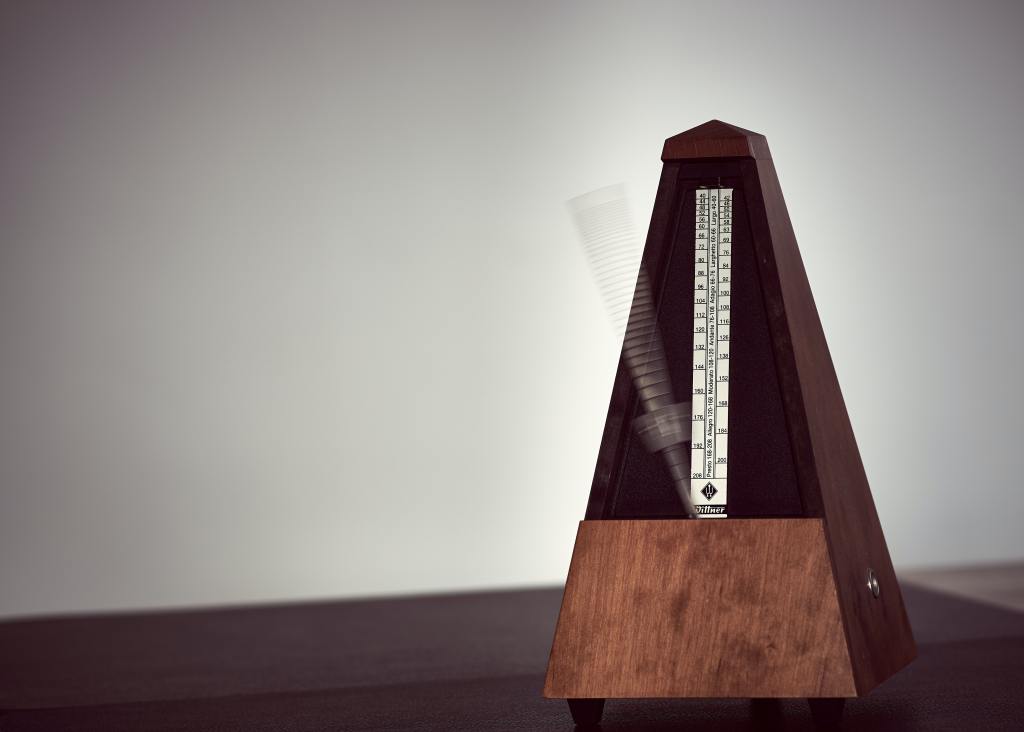
Time looks down on us, you and I from his foreign vantage point, in the vast expanse of sky – sprawling, spindly limbs, forever moving to the beat of his once-loved metronome.
He wishes he was us, you and I, to feel earthly pleasures: to kiss, to dance, to cry, and waits patiently for the day he will take us. Until then, let us play underneath this endless sky, never looking up – just you and I.
Sophie lives by the River Thames in London. She spends her 9-5 working in public policy, but spends her stolen moments reading dystopian sci-fi, poetry, working on her first novel – and dreaming.
(July 10, 2022) What if I let myself live in a world where the best case scenario was possible
(May 25, 2022) I’m not afraid of you I’m afraid of the ghost of my father who still lives
(October 19, 2021) Thoughts like barbed wire under the mud And there’ll be blood in the morning
It feels like dying. It feels like being born again.
(May 12, 2020) The secret is that people can only touch you when you’re hurt
(February 8, 2018) The truth is that I’m all messed up like you
(August 11, 2017) I guess he wanted a better son
(May 26, 2017) When I look at the lilacs all I see is how fast they’ll fade and the slow disintegration of beauty I do not want to touch anything that will touch me I do not want to watch things die
(May 5, 2017) They say living is resistance but I can feel my existence slipping from my fingers
(August 24, 2014) I don’t want to think About how to live without you but I guess I’m going to find out soon
Every year we fail to remember that March is still winter, a gift of cognition that makes us forget to be fearful of that first anachronistically warm sunny day, that makes us fail to believe the world could be any way other than how it is now. We forget, and so the snow returns to find us so unprepared, having exhumed shorts and tshirts from mothballed basement sarcophagi, betrayed by the instinct that decides the things that must remain peripheral to conscious understanding lest we begin to question the wisdom of reaching into the nothingness of the before and after and shaping what we find there into new life, the things that must remain unreal until they’re not, until it’s our Costco engulfed in flames during a holiday week. Our children, should we be so bold, won’t believe us when we tell them that March was ever winter.
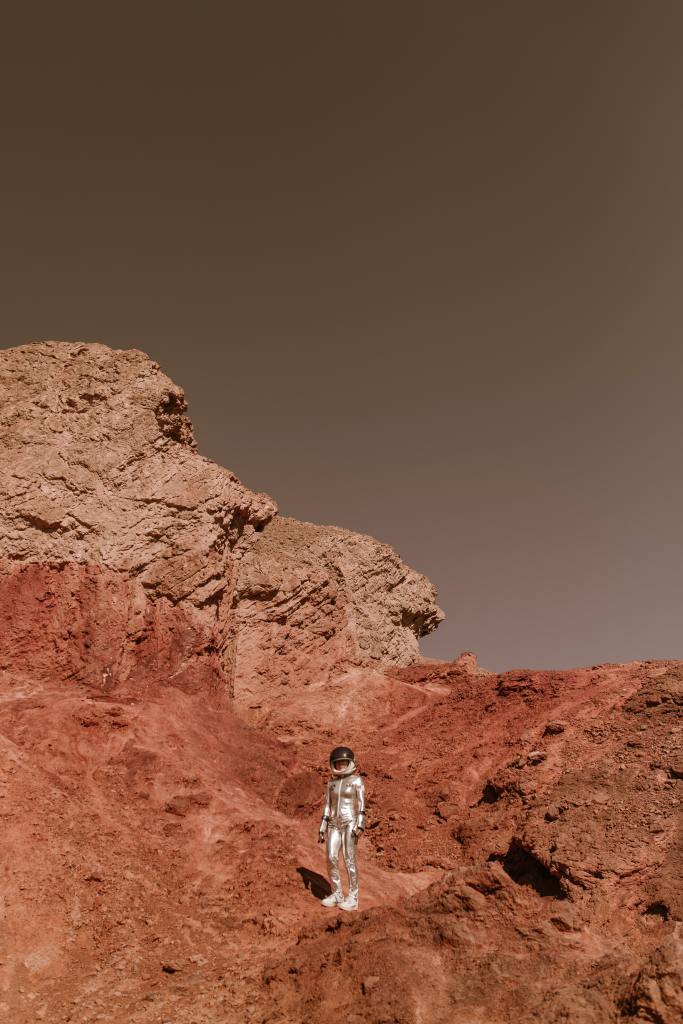
She found the ripped note in his old coat. The end of a message, it simply read in his usual scrawl: “Mars, if you can.”
She had never known her dad to be philosophical but there was a comfort in those words those days after his death. Why shoot for the moon?
No, you should shoot for Mars, if you can.
Those words became her mantra as she aced flight school and joined the Space Agency.
Twenty years earlier, in the recycling bin lay the rest of the discarded note.
“Can you get me some chocolate?”
“Mars, if you can.”
Max Turner is a gay trans man, he writes speculative and science fiction, fantasy furry fiction, many sub-genres of horror and LGBTQ+ romance and erotica and combinations thereof. www.maxturneruk.com
The fluorescent lights buzz like a fly trapped in the empty promise of a glass window. The bzzz echoes through Thumb’s skull as he pushes greasy burgers across the grill on his graveyard shift, as he collects crumpled bills from the fingers of the customers, as he mops and mops and mops the eternally sticky floors.
97.5, the country oldies station, crackles through the Waffle House speakers from 10 PM to 6 AM and after, probably, but Thumb has never worked a day shift. Maybe the place crawls out from under the long, dark shadows during the day, but from 10 to 6 it more closely resembles an abandoned amusement park or a small town bus stop late at night: spooky, silent, empty as a tomb. Except a tomb shouldn’t be empty, should it, and neither should an amusement park or the breakfast joint where Thumb spends every weeknight.
It’s not clean. Thumb wouldn’t eat here. Flies and grime collect in the window sills, which look like they’ve never been dusted. The bathroom almost never has toilet paper. When he’s working, he wipes down tables, he scrapes the grill, but he does not go much above the bare minimum, even though the unkempt appearance makes his skin crawl. He prefers tidy, everything in its place, but he doesn’t want to attract attention to himself, good or bad.
The bell above the smudged glass door dings open. A man and a woman walk through and take the booth furthest from the register. They look like they’ve been driving all night, maybe the night before, too. The man is dark haired, so pale he’s almost translucent, purple circles like plum colored bruises beneath his eyes. He’s wearing scrubs but he doesn’t look like any doctor Thumb’s ever seen. The woman has bleached blonde hair that she’s twisted on top of her head and little pieces frizz out like a halo. Her eyes look empty and there’s a hole in the shoulder of her thin red shirt.
Thumb sighs, collects his grease stained order pad, and walks over to their table. His limp is always worse at the end of the night and it’s nearing four. He feels their eyes on his bum leg and he resents their gaze. He knows how he looks: a bit broken. His stocky frame and short stature make him look vulnerable. He’s considered tattoos but he likes being unidentifiable, a chameleon. He can be a clean cut young man in a suit and tie. He can be frightening, a sharp glint in his eye.
Coffee? Thumb asks when he reaches their table.
They nod.
Thumb nods back. Ready to order or need a minute.
It’s his mantra. It’s not even a question. He finds that if he says it flatly, a statement, readytoorderorneedaminute, people are more likely to go ahead and tell him what they want.
“All star special,” says the man who looks closer to dead than alive, in Thumb’s expert opinion.
“Bacon or sausage?”
“Bacon. And I want the eggs crisp.”
“You?” Thumb says to the woman. Up close, Thumb sees that she has green eyes.
“I’ll do an omelet,” she says. “Please.”
“What kind?”
She closes her eyes like she cannot possibly muster enough energy to make another decision. Whatever kind most people order, she says.
“Hashbrowns?” Thumb asks.
“Sure.”
“In the ring?”
“Sure,” she says again.
Thumb doesn’t like her tone. Not hard to tell when someone is talking down to you. But there is something about her. Those green eyes. He wants to stand there, in front of her, and ask her inane questions until his shift is mercifully over and he can go home and go to bed.
Thumb retreats behind the counter to the grill. Omelet, eggs, hashbrowns. He gets the edges crispy brown but not burnt. He’s good at this. He loads the hot plates onto his arms, returns to their booth. They’re hunched over their table, talking in hushed voices. She has a canvas tote bag on her lap. Thumb traces the outline of something stacked, crisp in the bag, with his eyes. His fingers twitch. It’s money. She is holding a tote bag with stacks of green bills rubber banded together in her lap. He can’t see inside the bag, but he knows. He is never wrong about this sort of thing. He isn’t surprised. He took this job to avoid trouble but it always seems to find him.
She notices him eyeing her bag and shifts her body away from him, just slightly. He sets their food down in front of them and backs away quickly. He doesn’t want trouble but the thing is. The thing is. Stacks and stacks of money would solve a lot of problems. He wished he knew how much was in the bag. Fifty thousand? Ten thousand? Would it be worth it, what he wanted to do, had done before, was capable of doing?
The clock reads five and the couple is still sitting at the table. They’re whispering, voices like static, indecipherable and irritating, and this bothers Thumb. He wants to be in on the scheme, he wants to be part of it, too. But mostly he wants them to leave so he can go home at 6 AM and shut his eyes and forget about the stacks of money pressing against the fabric of that tote bag, almost erotic.
“Hey. Can I get some more coffee?”
It’s the girl. Her voice is raspy and he can’t tell if it’s from lack of sleep or love of cigarettes or just how she speaks.
He picks up the pot of coffee with the orange handle that indicates decaf and carries it over. He likes playing little tricks like this.
He pours the thick black coffee into her mug wordlessly.
“Thanks.”
Thumb nods, returns the coffee to its machine, and leans against the counter behind the register. Maybe if they notice him standing here, they’ll take the hint. The tote bag is beneath the table now, between the girl’s feet which are clad in ugly brown clogs like something a nurse would wear.
He needs to take a piss and he needs to get away from the temptation of that bag of money. Thumb unties his apron and pushes into the bathroom which smells like bleach. He considers himself in the mirror. He looks tired. Not as tired as the girl with the money on the other side of the door, but tired. Much older than his thirty years. His dark hair looks slept on, rough. His stubble masks the scar on his cheek, the crescent like a dimple inflicted on him. He splashes tap water on his face and tries to make a decision. Will he, won’t he? He could start a fire, grab the money, hit the road and never turn back. He could clear their plates, bring them a check, let it go.
Thumb hears a knock on the door.
“Just a minute,” he says.
“Let me in.”
It’s the girl.
Thumb, curious, unlocks the door. She pushes the door open, walks in the bathroom, pulls it closed behind her. She does not have the bag of money. Thumb wonders where it is.
“You disappeared,” she whispers.
Thumb’s back pressed against the sink. This was an amateur move, he thinks, every cell of his body vibrates with regret, never trap yourself, never get yourself in a room that you can’t escape from, when the girl with the green eyes hooks a finger onto the collar of his shirt.
His thoughts stop running. For a second, it’s quiet. He’s safe from the buzz of the lights and the sticky counters. She pulls him towards her, or maybe she pushes herself towards him, and suddenly it is hands in hair, hands on hips. She bites his bottom lip and he pulls her closer to him. Closer.
Five minutes or an hour or his entire life, he isn’t sure how much time passes and doesn’t care, she pulls back.
“I know it was decaf, asshole,” she says, but smiles. She turns, slips through the door, and Thumb is alone again. The door closes quietly behind her.
I feel for him and I feel like him. There was nothing he could say. I feel so sorry for the man. And how he lost his friend. There was nothing he could do. You could see it in his eyes. His hair looked grayer. He became what he felt. He became grief. And death. Death permeated his cells. Decay withered his bloodstream. Narrowed his tubes. Frightened his nerves. But gave him something to fear. Don’t go near the water. The pool’s too deep on that end. What did you expect? Spark spark steel wool battery spark. Fire spark light spark love spark feeling. It’s love. That’s what the music carried. Love is a horse and love is a rider. Love needs love to carry on. In the rain in the storm. In the tempest tossed and torn. Love moves on and leaves you. Carries on with a new lover. Love needs a lover. Love needs an affair. Love needs something. Autumn in the air. Piper pied piper. Rats running rats falling. Pied piper pied runner. Peter pickle pumpkin piper. Demand that I interpret my everyday mundane through crayon-colored raindrops. I would happily meet those demands. Because I dream in gray cloudy gray. Maybe black and white. I know what hues are in my dreams. But I can’t see them even though I’m saying them in my head. Song love love logic song love love means. Ends means ends love love ends. Love ends actually. Never. Love continues after death. During death. And before. Especially before. When the mind and body work in tandem to show it in the eyes of those wayward strangers. Needing food needing water. Needing shelter needing song. Song you are my diet pill that replaces all of those things. Fortify me like morning cereal. Song fill my bars with your bones. Do battle with the air. Do battle with the atoms. Force them and bend them. If you know you’re feeding love then you know they will thank you. Don’t ask just play. Don’t ask just speak. Speak your words speak your poems. Just like he did. Love him love his music. Love his song music love. And continue his song. In the loving air. Today. Play it.
Nicholas Barnes earned a Bachelor of Arts in English at Southern Oregon University. He enjoys music, museums, movie theaters, and rain. His least favorite season is summer. @ColesWordsPoet.
In moonlight Black boys look Blue Touched by Mothers soft glow We are luminous But this retrograde Got this blue boy all types of confused Because things that came easy Aren’t clicking the same And my person Not feeling her status is more than name So this Blue boy tries to give Mama Moon her glow back Because I don’t want to be Blue anymore I need my Sunshine to cover this skin I need her smile I need her warmth Blue too cold






 Unstamatic