
Lisa is a freelance writer and amateur photographer. Though she’s generally a spectator rather than a participant on social media, you can sometimes find her on Twitter and Instagram @dolphy_jane
Lisa is a freelance writer and amateur photographer. Though she’s generally a spectator rather than a participant on social media, you can sometimes find her on Twitter and Instagram @dolphy_jane
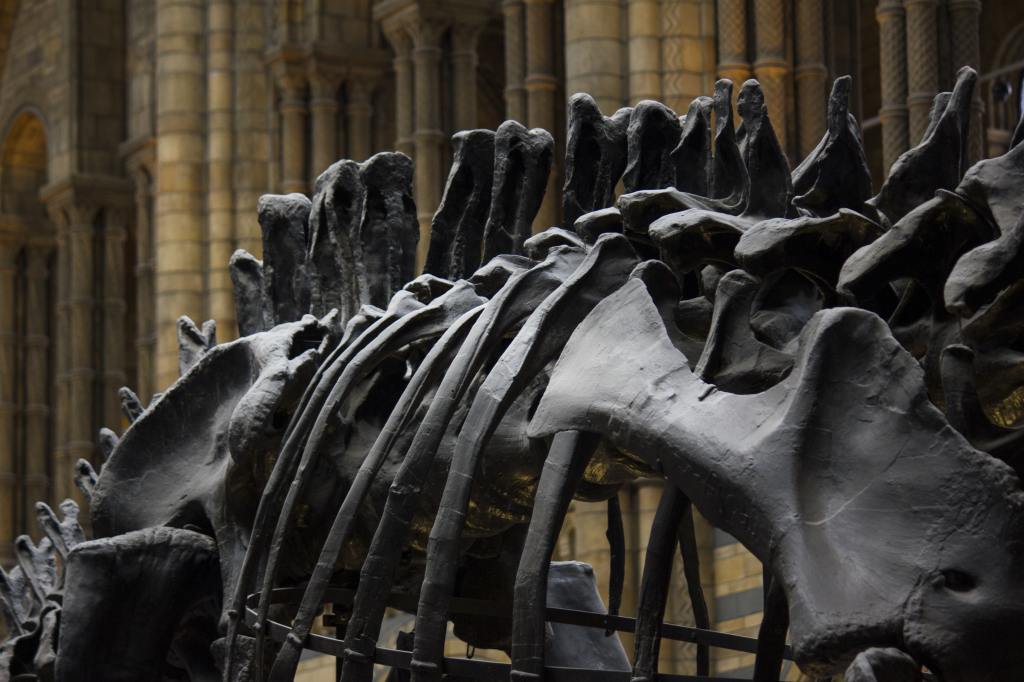
Rum, Gin, hallelujah.
If only it helped with the notes on the ichthyosaur, ey dad?
A trip to the New Walk and quick swig behind the aragonite.
A little tipple in front of the Plesiosaur.
Don’t think George can’t see you dad,
He’s a sauropod dad; he’s got a good view on everything.
Some say that the ice age helped George’s kind off the planet.
If only you could see that something similar is coming your way.
Pneumonia aged fifty-five.
A poem from a son about his alcoholic father visiting the museum in Leicester. (Inspired by an old friend and his dad) @jonnyd400 – Twitter
clouds dim in the lake
like my irises—insignificant—
and i don’t know how to live
without an ethereal countryside
to cloak myself. strip me
of an identity, and i will beg
you to call me by my name.
tommy blake (he/they) is the author of lacuna, Trick Mirror or Your Computer Screen, and others. His full-length collection is debuting with Bullshit Lit in 2023. Find them on Twitter: @rachaelapoet.

The pain wracked his body. Sharp and hot, the claws of a vicious cat raking his face.
Feel the pain, child! It is the price you pay for your wickedness. Pain cleanses, pain is penance.
The minutes crawled by as the searing needle bit into his cheek.
Tell me child, how often do you have these unnatural thoughts? How long since you last gave in to them?
Another scratch, ink staining his skin. He wanted to scream, to cry. He would endure. Unlike the therapy, the tattoo was his kintsugi. Pain embraced, not inflicted. “I’m here, unbowed, unbroken”, it said.
B Pichotka (he/him) is an unashamedly queer educator by day, and a writer of fiction by night. A German transplant living in Scotland, he has been involved in Queer rights activism since 1999.
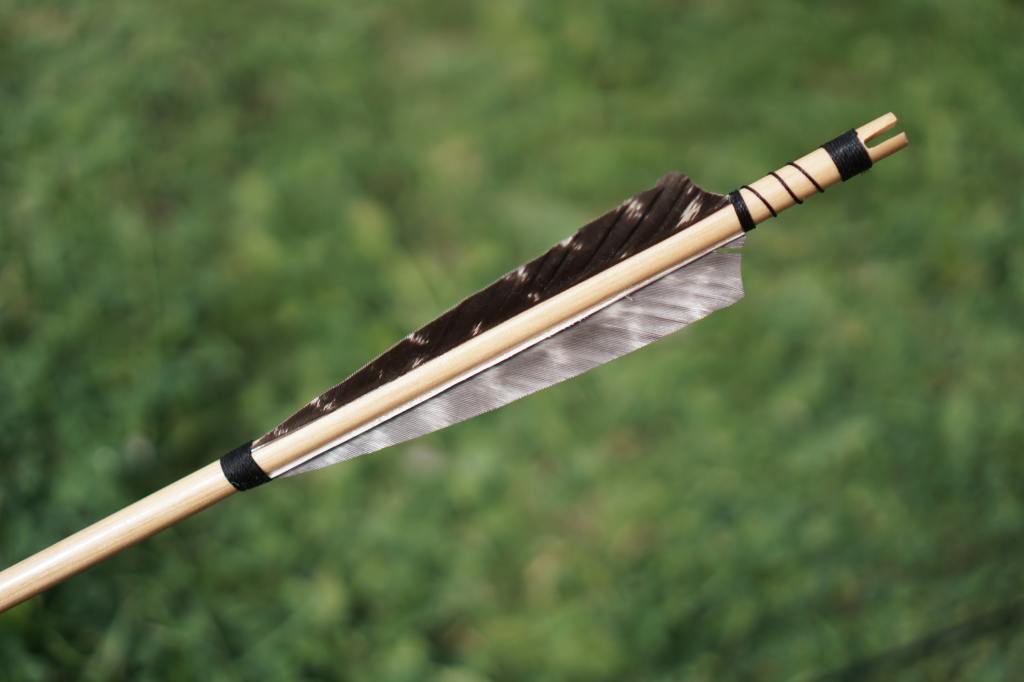
The elven lord holstered his bow and called me by my by my great-grandfather’s name.
He stopped scanning the horizon long enough to look me up and down, taking in my
injuries.
“It’s good to see you again, Jameson,” he said. “It has been too long.”
Well, Grandad Jim did always brag that his father had fought with the elves.
“That was my great-grandfather, asshat. He died eighty years ago. Have you elves
heard of calendars?”
Mahmud El Sayed is a British-Egyptian based in London. Tweet him @mahmud0elsayed
Scene 1
Fire crackling. Crickets singing. An owl hoots, and there is the sound of meat sizzling on the fire. There’s a pop, and the sound of someone chewing. Footsteps on the forest floor. A twig cracks, and there’s silence for a few moments. All noise but the crackle of the fire stops.
Paladin
Are you here to avenge your husband?
WIFE
Is that only what is right?
Paladin
‘Right’ is subjective. In my mind, I was ‘right’ to kill him. If in your mind, it is ‘right’ to kill me, well, it’s only ‘right’ for me to want to live.
Wife
Draw your sword.
There is the ringing sound of a sword being drawn, and then a swish as the Paladin cuts it through the forest floor.
Paladin
You don’t have to do this.
Wife
I loved him. Do you even know what that means?
Paladin
I can’t say I do. So I can’t say that I truly care.
There is a clash of swords, and Wife grunts. Another clash, and the fight begins. It’s slow paced, not fast at all, with heavy pants and the sound of muffled sobs. About two minutes.
Wife
WHY DID YOU KILL HIM?! HE CHANGED!
Paladin
A Drifter never changes.
There’s a slick sound as the Paladin runs her through, and Wife makes a choked sound. the Paladin steps closer, her feet crunching in the ground, and there’s a wet cough.
Paladin
We’re all monsters.
There’s a thump as the Paladin lets her body drop to the ground, and then a quiet sigh.
Paladin
Why did you have to do unnecessary things?
There’s a grunt of effort as the Paladin lifts Wife up and starts walking, her steps heavier in the loam. Footsteps continue for a while, and the sound of crickets gets louder. After about thirty seconds of this, we hear a thump as the Paladin drops the body on the ground, and then the sound of a shovel hitting the dirt and digging. A cow moos in the background, placing them at a farm, and we’re just going to gloss over how close the Paladin was to the farm because I can’t do twenty straight minutes of walking. The digging continues for a while, about one minute.
Paladin
May the Owl watch over your rest.
The digging continues again, and then there’s the sound of the Paladin sitting down.
Paladin
My meat is probably burned now. Why did you have to interrupt my dinner?
A hiss, and the Paladin is silent. The hiss grows louder, and then the Paladin sighs.
Paladin
Where did you come from?
END SCENE 1
(Editor’s Note: This piece continues, but due to size constraints, we must include the rest as downloadable attachment. We do hope you continue to read.)
Hello, my name is Minty Lee, and I’m a writer hailing from Arizona. This is half of an audio drama I got talked into making by my friends. My twitters are sensibleshroom and tsumsaudiodrama.

“Do you want me to hurt him?”
Cyrille may as well have been drowning, and those words felt like they were coming from some far off shore. He’d thought he was alone in the library.
“Your brother,” Lisianthus elaborated, crouching down beside him. “The way you ran out of here when you got the letter he was coming to visit…when he gets here, do you want me to hurt him?”
According to gardeners, the Lisianthus flower had the aesthetic appeal of a rose, just without the thorns. Maybe the same could be said of Lisi by someone who didn’t know him well enough to see how wrong that was. With long pink hair and clashing magenta-gold eyes, he looked like the flower he was named for: soft, delicate perhaps, a creature to be picked, a safe choice for anyone looking to get close to the most powerful magic family on the east coast.
In the short time they’d been married, Cyrille knew better. Lisi wasn’t some thornless rose, he was the thorns. Get too close too fast and you’d find yourself impaled like some would-be hero outside Sleeping Beauty’s castle, never to be seen again.
After all, what were all those old legends of the fae ensnaring humans, luring them away to hell-knows-where?
But there was one thing that terrified Cyrille more than the fae with all their subtle magic of glamor and manipulation. It was the only thing worse than this loveless marriage, arranged by his family in hopes of earning the favor of the Larkspur family, who’d carved out their own little empire with all the brutal power and deadly precision of a mob family. After all, with a glance and a flick of their wrists, they could walk you into traffic and you’d die thinking it was your idea to stroll perpendicular across the highway.
If forced to choose between his brother and Lisi, Cyrille would’ve let Lisi lead him into the woods behind the Larkspurs’ beautiful old mansion and bury him beneath the moss and Oleander bushes. Not because he wanted to die, not necessarily anyway, but because he’d finally be safe.
Safe was a luxury he’d so long thought he’d only get in death.
“Yes.”
“Cyrille!”
It was human superstition not to give the fae your name, but lately he’d fallen in love with the sound of it in his husband’s voice. Lisi never said it the way his family did, like Cyrille was a swear, invoking the curse of his very existence. When Lisi called for him, it made his name sound something close to holy. “Cyrille, could you drag the potting soil over here?” He sat half in the shade in the part of the garden that bordered on the woods, digging through the flowerbeds.
“I know I shouldn’t be surprised you like gardening as much as you do,” Cyrille said, hefting the soil bag with ease, “But it’s still strange to see you with dirt under your nails.”
“Not known for getting my hands dirty, hmm?” Lisi mused with a smile. Cyrille didn’t answer, in fact he’d barely heard the question once he actually took a good look at the patch of earth Lisi was tending.
“Lisi, is that…?” It could’ve been a knot of old roots or the bones of a human hand, it could’ve been a number of things but Lisi shoved a flower into the hole in the dirt before he could stare.
“A mess of my flowerbeds? It is indeed! Must’ve been squirrels trying to store shit for the winter, we get a ton of critters out in these woods.”
“Anything I need to be worried about?” Cyrille asked.
Lisi fixed him with that terrible, perfect smile, the one only a fool would look at and see anything other than thorns ready to burrow and rend at the slightest provocation against those Lisi loved. It was a terrifyingly placid expression that made Lisi look like the fae princes of legend: horrifying in their ease and charm. Ask him a year ago, when they were first married, and Cyrille would say that wicked smile was the second most terrifying thing in the entire world, that he’d sooner be dead than think of it as home.
But now?
He sat down beside his husband in the grass, wrapping his arms around Lisi and nuzzling his neck as Lisi said oh so softly: “Not anymore.”
Alice Scott (She/They) is a queer short story author/indie bookseller who may or may not be a ferret turned human by a kiss from a handsome prince. Follow them on Twitter @Allyscottauthor for more

Let’s talk, you and me.
You want more out of life, no? Aren’t you bored, sitting there on your computer, or on the shitter, mindlessly clicking through this website? Don’t start— I’m sure you think it’s mindful, after all, literature is art, and you consume art mindfully, yes?
You probably found this with the “randomize” button, didn’t you? Christ alive.
The title was what got you interested, wasn’t it—? Or maybe you just clicked away the second you saw it, sure that this was some sort of joke coasting on the unconditional acceptance, getting you to read whatever schlock I decided to waste your time with. In that case, I wonder why I’m even talking to you. Call it psychosis, maybe?
The doctors said I’m psychotic. But those doctors also said a whole slew of crock-bullshit about a lot of things. They thought inviting my mom in for group therapy was a good idea, for Christ’s sake! I swear to god, she’s got dementia or some shit. Whatever. A part of me hopes she never gets it, so when she’s old and decrepit, I can be her legal guardian, and put her through the same Hell she put me through. I want her to remember why I’m doing it— although, I doubt she’d ever grasp it, even in her current state.
But that’s enough about me. We’re here to talk about you.
An enticing offer at the start, no? Don’t worry, I’m not gonna whisk you away to some commune in the woods and make you drink arsenic or whatever that idiot Jones did.
Or maybe it’s not an enticing offer. Maybe you think I’m a loon and you’re just sticking around to see where this goes— what bullshit I’ll spew, what totally-not-a-cult I’m enticing you to join.
Well, I’m not.
Why would I want to share? I’m only here to talk about an unfortunate ailment plaguing my life:
My tulpa is depressed.
I’ll let you decide if I’m bluffing or not.
A tulpa. What a novel concept. A thoughtform that is constructed in such a way that it achieves sentience. Is that an idea one could ever reconcile with existing?
Never mind what you think, though. Because the truth of the matter is my tulpa— kind of, is depressed— kind of.
At night we intertwined into one another as I cried out silently to a deaf world, a vague plea that sounded like a generic wail one makes when crying. But it’s not me; an expression of agony such as this was never me; tears streaking down my face as I don’t want to remember! I want to forget! repeated on loop in my mind.
You think I’m posturing, don’t you?
I hate to disappoint— the tulpa is real.
But. I agree, it does sound like posturing. As if the “tulpa” is a metaphor for my subconscious, a fantastical way for my inner desires to be revealed in a fun little essay.
The tulpa is a metaphor for a tulpa, and this whole thing is a metaphor for nothing.
The doctors said I’m psychotic. But not because of the tulpa.
I was paranoid, is all. Just paranoid. “Just” paranoid.
I had plenty reason to be. I read my mother’s texts, I knew she was planning to bug my computer. I saw it with my own two eyes, and my father? My father is getting a PhD in computer science. He’d have the know-how to bug my computer and hide it so well I’d never find it.
But oh well! I have something he’ll never find— he’ll never know the two times I lashed out at him, it wasn’t me.
I’ve lashed out before, lashed out worse, but these two times were special. And it was a different tulpa. It’s like cats, you know. Or guinea pigs. You can’t have just one; it’ll get lonely when you’re not around to talk to it. Best to give it a friend to keep it company. And, if you have the space, multiple friends.
Of course, the well-minded of you are coming to an obvious conclusion. You’ve read the DSM. Talked to someone who disassociates. Was on the highway and the car tailgating you had been in the vicinity of a mentally ill person. Surely you’re qualified to diagnose me.
Surely you know I’m telling the truth!
This is a website for stories— at the end of the day, this could all be fiction. Just one speck in a slush pile; just one bored writer ranting on about tulpas and paranoia and cults.
Between you and me— they’re not tulpas.
They’re something else entirely, still of spiritual origin, but a bit harder to explain. I’d wax on and on about multiverse theory and the fourth dimension, but I’ve got a reputation to preserve! This could all be fiction, yes, but it could all be true— you have no way of knowing, and who knows? Perhaps your motives are disingenuous. Perhaps you’ve already got your argument at the ready, a twenty-Tweet soliloquy on how I should be completely and utterly deplatformed for my crime of being the slightest bit too weird. Or perhaps I’m doing something wrong here, after all, tulpas are a Buddhist concept, and as far as you know, I’m not Buddhist, and as far as you know, they would be quite mad at me if they ever found out.
Not that they would. And not like they’re tulpas, anyway.
He’s sad, is the crux of it. He yearns for a home he can never go back to, for the embrace of a man who will never embrace him back.
(As far as he knows.)
His thoughts intertwine with mine, and for a second I’m in a bed much larger than my own— pressed sheets barely disturbed by a light, slender frame, wails softly echoing around a large room and ricocheting off a floor-to-ceiling window overlooking a city I’ve never been to.
It lasts for just that long— a second— and then I’m freed from the torment of being him.
I have the luxury of blocking it all out, dooming him to wail in solitude.
I practice good un-tulpa husbandry, with wide open spaces and tons of little friends, tulpas and un-tulpas alike, for him to frolic and play with. It’s not my fault he chooses to hole up in an apartment! He’s a big boy, he can make his own choices in life.
Do you want to be a god?
Don’t lie to me. It does sound enticing, to most people, even for a second. To have complete power over anything and everything that comes your way, to ensure your own safety, to be revered and powerful and have all of existence at your fingertips— who wouldn’t be tempted, even for a second?
I may be a bit psychotic, but I’m not disassociative. I collect new friends on my own volition. They have no control over my body unless I grant it— and once granted, it can be revoked. They have lives and memories I am unaware of, and some of them can go back to where they came from if need be.
He— he has no way of going back. The soul is intact, and with me, but the body— the body is twisted and mangled, broken in a way a body should never be; cold to the touch before I was ever aware of his presence. But his origin is out of my jurisdiction— I would love to reach across dimensional barriers to gently piece his body back together and deposit him right into that too-big bed of his, if only to stop the wailing.
But I can’t.
I am a god in a bubble, confined to un-tulpas and un-tulpas only.
(There are tulpas. They aren’t mine.)
I poke at him. It’s interesting to see what makes him wail. Invigorating to live through his sorrow.
Does this make me as bad as him?
Does it make me worse?
He at least has the decency to have a little Catholic guilt about the whole matter— he thinks of himself as fundamentally unlovable, which is a real bummer, because we’re quite alike, and I think I’m plenty lovable.
Ah, this was supposed to be about you, wasn’t it? I’m sorry. I got a bit carried away— the burden of being a narcissist, no? You truly can never stop fucking talking about yourself.
He’s been watching me write this. There’s a pit in my heart that’s part mine, part his.
Mostly his.
Do yourself a favor: forget about me, and Gods and tulpas and wails for the lost. Go hit “randomize” again, and read something else on the shitter. Lose yourself in something you know to either be strange fiction or a safe reality. Don’t busy yourself with the maddening ordeal of deciding wether or not this is strange reality or safe fiction— you’ll become psychotic, just like I am. You won’t forget, regardless— so why try?
You don’t want to be God, anyway. I do, and even if I don’t, I’m stuck here, so I might as well make the best of it. You, however— you have a say in the matter, that is, if all of this were true. Which it might not be.
To be God is to see all. To be God is to feel the unending suffering of someone you chose to preside over. To be God is to turn away regardless.
PEEKTEA may or may not be clinically insane; that’s for them to know and you to find out. Psychoanalyze their tweets @PEEKTEA.

But now we wait. We went to parties and drank and danced, then we went home, we kissed, made love, and we’d pretend it’d be easy, to find love, because we knew how to make love out of nothing, we knew how to cook love and make it smell nice, like it’s the real thing, for we used to make things happen.
But now we wait. Things still happen, only we don’t make them, don’t urge them, don’t force them. Things till happen, but they’re not made up, blackmailed, imagined. We fall in love and we fall slowly, we wait for love, to grow, to bloom, and things still happen but happen slowly, and we find love, we find true love, through hardships, and we know now that when things happen, things also collapse and people vanish.
We used to make things happen, but we’ve grown old now. Things still happen, but we’ve grown so old, we wish they didn’t, we fear each time things happen, and we want to keep rolling, like this road never ends, like we can keep on moving forever, always staying afloat, alive, waiting for things to not happen, for this walk to not end.
Mileva Anastasiadou is a neurologist, from Athens, Greece and the author of “We Fade With Time” by Alien Buddha Press. You can find her on twitter: @happymil_

With the excitement of SurpRise Day approaching, we should remember there is more to the holiday than presents and a day off work. It is a day to honor the dead or rather, not-so-dead, and the historic Rising that forever changed our lives.
The undead, or Zombies as many lovingly joke, came in droves at the start of the decade and soon every town was overrun with these new citizens.
“I always thought the Apocalypse would be more disasters and death,” recounts Mary Higgins, who was one of the first to report on the Rising. “At first, I thought it was extras from a movie or something. It wasn’t until I saw one of them lose an arm that I realized it was real.”
Initial response by many believed the dead rising was a sign of the rapture, but it became quickly apparent the zombies simply wanted nothing more than to make the best of their second chance at life.
“When the undead appeared, we truly expected the worst,” says Dr. Stephen Gladwell, professor at Princeton University and Nobel Peace Winner for his work with the Dead Integration Project. “What we had not expected was that not only were our undead loved ones exceptionally cheerful, but they were more than willing to reintegrate back into society.”
“I always hated Frank,” Margarite Wilkinson of Benton County noted of her late husband. “But since he’s returned, he’s been a perfect gentleman. He does all the chores without being asked, never complains when we entertain guests, and even fixed the gutters. Dinner consists of more raw meat than before, but it’s a small price to pay.”
Wilkinson is not alone in this revelation. Reports from across the country of reunited spouses and family were amazed at the new dispositions of their late relatives. Many accounts of the day the zombies arrived include the deceased breaking the tension with a knock-knock joke.
Opponents of the Rising stated this influx of bodies would create massive infrastructure issues from overcrowding. Jon De Palo, the founder of Putting the Undead Back in Crypts, or PUBIC, was starkly opposed to reinstating the undead into society. “We were sure so many new bodies would be nothing but trouble,” remembers De Palo. “Most cities already struggled with overcrowding. You can imagine the panic we faced at the thought of more people, dead or not.”
But as De Palo and many other anti-zombie groups quickly realized, the benefits of our returned loved ones greatly outweighed the cons. By the following year after the Rising, zombie labor was being utilized all around the world. Needing no breaks and unaffected by the occasional impalement, the undead became a staple in construction and other projects deemed unsafe for the living.
Zelda Maas saw the opportunity early and began the Undead Union, which now oversees almost 80% of the zombie workforce. “It’s been a godsend for so many companies,” said Maas. “The Undead don’t sleep so projects are being completed in a quarter of the time it used to take”.
The evidence of this is clear. Renovation projects in places such as Detroit, Baltimore, and Jacksonville have turned these towns into sprawling metropolises. High speed railroads now connect every major city, with more currently in progress. With the return of humanity’s greatest minds, many diseases such as AIDS, diabetes, and restless leg syndrome have been eradicated. Zombie Louis Pasteur claims he is on track for a cure for the common cold, while Zombie Michael Faraday has created a true hover car which will be available for purchase next year.
Of the many monumental impacts in the last decade, one of note is the dissolving of the United Nations and subsequent creation of the Undead Utopian United Homeland, or UUUH. The newly acquired attitudes of the undead did not end with their high spirits and affinity for puns. It was quickly discovered that Zombies opposed separate countries and preferred a global nation. By the fifth year of the Rising, most electoral positions had been won by the undead. All dictatorships had been eradicated when the slain leaders had revived with a perky disposition and strong feelings toward universal healthcare. It was shortly thereafter world peace ensued.
“It’s about togetherness,” explains Mandeep Singh, interpreter for the East Americas President, Zombie Washington. “When he addresses the people, we know every ‘uuuuuh’ and groan comes from his unbeating heart”.
There are still many hurdles to overcome in the future. A verdict is expected in the next year for Zombie v Oklahoma regarding inter-breathing marriage between the living and undead. Considering the entire Supreme Court is now filled with all undead judges, it is highly expected to pass.
Within the short span of ten years, it is clear the impact our undead friends have had. So, while we wish each other a Happy Burial and exchange gifts around holiday graves, we should also take the time to reflect on the vast progress that has been made and the rotting hands that made it possible.
Gabrielle Fernandez’s work has been published in SORTES Magazine and The Racket Journal. She loves scribbling stories on napkins and parking tickets. Gabrielle can be found on Twitter @GabbyFez
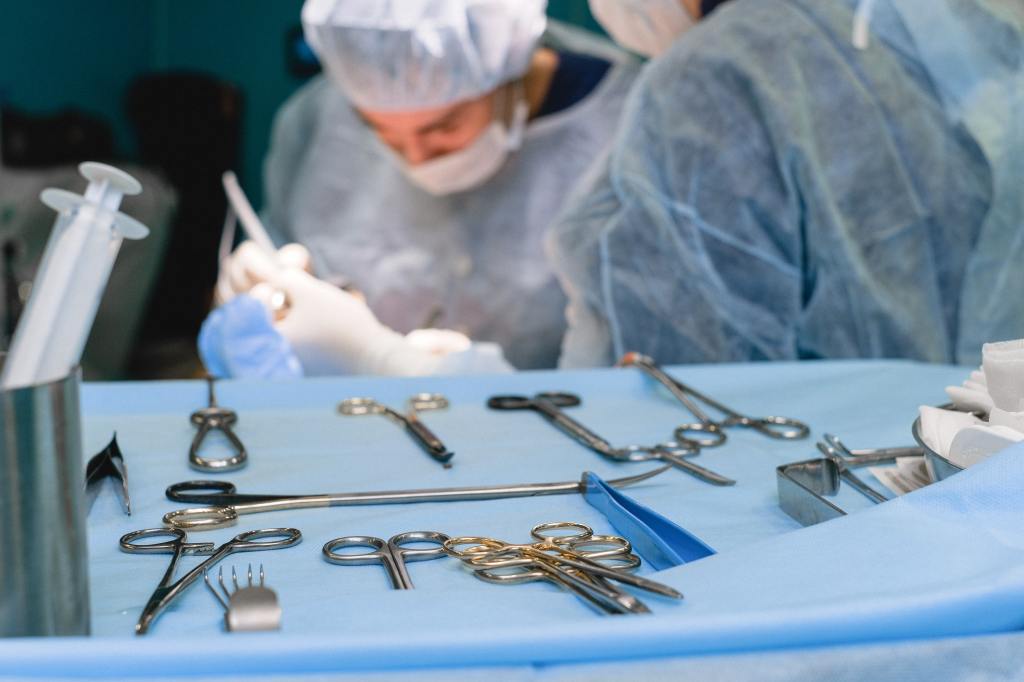
TAKEN, like Liam Neeson’s daughter
PLACED, the rue of a bronze medalist
INTRODUCED, like species invading
PLACED, as if a half-formed memory
GRASPED, like a prize in a claw machine
PLACED, as in papers please
TURNED, like a chess piece being born
INJECTED, as in your slight discomfort
USED, like an eraser destroying itself
USED, as in getting used to it
INSERTED, like newsprint solicitations
ELEVATED, as in untouchable coronation
CONFIRMED, like répondez s’il vous plaît
INSERTED, as malevolent thumb drive
CONFIRMED, like a credible witness
INSPECTED, as in emotion detector
PLACED, like bring back state housing
TURNED, as in rotisserie ballerina
INJECTED, like crows stampeding
USED, as in run out of stock
INTRODUCED, like a meet-ugly
INSPECTED, as if holding your breath
NOTED, like a workflow collapsing
FILLED, as in enamel erosion
DISSECTED, like a shredded coconut
IDENTIFIED, as in ko wai au?
DISSECTED, like a mirrored sliding door
OPENED, as in butterfly knife arcing
CAUTERIZED, like drainpipe desperation
LIGATED, as if a balloon dachshund
PLACED, like an unpaid intern
CAUTERIZED, as in you’re on brand
NOTED, like apologies and corrections
GRASPED, as if a bedside scarecrow
TENTED, like survival preparations
SEPARATED, as twins switched at death
REMOVED, like borders closing slowly
REMOVED, as in I’ll see myself out
SWITCHED, like the strike of a bough
INTRODUCED, as in my best curtsey
PLACED, as if a pin point dropping
ELEVATED, like glass ceilings rushing
REMOVED, as if secondhand sight
INSPECTED, like falling into line
OBSERVED, as Attenborough himself
PLACED, like an errant salad fork
CLOSED, as if renovations pending
RELEASED, like a compilation album
REMOVED, as in unboxing china
CLOSED, like barricades bracing
CLOSED, as if a self contained unit
REMOVED, like repetitive shifty thoughts
REMOVED, as in smiling once again
AWAKENED, like cheers to you, mate
AWAKENED, tihei mauri ora
Nicola Andrews (Māori, Pākehā) is a Ngāti Pāoa writer currently on Ramaytush Ohlone territory. Follow them as @maraebrarian, and in publications including bad apple, and Cordite Poetry Review.
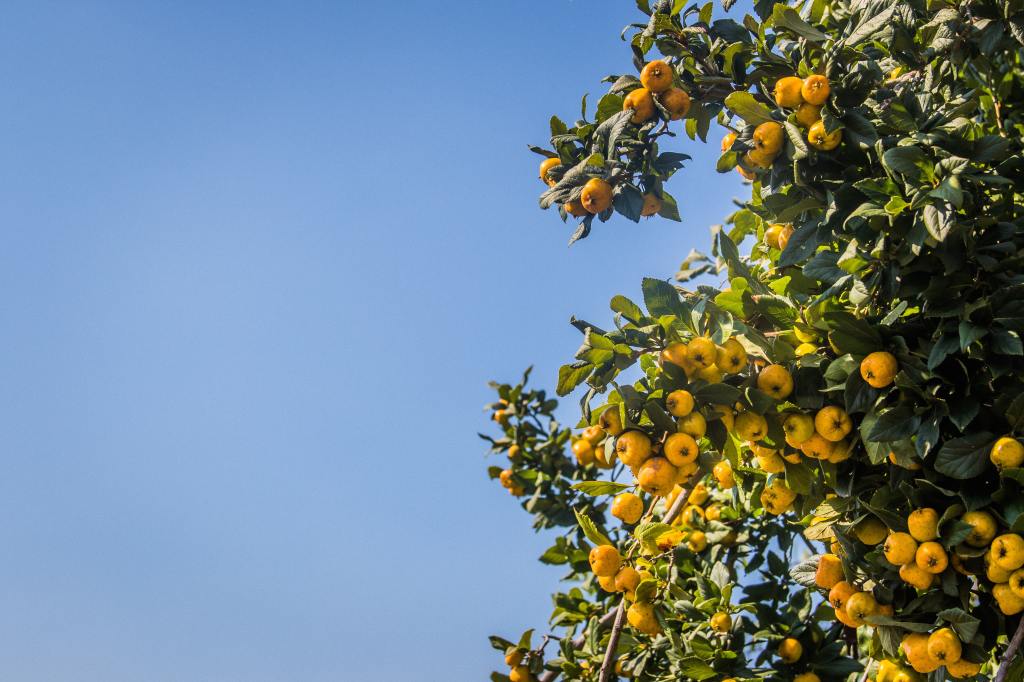
In summer, the Sasquatch met a Kumquat Orchardist moonbathing naked underneath the fragrant white blooms, messily gorging on a sandwich, the cheese dripping down her chin. A lover of sasquatch erotica and the romance in The Shape Of Water, she offered herself to the Sasquatch immediately.
They married, surrounded by ripe kumquats and paparazzi.
In winter, the Orchardist sought an annulment, claiming fraud: the Sasquatch was a human male on stilts in a fursuit.
In spring, an exposé appeared: the Orchardist wanted fame, the not-Sasquatch, the kumquat orchard; it was a sham marriage.
In summer, the orchard was replaced by a large crater.
Aboard the spaceship, as the orchard flourished and the fruit ripened, the not-Sasquatch shed its human skin. Out tumbled beings no bigger than the kumquats they began to feast upon.
Mugdhaa Ranade wakes up everyday hoping to find dry leaves to crunch underfoot, and stray cats to pet. She can be found in person in Mumbai, India, and online on Twitter @swxchhxnd.
 Unstamatic