There is a rotting in my house, and I can tell that it is me. It is slow, but the knowledge comes. It is that kid you knew, who was lax in showering, who was slow to deodorant, who would catch a whiff of himself and screw up his face and accuse someone around him of farting, the one who, later that day, in a burst of insight, you would catch trying to subtly smell himself, that look of realization and shame on his face when he realized. I wonder about those kids. I hope they figured it out, changed in such a way that they remained who they were, but adapted only as much as needed to avoid the barbs of our cruelty. I hope they found peace, though I imagine few did. Most doubled down on their isolation, bitter and alone, ignoring the things that made them beautiful in their embrace of ugliness; or else they contorted themselves into the shape that they were told they should be, finding how to fit in, joining the fraternal order of concessions and uniformity, chaffing inside of the normal-suit, unwilling to unzip it, even a little bit, in the worry that if they spilled out, they might never get back in.
I am an Assistant Professor of English at Clayton State University, the author of the novel, Mount Fugue, and If You Can, a collection of short stories.
Vishwa sat on his bedroom floor redecorating his Barbie dollhouse, which was as high as he was tall, rearranging the furniture—a velveteen sofa set paired with two side tables and the dining set piece. Grandma would be proud of his skills. She often said, “You can tell a lot about a person from the shoes they wear, and you can tell even more from how they keep their home.”
All Barbie wanted was a laid back summer break, and her home ought to reflect that.
“Just a little while now, Barbs,” he said to his friend who lay sunbathing by her backyard pool with Ken. “Neat,” he added, picking them up and walking them through the back entrance.
“Your house looks great, Barbs!” Ken said, jumping on his feet for some reason.
Barbie blushed, batting her long lashes. “Oh, thank you, Ken, you’re the sweetest.” Ken gave her a twirl and they briefly kissed. “Isn’t it beautiful?” she cooed, looking around.
“It can never as beautiful as you, sweetheart,” Ken said, making her blush again.
Vishwa smiled to himself, happy for his friends. “How about some TV?” he said, making them comfortable on the sofa that now faced a wall-mounted flatscreen.
Mother walked in carrying a set of his folded clothes. Vishwa looked up at her, and she smiled. “How are Barbie and Ken doing today?” she said.
“Pretty good,” Vishwa replied, unable to stop grinning and feeling giddy. “They’re having a great time watching TV. They also enjoy the new setup.”
“Oh yeah?” Mother said as she arranged his clothes in the wardrobe. “Well, let them watch TV. Let’s get you some lunch in the meantime.” She shut the wardrobe door and tilted her head to beckon him after her. Gathering her open hair, she rolled it into a bun and made a crude knot.
Vishwa keenly watched the back of her head, deciding that he’d later style Barbie’s hair in a similar way. Ken would like that, too.
As Vishwa followed Mother into the dining hall out of his bedroom, the door opposite his room creaked open and out stepped Father, rubbing his hands. “Something smells great!” he said, bearing a smile that looked incomplete. Usually, his smile cut prominent dimples, but they were visibly absent now. Vishwa had come to pick up on that to mean Father didn’t quite mean it.
Vishwa washed his hands in haste, sensing Father approaching closer. There were times he felt like Father loved him, but in moments like this, when he forced a smile and acted like someone he wasn’t, Vishwa couldn’t make sense of it. Drying his hands on the towel hanging by the sink, he turned to find Father staring into his room—at the dollhouse.
The look on his face said it all. The sealed lips, the flaring nostrils, the sharpness in his gaze when he panned it towards Vishwa; the latter was like he wasn’t looking at but through him. A wave of numbness washed over Vishwa as he stood under the burning spotlight of judgment. He swore Father even muttered something under his breath. Vishwa charted a wider path around him and hurried to the table. For a while, silence lingered as Mother set the table with steaming rice, fresh lentil soup, and skimmed buttermilk. Father helped her by fetching the eating plates and a jar of pickle, and refilling water.
Vishwa served himself some rice, and upon Mother’s insistence, scooped more onto his plate. Then came the lentil soup to be mixed with the rice.
“How’s it going buddy?” asked Father, tossing him a brief smile sans the dimples.
Father was mad. Taking a shallow breath, he said, “Good.” He swayed his legs that dangled from the chair. Mother forbade him from doing it, but it helped ease his twisting stomach.
Father cleared his throat. “Hema, isn’t there a cricket match today?”
Mother scoffed. “Yeah, but it’s a boring test match.”
“But it’s India versus Pakistan, correct?” Father said in an abnormally loud voice.
Mother frowned at him, chewing her food slowly. “Anyway, we have to do some grocery shopping today. Don’t forget that.”
Father looked at Vishwa again. “You’re coming too, right Vish?”
Vishwa looked from his plate to Mother and back. He knew Father was tough. He didn’t tolerate mischief or nonsense at any level, and Vishwa knew Father didn’t like him playing with dolls. He couldn’t understand why but considered he might as well spend time with his parents since Barbie and Ken would have to get some sleep now. He nodded, nibbling at his food.
#
Vishwa lingered after lunch. Normally, he’d be expected to clear his plate and wash it, but Mother had given him a pass today. “Go play, I’ll take care of this.” The softness in her tone from earlier in the bedroom was gone, and she didn’t meet his eyes while speaking, which was a sign that she was angry. The way she clattered the utensils in the kitchen sink only confirmed it.
And so, Vishwa didn’t skulk back into his room but hovered about in the hall pretending to drink water. He must’ve downed three glasses of it when he heard whispers from the kitchen. Vishwa stepped to the threshold and listened, hiding beside the massive refrigerator.
“What was that while eating?” Mother said in an icy voice.
“We’ve talked about this, Hema,” Father said. “He’s not a girl to play with dolls. I’d be fine if he played with toys like GI Joe or something, but dolls? Really? He’s not a baby anymore. What will happen if other boys see him play with dolls meant for girls?”
“Stop saying it like that,” Mother snapped.
Vishwa stared at the floor. Why was he feeling bad about playing with dolls? Weren’t they meant to be played with? Why was it so important that only girls play with them while boys watch cricket and football matches?
“He’s just seven years old, Gokul,” Mother continued. “Look at how happy he is when he plays with his dolls. Just let him get older; he’ll forget the dolls and turn his attention to whatever his friends are doing. This is just a phase, and you know it.”
“Your mother is to blame too, you know?” Father said.
“What is that supposed to mean?” Mother raised her voice a little.
Vishwa dipped his chin further. How could a topic so silly spawn a huge fight between his parents who loved each other so much? And why talk so badly about Grandma who’d only been kind to him, gifting new dolls and chocolates whenever she came visiting?
He slowly shook his head, clenching his fists, when Mother stormed out of the kitchen. She slowed upon seeing him and sighed. Vishwa looked up at her and curbed his urge to cry.
“You’re doing your grocery shopping by yourself,” she yelled into the kitchen. Tossing at Vishwa a warm smile, she took his hand and led him into his bedroom, shutting the door.
Vishwa perched at the edge of his bed, staring at the dollhouse, feeling the urge to break it apart. If not for Mother who ruffled his hair and hugged him sideways, he might’ve done it.
“That was nothing, okay?” she said, pinching his cheek. “Your father has had a rough day.”
If Father lied with the way he smiled, Mother lied with words. Vishwa said nothing.
“Come here.” Taking his hand, she led him to the dollhouse and picked up Barbie. “Hey Ken,” she said in a shrill voice. “I feel so bored. Let’s do something interesting.”
Vishwa stared at Mother as she passed him Ken and nodded invitingly.
He hesitantly took it and sighed. “I’m not in the mood, Barbs. Maybe another time.”
“Come on, Vishu, can’t you see how disappointed your friend is?” She held up Barbie in front of her face, facing him. “Do you really want to make her feel sad?”
“She might be a doll but to me she’s a human. Humans aren’t always happy.”
Mother set Barbie aside and cupped his cheeks. “True, but as a friend, it’s your duty to make her feel happy when she’s sad and could use a cheer.”
Vishwa fiddled with Ken before setting him by Barbie’s side. What if she wanted to be sad? “Maybe today they need to be in separate rooms, to be alone.”
“Are you sure?” Mother said. “Barbie will miss Ken so much.”
Vishwa nodded with a smile. In the silence, he heard Father gather the motorbike keys and then close the front door. Moments passed before his motorbike rumbled, fading away. “Papa is angry at me for this, right Mamma? I should stop, right?”
“He’ll be fine,” Mother said. “We’re going to be too busy to be bothered by his mood.”
Vishwa arched his brows, puzzled. “Busy doing what?”
“I’ve got a surprise for Barbie and Ken,” Mother whispered, her eyes wide with excitement. “I’m going to build a ship just for them to go on a vacation. You want to help design it?”
The only thing Vishwa loved more than playing with dolls was building a ship out of a cardboard shoebox. Adding decks by gluing scraps of cardboard to the insides of the empty box and fitting different Lego items and accessories salvaged from other collections of toys he already had, the ship’s interior would be finished. Then, replacing the box’s top and using smaller bits of cardboard boxes to act as the superstructure, he’d place more stray toys within.
This time, Mother added her magic, attaching bobby pins and bobbins from her embroidery kit to act as lifeboat pulleys and cranes. Fetching paint, they split the task of painting the hull and the superstructure in a palette of metallic black, wooden brown, cement gray, and a flourish of sunrise gold for accenting the doorway and window lintels Vishwa had cut into the cardboard.
“What would be its name?” she asked when the hull was all painted.
Vishwa considered it. “BMR Willows. BMR is Barbie’s name, and she’s from Willow.”
“BMR Willows, it is,” Mother said, carefully painting the letters against the black hull in white. “There! I think we’re done. Now, let the paint dry.”
In the next fifteen minutes, they established their base of operations in the bathroom where Mother gathered a wide-mouthed tub she often used to rinse soiled clothes and filled it with water.
Vishwa, for his part, ran to the kitchen and returned with the salt jar. Dumping a few scoops in, he dunked his hand to dissolve it. All done, Mother gingerly lifted the decorated and painted shoebox of a ship.
“Are you ready?” she said. The thrill and delight in her voice was unmistakably genuine.
She gently placed the ship on the saltwater, and though its weight submerged a part of the box, they’d accounted for it in design by gluing to the base of the shoebox a padded cardboard base. The pocket of air between the base and the shoebox’s bottom provided enough buoyancy, Mother had said, and she was right. But it looked like she wasn’t done.
“I’ll fetch Barbie and Ken, okay?’ she said.
When she returned, both Barbie and Ken had different clothes on, the fancy ones.
Vishwa grinned. “Of course, they need to come dressed for the trip.”
Mother laughed, placing the dolls on two chairs upon the top deck.
“Don’t they look perfect?” Vishwa said, hovering over them.
“As perfect as my son,” she said, pulling him to a hug and kissing the top of his head. He flinched a little, but she held on, making him sit on her lap so she could rock him.
“What do you think Barbie and Ken are discussing?” she asked.
Vishwa pulled from her hold and leaned closer to the ship again. “They’re thanking us for giving them this gift.”
Mother winked and smiled. “You’re welcome, Barbie and Ken. And Vishu, tell them I said thanks for keeping my son happy.”
#
The rustle of the front door lock distracted Hema. Gokul had returned from shopping. She wanted to leave the man to himself for the rest of the day, especially so at the sight of the mute fear and dread that warped her son’s face. It wasn’t how she’d envisioned a boy perceiving Father, but here they were. She smiled at Vishwa. “Go on, keep playing. I’ll be back.”
Drying her hands with the towel, she exited the bathroom to find Gokul loading the table with bags of produce and milk, among other things. He was usually thorough with the list, but after their row today, Hema felt inclined to inspect the items to ensure he hadn’t fucked with it to get a rise out of her. Maybe it was her that needed calming down.
Gokul gave her that look, the subtle slanting of his eyes, the flat lining of his eyebrows, and the gentle lowering of his head. He’d had the time and space to brood over this, and sure enough, the words tumbled out of his mouth. “Honey, I’m sorry for reacting that way earlier. I’m just worried what others would think.” Not quite an apology.
“Forget others,” she said. “What do you think? When you see our son playing with a Barbie doll, what goes through your head? That’s all we care about.”
Gokul froze for a few moments. He fumbled for words but cleared his throat in the end. “You’re right; I do feel a little uneasy. I played with toys until I was eleven but it’s not normal seeing a boy his age playing with dolls, still. Right? Tell me I’m not insane.”
Hema crossed her arms. “And how different are toys from dolls?”
Gokul shrugged. “You be the judge. Don’t you feel even a little weird seeing him talking to plastic objects, braiding their hair, dressing them up? I feel awkward even saying it.”
Hema clicked her tongue, shaking her head slowly. “Come with me.” Taking his hand for better measure, she led him towards the bathroom where Vishwa still sat by the tub playing. They lurked by the threshold and watched their son talking with his friends, steering the ship along the waters, piping up commands as he played pretend.
Hema glanced at Gokul. “Does he look happy?”
Gokul’s face dipped further. “Yeah, but—”
“Does his happiness mean something to you?”
“Of course.”
“Then let’s get you a little perspective,” Hema said firmly. “Playing with a doll doesn’t make him less masculine and more feminine. If he has a little femininity in him, I’m sure that’ll make him a great dad someday. He loves what he does, and he puts his heart and soul into them. He talks to plastic objects not because he’s lonely or is off in the head but because he’s trying to make sense of our world through them. It’s an outlet, a way for him to express himself and his emotions and thoughts. A way for him to build compassion. Doesn’t that make you proud?”
Gokul remained silent but nodded at length, rubbing his forehead. “Yeah, I can see that.” He sighed and stroked her cheek. “I can see that.” Giving her a reassuring look, he walked into the bathroom. “Hey buddy, what’s up?”
Hema’s heart fluttered at the sight of Vishwa stiffening. Even as Gokul lowered to a squat, Vishwa’s anxiety didn’t vanish. Something shifted in his look when Gokul said, “Can I join you?”
Vishwa’s brows arched. “Really?”
Gokul grinned and nodded. Vishwa shifted, blinking at Hema who smiled to bolster in her son that all was good, that the man next to him wasn’t meant to be feared. That seemed to put Vishwa at ease, for a thin smile played on his lips.
“Wow,” Gokul said, “this is an impressively crafted ship. Look at these pulleys. Creative.”
“Mamma helped me,” Vishwa piped up. “But I designed it.”
Gokul jerked his thumbs up. “You’ve really outdone yourself here, Vish. I mean, look at the trees inside the ship. That’s a cool concept.’
Vishwa grinned. “You know, the water is salty—exactly how ocean water should taste.”
Gokul laughed and patted Vishwa on the back. “Why are there no fish in the ocean?”
Vishwa seemed stumped. “I don’t have any fish toys.”
“I have an idea,” Gokul said. “Would Barbie and Ken be interested in a dolphin show?”
Vishwa gushed and nodded. “Of course! But, how?”
“Watch me,” Gokul said and sprung to his feet. Winking as he passed Hema, he jogged to his study and returned with a few empty plastic water bottles and wooden pencils.
As he got to working, Hema said, “Having fun, Vishu?”
Vishwa looked at her and nodded. “Yes, Mamma, I’m—happy.”
Hema laughed softly. “That’s all I ever want.”
Suraj Adiray lives a double life in the US east coast as a research engineer by day and an aspiring novelist by dusk. He enjoys writing stories around questions that keep him up at night.
I knew that the rose was poisonous when I laid eyes on it, but I reached for it all the same. I let my fingertips skim over the deep burgundy petals, which are velvety soft against my skin. I close my eyes, savoring the pleasant feeling before I move my hand down and tightly grasp the stem.
The sharp thorns cut into my skin, instantly leeching deadly poison into my body. The burning begins in my hand and quickly spreads up my arm. Within minutes, it will spread to my heart and cause it to stop.
Within minutes, I’ll see him again.
Alexander didn’t want to breed this flower, but he had no choice. When the royal army came knocking, demanding that he breed a special, unassuming flower to be used in an assassination, he initially said no. It was only when they held a blade to my throat that he agreed.
He hadn’t anticipated that his creation would be this deadly. That a tiny nick from the thorn would kill within seconds. He hated the flower, and yet he couldn’t help but be proud of his creation. He was proud even when it killed him.
The army will return soon to claim their precious bioweapon, but I’ll beat them to it. It’ll be the last thing I do.
I ignore the burning and cramping in my muscles and pull the matchbox from pocket. With trembling hands, I strike a match and drop the burning flame into the flower pot that holds the rose. It takes a moment for the flame to catch, but after a few moments it does. My knees begin to buckle as the fire spreads up the stem, first engulfing the deadly thorns. My legs collapse as the petals begin to burn, curling in on themselves as they blacken. Even as the fiery poison in my bloodstream causes my heart to spasm erratically and my body begins to shut down, I’m content.
Alexander would be so proud.
Leah Nova Moss is a writer and aspiring literary agent from the suburbs of Chicago. You can find her on Twitter at @starlight_reads and on Instagram at @starlight.reads.
in the back seat and wait to hit a street sign. swerving
off the highway, you whisper in my ear this should
be how we die. with burning and digging
my nails into the steering wheel. watching trucks
horn past us. leaking gas and wandering through rush
hour. red lights shouldn’t exist and neither
should yellow. green can stay but only in chlorophyll—
i just wish everything wasn’t so goddamn bright
all the time. falling from blooming, from almost
becoming. we crushed soda cans over state lines
and waited for everything else to shatter with it.
Kaydance Rice is a writer from Grand Rapids, Michigan. Her work can be found or is forthcoming in The Ice Lolly Review, voicemail poems, The Interlochen Review and Full Mood Magazine.
blocking sunlight, dimming the young fresh surface.
Cryovolcanoes spew water and ammonia.
Still no spacesuit necessary.
No need to traverse Titan in a sealed pressurized system,
just an exceedingly warm coat,
to fight negative 300 Fahrenheit.
Wander methane eroded ethane river deltas,
ridges, plains, chasms, hills.
Stroll along the banks of Ligeia Mare,
hike the Xanadu Plateau,
see the wonders of Titan,
All without a spacesuit.
Jennifer Jones currently lives in Colorado with her husband and child. She teaches Astronomy at Arapahoe Community College. As a scientist, she enjoys blending science and data into her work.
Rain ruins the church picnic. Everyone oh no-s, runs to their cars. A blessing for you and me, though: Eve and Eve, we run hand-in-hand the other way. Rain ruins the uptight curls my mother rolled, blesses me with hair too flat to suit the pastor’s son. Dry from the hymns and the fried chicken, I catch drops until I’m able to speak. I don’t like Adam. I like you. Rain then ruins me for anyone else. White Sunday blouses soaked sheer, our wet fingers tremble until they come searching and don’t find us in the Bible.
Karen writes short in a low Canadian basement. Her work is in or forthcoming in The Bear Creek Gazette, Emerge Literary Journal, Bullshit Lit, Janus Literary, and others. She/her. @MeKawalker883
Threaded thoughts, a needle, three digits of π in my veins But swans can’t sing over the sounds of breaking hearts I gave my heart, bloody, dripping, beatless like Elaine on the dancefloor Destruction breeds creation; what will we destroy Fat orange moon over a wrecked horizon One of my cats is on the counter again the small, sick bones of you There he lay, the button torn from my coat still in his trouser pocket But like wrathful snakes, dick spittle flings venom in the uncaring dirt That sparkling of moonlight on shattered glass, knife sharp Sun sets, jets streaking across the sky, darkness looming on the horizon The skin sloughs from my body, fully exposed as I bask in her holy light Blue and wrinkled, like a tired tarp forgotten against the woods
D. Shaw started writing poetry at the age of 12. 30 years into this journey have seen 2 honorary mentions in New York’s City Hall Yearly Poetry Contest. Currently living in NY, Iowa, with a landlord.
Feeling on top of the world! A year and some estrogen does a body good!!! This makes me smile extra big.
I get to live my Showgirls fantasy!!! Nomi Malone step aside, My titties will be playing a role in this upcoming endeavor.
I feel my voice isn’t loud enough and can still get a little bigger. They can’t fit all my talking in. Y’all are really testing my limits today.
H&M showroom is a little different than off-the-rack H&M. Giving you Wanda and Cosmo fantasy.
My lower back is fine, thank y’all for asking. You gotta let the people know when you’re a power bottom. You already knowww.
Thank you all for the amazing support!!! Y’all are the fucking best ever!!! The amount of love and support over the last couple of days has been amazing. I love my bimbos!
Source: @jasminekennedie
Alex Carrigan (@carriganak) is an editor, poet, and critic from Virginia. He is the author of May All Our Pain Be Champagne: A Collection of Real Housewives Twitter Poetry (Alien Buddha Press, 2022).
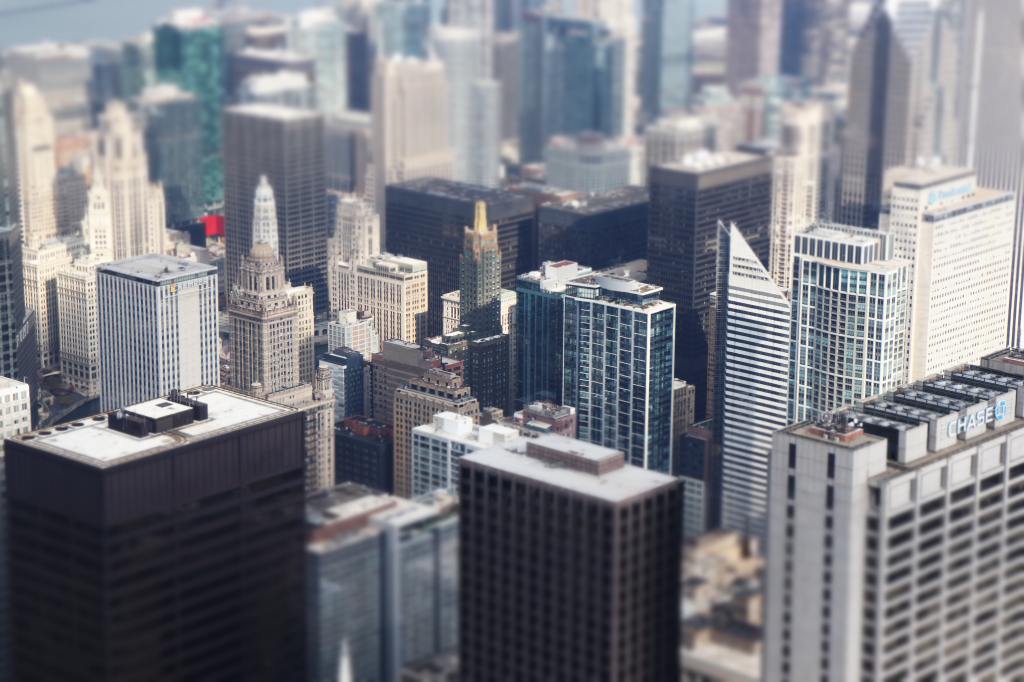
From the streets cracked with weeds and neglect, Andy counts thirteen strips of skull-socket windows. Above all those missing eyes in the fourteenth row of the apartment tower, one pane blinks with light. In a city sapped of its electric lifeblood, the Morse Os wail like a ghost. Andy knows no one is there. Everyone is gone. A solar-charged lamp fell. This is a sadistic trick of nature or god, nothing more
But Andy recounts the floors and inks “14” on the back of his hand.
The entrance is unlocked. Inside, a dead houseplant lurks in the corner. The breeze behind Andy wiggles the dust on the mailboxes like desiccated cilia. A bagless trashcan asks for more than its faded grocery store ads. It’s the same scene he’s seen hundreds of times. He doesn’t even need to axe through the stairwell access to climb up to the fourteenth floor. Maybe not the fourteenth floor. In all his climbing, Andy came to the conclusion that architects in the city had gone to war over when to start counting floors. Ground was Zero here, but One there. Or they called it the Lobby. Adding Mezzanine floors, numbered or unnumbered, was a new chaotic tactic in their professional warfare. Hence the “14” in ink. Fourteen sets of stairs to climb, and forget this architect’s allegiances. Or hell, just let these made-up stories muffle the scraps of hope he fosters deep in his belly, decomposing under all the dead butterflies, that he will find a person taking refuge in the apartment with the blinking lights.
The floor looks normal. The door is ordinary at first, but under his headlamp, the color pops. A blue-green that could be called seafoam, or tropical Kool-Aid vomit. Apartment doors are always locked, but Andy always tries before axing his way through. He has demolished doorways all over the city, coughing his way through former lives. Can he still call this place a city? When he’s the only one there? Urban landscape doesn’t depend on people, but a city is inhabited. Call the city by its name, he tells himself, it’s name’s not null because no one’s here. But he doesn’t dare whisper the name. Like a survivor grieving in his family’s tomb, the namesake becomes sacred now the essence has gone.
Andy turns the doorknob. Locked. Soon after he cracks the door open, he sees the flash from next door cast a dim white-green light over the couches and coffee table. This isn’t the right apartment. He sets his axe on the bureau among the fuzzy keys and picture frames, and searches each room. No people. No bodies. No sign of any disturbance whatsoever, just like every other home in the city Andy has broken into. He throws open all the windows to pump out the stale air, to let the rain and humidity in, to allow the rooms the dignity to rot with mold and new life. A flurry of particles stirs and slithers. The air currents conjure writhing dust clouds that glint in the staccato glow from the light next door.
With a heavy hand, Andy swoops up his axe to leave, but it slips and clatters on the floor. As he bends to recover his only constant companion, his hand wipes the grey from the mahogany bureau. The itch seizes his lungs, and he coughs out the odor of abandon, of a city emptied of its souls, and stares at the shine of the lacquered wood. The dust is thick as lichen. Where the hell could it all come from? Not like there could be any dust mites left. They must have finished eating all the human detritus years ago, right? Did they evolve to thrive in their own filth, eating their own recycled shit over and over again, reproducing and eating their own graveyards until their shit makes mountains and valleys, a new veritable city of shit in this old city of people?
He goes to the kitchen, puts his axe in the sink and forages for rags and cleaning products. Andy brushes ceramic clowns and appliances smooth and wipes surfaces and cabinets and crevices, shakes the sheets and blanket and pillows and cushions out the windows, Windexes all the glass he can find, empties the petrified remains of the refrigerator, pilfers the closet for a broom and prays his thanks for the parquet and sweeps up the dust rats, and fills trash bags with their massed corpses.
For the multiple mop buckets, he uses their stash of off-brand bottled water, and mixes in Pinesol and soaks up what’s left. The sludge he dumps down fourteen floors stains the building like running mascara. There aren’t enough sheets to cover the furniture, so he uses towels too, making a clownish haunted manor out of this three-room apartment. Andy closes the windows, but regrets he can’t fix the doors. This shortfall in preparing the home for the never-return of its long-gone occupants isn’t a snap back to reality, but a slow crumble.
The light from next door shines. Andy can almost pretend, for a moment, this is normal. That even a stranger coming into this vacuous hell would be happy to see him.
The door is ordinary. Of course, he knows no one is inside the apartment next door. There can’t be anyone. Everyone is gone. If someone was there, wouldn’t they have rushed over to talk to another human being? The only one in this no city?
Andy turns the knob.
Chris Airiau is a SF writer and game designer living in France, forever obsessed with the speculative. Find him on twitter @ChrisAiriau or online at chrisair.itch.io.
In the hollows between the hills night has already laid down his head. In the wash of his sleeping breath, beneath the sighing trees, among the leaf-litter and the rich loamy soil, I lie also. Once I was multitude, just like you. Now you might think I am no more, but there is still life here, but crawling, seeking, feeding. Returning me to the soil, and to the trees’ thirsty roots, and to the hollow between the hills, where night has laid down his head, where the moon shines white on my white face, my eternal smile. Here I sleep.
Mason Hawthorne studied creative writing at the University of Wollongong, and writes queer weird fiction and horror. On twitter @MasonHawth0rne
you say you prefer a bullet in my skull to the plum in my smilebecause you cannot stand my child-like laughter (I am six years old)because you lost your own (were you ever a child?)you make us hide between sandbox and treeyou make us hide from black dogs (we never hear them bark but you)you promise hurt as the sun promises fun (one of these is not to come) blue is hiding between white buildings (you are hiding with it)there is no you (no longer), there are no dogs (were they ever?)plums are ripe in a promising sunI am six years old and warm and soon to be sevenyou return to a sandbox (you are a child again)it will be silent there, as you wished
Zedeka works a minimum-wage job and is not college-educated. Being a private person, she writes and draws amateur comics for her own entertainment and lives a satisfyingly boring life in Germany.
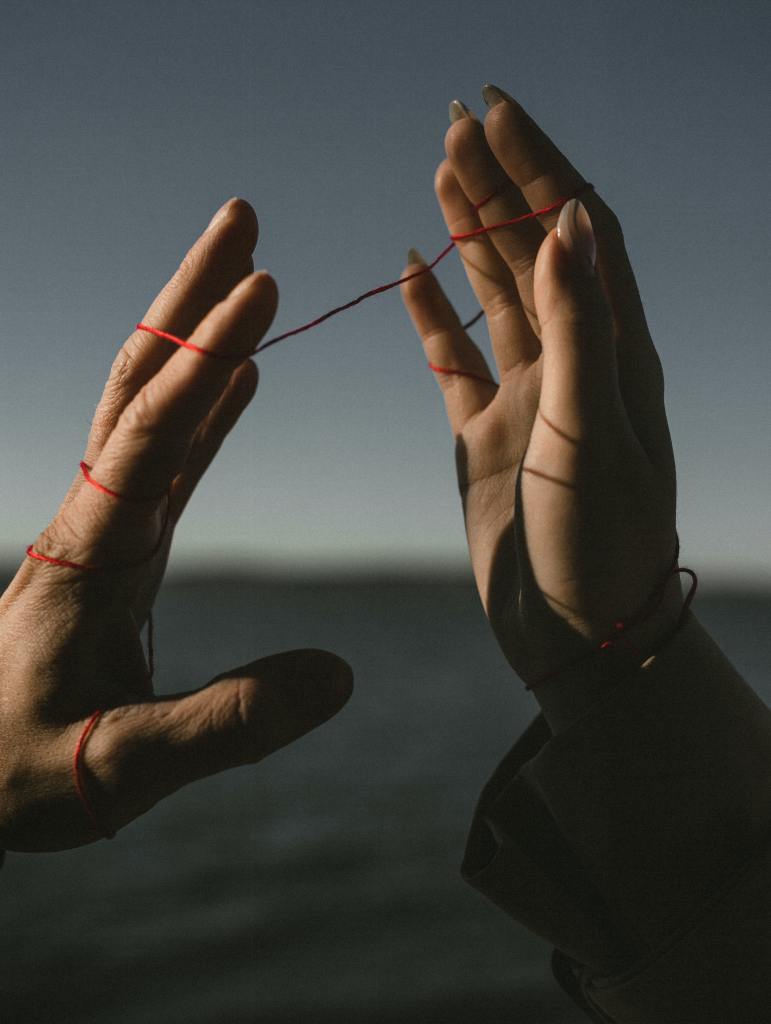
they’re connected like delicately twisted string, not quite a knot and not so certainly entwined, just existing on the same wavelength, the same spool of thread slowly unraveling into a pool of red, tightrope walking over a future like rusted nails and shards of glass, a breath away from falling. one’s doing handstands, fearless and wild, not belonging and not caring, forcing the world to acknowledge that they exist whether it likes it or not. The other is quiet, barely tiptoeing, progress slowed almost to a stop, hesitant and clinging to the past, unwilling to let faces fade or people slide through their fingers, placing blame to avoid responsibility, rope burn scarring their hands, remnants of the nooses they tied for their closest friends. they pushed people away to save themselves, but fear the same fate, finding their comfort now in toxicity and doubt.
they’re two ends of a sliding scale, equal and opposite reaction, caution and recklessness striking a balance, past and present facing off in a neverending standstill, battle of wills and won’ts, how far they’ll go to hold onto what’s holding them down. how far they’ll fall with an anchor tied to their ankles.
what happened? why were they wearing rose colored glasses when the red flags came up? why did they look away when the signs fell in line one after another, and why did they plug their ears when the sirens sounded, when their friends were screaming SOS, when their house was burning down? they fell in love like walking off a cliff, straight into the sharp rocks will no regard for the branches that could’ve carried them back up. they doubt the people they cried and laughed with for a decade, the people that held them above water and forced them not to drown. they left them all behind for someone who’s taken over their life, cementing over the cracks they could’ve looked through to see the truth, and then they convinced themselves they’re better off.
it’s all a game, roll the dice and no one wins. try and talk it through so they can talk themselves deeper into the grave they’ve been digging for years, using a crystal ball to window shop for caskets, burying who they used to be for a future where they can pretend to be happy instead of stuck. or leave it alone and watch it get worse, watch the best of them fade away and let it happen, keep quiet to keep a connection you thought you’d never have to lose.
let the tattoo fade, because you have all the weapons but there’s no point in fighting for it now







 Unstamatic