
Emma is a trans writer who has been writing fiction for as long as she’s been reading it. You can follow her on Instagram at @stream_charli, and read more of her work at insectosophia.wordpress.com.
Emma is a trans writer who has been writing fiction for as long as she’s been reading it. You can follow her on Instagram at @stream_charli, and read more of her work at insectosophia.wordpress.com.

Jack’s shoulders slumped everywhere he went, head bowed as if in reverent prayer or concentrated reflection. His friends always said he lived an interesting life, but that’s because they didn’t feel what he felt. He wondered what it would be like to live a different life; he had an image of a soft breeze rippling waves among endless fields of wildflowers. Where the breeze started and where the breeze ended, no one could know. He wished his life was like that sometimes.
But whatever gods or fate ruled this world, they were cruel and creative. He used to be religious, he went to church every week and tried to live his life by a code, if not godly morals. What did he get in return? Only pain. Dark reflections, he thought. His mind often wandered to this familiar place, especially when he drank.
Jack sat on a stool with his elbows leaning on a heavy wooden bar. He was already three whiskeys deep. It was 5:15. Moods like this took him every so often. The current bar he sat in was unfamiliar, he stumbled upon it by happenstance. It was small, but cozy with only six tables, not counting the ten or so stools at the bar. There was a jukebox next to the door and a pool table at the opposite end of the room. Could have fit several more tables instead of the pool table, Jack thought.
The bar was dark and there was a haze of smoke coming from a lit cigar belonging to an old man sitting at the corner table closest to the jukebox. The only other patrons were a father and his son playing pool. The crack of the stick striking the cue made Jack start from his musing. The bar reminded him of something from a movie he had seen once, but he could not recall the name or the plot, only the feeling.
After work, he told his wife that he was stopping for a bite to eat because he missed lunch. He hated lying to her, but he hated seeing her hurt even more. She was kind to him, and understood when the darkness overtook him, but he could tell it weighed on her to see him like this. Lying was easier. He planned to stay until he could sustain a smile and pretend to mean it. Grace deserved that much.
His father came home in dark moods when he was young. Some slight or another wounding his pride and making him feel small. It was best to make yourself scarce when the storm approached. His dad was an angry drunk; well, angrier than he was when was sober at least. The man didn’t need excuses to get red in the face. Jack’s mother tried to stand between the kids and his raging father but she was a slight woman and her clinging hands were pried with ease. That left running. Jack and his brother Robert would go separate ways when they left the house, Robert would stay out all night with friends or their cousin Tim who was twenty-five and lived within walking distance. Jack would always go to Eva’s house.
Eva was the pastor’s daughter and Jack’s best friend. Pastor John and his wife were the kindest people Jack knew. When he realized Jack was going to keep coming around, pastor John invited him into the study and they would talk about life and God and why people do the things they do that hurt other people. Eva’s mother set up a bed in that study and had it made up anytime Jack appeared at their door.
Once there was a storm. The thunder rattled and the lightning flashed in lock-step with Jack’s father’s rage. Jack had been told at school by another boy that Thor was the god of thunder and when he raged so did the storm. The boy pointed to a comic as his proof. He told pastor John so, sitting by the fire in the study trying to get warm after running faster than he ever had through a downpour.
“Thor ain’t real, Jack,” Pastor John said. “That’s just stories. There’s only one God, the God of the Bible.”
Jack wasn’t convinced. Eva brought him hot cocoa and read to him from the book of Exodus. Jack wasn’t sure he saw a difference between the God of plagues and the god of thunder. Pastor John just nodded his head in obvious pride. That was the night that Jack decided to be better than gods and men. He would never bring his anger home to his family when he had one; never be awful to the people he loved. It was a noble promise, one he tried to keep all his life.
Jack’s mother died that night, by her own hand. A sacrifice, in a way, because his father’s will was finally broken. Robert left the house the following year, working a job in a coal mine across the state lines. Jack never spoke to him again. He knew why Robert left, but he couldn’t bring himself to follow. There was something in his father’s face he recognized in his own when he looked in the mirror. A bond they shared despite everything else. Jack’s father never lifted a hand again after that, and Jack could count on one hand the words that passed between them until he died many years later. And of course, there was Eva.
Jack realized he was staring at the boy playing pool with his father and turned back to his drink. He heard the boy shout and looked back around. The boy’s father congratulated him and reracked the pool balls. The old man in the corner puffed his cigar and raised a glass in salute. Jack nodded to the father who smiled back.
The bartender cleaned glasses in the corner, waiting to be needed by one of the patrons. He saw that Jack’s drink was near empty and approached.
“Another one?” he said.
Jack nodded.
The bartender knocked twice on the wood and walked away. He returned moments later and replaced the empty glass with the full.
Jack held the glass in a hand and took a small sip. He tried to savor it, the flavor, the burning. But he felt nothing. The door opened and Jack recoiled from the sudden light. He was blinded for a moment as he readjusted. Footsteps approached and stopped beside him. A familiar scent sent his mind reaching for something—a memory, maybe, perhaps just a memory of a feeling. Clarity returned and he saw Eva sitting on the stool beside him.
Jack’s throat tightened. His heart began to race and he felt goosebumps on his neck. He recognized the voice, even after ten years he instantly knew it was her. Eva. He looked at her. She had not changed. Her blonde hair cascaded down her shoulders in thick curls. Her hazel eyes, bright as they ever were, pierced straight down to his soul. She saw him; she always did. He felt a wave of emotions he could not identify, as if every feeling he ever felt hit him at once, conspiring to overwhelm him. He lifted a hand to the bartender and asked for an old-fashioned.
“You want it after that one?” The bartender pointed to the fresh glass of whiskey.
“It’s for her.”
The bartender touched his ear and stepped closer. “What’s that?”
“It’s for…” Jack began to point to Eva then shook his head. “I’ll just take it now.”
The bartender shrugged and began mixing the drink.
Jack swallowed again, a vain attempt to clear the lump in his throat. He remembered the first time he saw Eva, really saw her. They were walking home in junior high. She stepped off the dirt road into a field of sunflowers. All of the flowers stood a head taller than her but he watched as they bowed to her beauty. She held them gently and spoke words he could not hear, and he never asked.
They were married just after high school. It seemed natural, and no one questioned it. A foregone conclusion. Pastor John performed the ceremony. Jack’s father didn’t show. All was as expected. After a short honeymoon to the coast, Eva went to college and Jack went to work. They had one child together, a daughter. Some saw Jack in their daughter’s features, some saw Eva, but Jack saw God. He knew nothing in this world or any other could compare.
The bartender placed a napkin under the old fashion and slid it to Jack. He thanked him.
“You’re not really here,” Jack said in a low voice. The boy playing pool asked his father if he could break. They jabbed each other’s skill for a moment before Jack heard another crack of the cue. He chuckled.
“Of course, you’re not here.” He took a long swig of the whiskey. “You’ve been gone ten years now.” Ten years since Eva asked him to put away the drink. Ten years since he stormed out through the front door and went walking. He’d been well into the early morning, wandering aimlessly, and when he returned a sheriff’s deputy met him on the porch, hat in hand. He knew before anything was spoken. Eva had gone looking for him. The car blew a tire and she ran off the road. They found the car wrapped around a tree. His daughter was inside it too.
Nothing was the same after that. He had chanced across pastor John once or twice when he visited his mother back home. They didn’t speak. Jack was sure pastor John saw him, but he did not blame him for avoiding conversation. Not after what happened. It wasn’t long before Jack never went back.
“Is that it, then?” Jack said. “My time come? Did God send you to usher me to judgment?”
“Not quite,” Eva said.
“What then?”
“Why are you here, Jack?”
He looked at the ceiling and sighed. “I ask myself that all the time,” he said. “Should’ve been me who got in the car that day, not you.”
“That’s not what I mean.” Eva motioned around the room. “Why are you here.” She lay a hand on his arm and his breath caught. The words died on his lips. Every hair on his body stood up. Looking at her was like diving into the deepest, darkest parts of the sea; the swirling, churning, mesmerizing sea. Jack held her gaze, ready to be lost with her. Ready to surrender.
“I just want it to end,” Jack whispered. “It’s too much.” He’d never said it out loud and now he added a new layer of shame to his burdened shoulders.
She didn’t respond. He began to weep, softly, wishing to shrink into the shadows of the bar and fade to nothing.
“Why are you here?” He said.
“For you,” she said. “And for all you’re willing to give up.”
Jack swirled the whiskey in his glass and watched the whirlpool.
“I don’t believe in ghosts,” he said as the whiskey settled.
He ran a hand through his hair and downed the remaining contents of his glass. He put both hands on the bar, staring straight ahead. He caught his reflection in a mirror, a sad sight. A reflection that looked back at him, weariness plain.
“You don’t believe in ghosts,” Eva said, tapping her finger on her lip. “No, I suppose you wouldn’t.”
Jack pushed away from the bar and clapped both hands to his face. He rubbed his head furiously.
“Please, just go.”
“You don’t believe in ghosts, but you’ve been haunted all your life.”
“Those are demons,” he said. “I believe in demons.”
“Oh Jack,” her voice was melodious, the last feeling of warmth before a crisp cool wind changed the feel of the day. He felt the darkness retreating to the recess of his mind, slowly; and so he clung to her warmth.
“I can’t do it anymore, Eva. This has to end.”
“And Grace?”
“She deserves better,” he said. He shivered. “Better than worrying about a damned soul like me.”
“And your son?”
He exhaled a long breath. His heart clenched at the sharp pain of her words cutting deep. His son.
“I can’t even look at him some days,” he said, almost inaudibly. “It’s not him, it’s me.”
“You would abandon him? Like your father did to you?”
“Enough!” Jacked said. He slammed his hands on the bar. He heard a gasp and saw the boy leaning close to his father, both having backed away from Jack and put the pull table between them. The old man in the corner furrowed his brow. The bartender approached.
“I uh…” the bartender hesitated. “I think you’ve had enough.”
Jack’s heart raced. He looked from one wide-eyed face to another. His chest heaved. He reached in his pocket and the bartender tensed. He threw a wadded twenty dollar bill on the bar and walked toward the door. The ghost of his ex-wife followed.
“You can’t run from this, Jack,” Eva said as they walked into the golden light of sunset. “That’s not the kind of man you are.”
“I’m a coward, Eva,” Jack said. “It’s exactly the kind of man I am.” He fished the keys out of his pocket and fumbled them as he tried to unlock the driver’s side door of his car.
“Living is never cowardly, Jack,” Eva said. “Neither is pain.”
Eva approached him and lay a hand on his shoulder again. These goddamn keys, Jack thought. The keys fell from his hand. He lay his head on the roof of the car.
“What am I supposed to do?” Jack said.
“Live,” Eva said.
“Did it have to end?” Jack said. He turned to confront Eva one more time.
“Yes,” she sad. Her tone shifted. Something akin to sorrow, but not sad.
“What did we do wrong?”
“That’s not how it works, Jack. Sometimes things just happen and there isn’t a deeper purpose or a hidden meaning. Things just…are.”
Jack leaned against the car. He kicked a small rock with his boot and watched it tumble across the asphalt. The oblong shape caused it to bounce this way and that, each time it struck it took a new direction.
“I don’t know how to carry on, then.”
“One day at a time,” Eva said. She turned and looked at the fading sun. “I have to go.” She turned to leave. Jack reached out for her but held back. She sensed him and looked over her shoulder. She was beautiful, Jack realized, arrayed in light. Shadows were cast across her face but instead of obscuring her features the shadows highlighted her radiant smile and ocean-deep eyes.
“Is she happy?” Jack said.
Eva laughed. “She’s everything we ever dreamed. And more. I wish you could see her.”
“I will,” Jack said, “some day.”
“But not today?”
“Not today,” Jack said.
“Well alright then,” Eva said and walked toward the sun. “I hope I don’t see you tomorrow, either,” she said without turning.
Jack followed her figure for as long as he could see her. The setting sun settled just in front of his vision and though he shielded his eyes, Eva was gone by the time he could see. He lingered for a few moments more and watched the last rays cast pink and purple hues across the heavens. When dusk settled comfortably, he picked up his keys and got into his car to head home. Grace would be waiting.
I’m an MFA student at Queens University. Twitter: @corykessler
His skull breaks the glass.
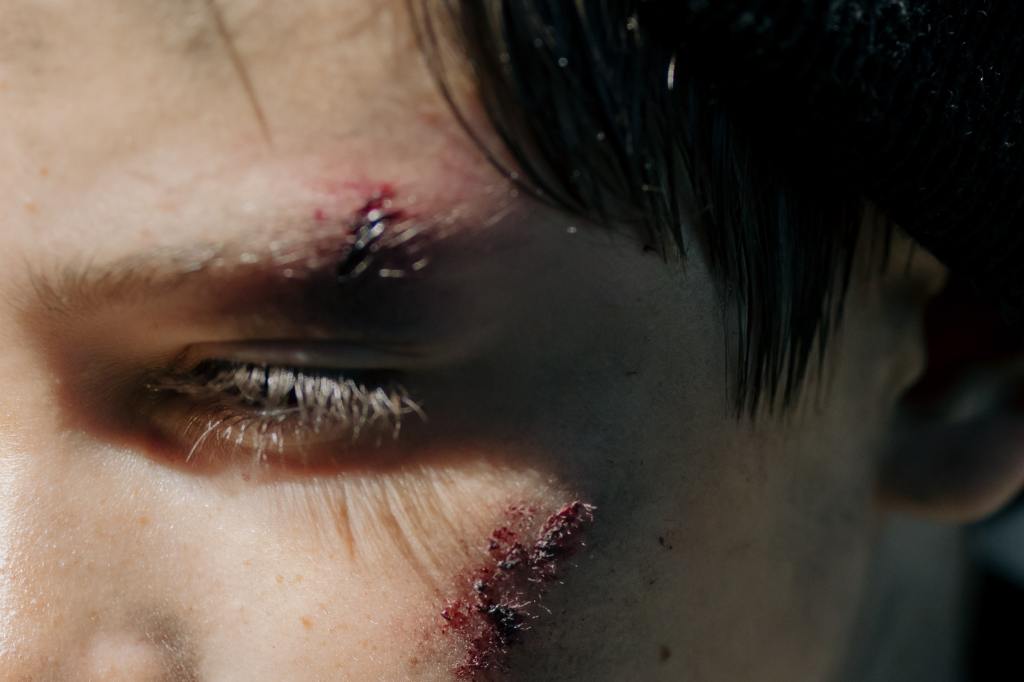
The crack spreads out in spindly threads, a spiderweb of hurt etched tangibly into the window of his former home. Blood drips sickly toward the windowsill, burgundy red, translucent where the light hits. It all collects in a fatal red rosary bead that bursts when it hits wood, pooling on the sill and cooling into a sticky, permanent stain in the white paint. He falls to his knees in the damp grass, head bowed and gasping for breath, blood dripping down the length of his neck and dyeing the collar of his dress shirt cranberry. He wears a black eye, a sleeve of tattoos on his right arm where the short sleeves don’t cover, and a new hole in the knee of his black jeans. This house has watched him in similar states of disrepair, but the tattoos cover years of life this place has never seen, memories he’s made and kept for himself that don’t pertain to the person who lived here, the one he used to be. He’d left that person here to rot, but it’s all coming back now. He can feel the decay grow roots in his chest.
His breath begins to even out, and he manages to bring a hand to the back of his head before a kick to the stomach sends him lurching forward, curling in on himself as he starts to retch, gasping inward breaths sounding like sobs between them, perpetual gut-wrenching sounds escaping him in painful bursts. Black spots invade his vision and everything starts to blur, but he refuses to cry. He refuses to fight. Maybe he deserves to die here.
He’s not sure why he came back, why he ever thought this could be a good idea, a healing moment or something. He just had this maddening, neverending itch to make things right, but he realizes now it may have just been a hankering for getting the shit kicked out of him. Like old times. He thinks he came here for some sort of forgiveness, but he’s never forgiven anyone here. It’s a one way street, and he’s standing in front of a truck going 70 miles per hour with no intention of stopping or slowing.
The next kick comes to his ribs, and he can feel more than bone splintering inside him. He’s in fetal position now, face half in the grass and dirt with no hope of catching his breath again. It doesn’t matter anymore. He won’t be the person his brother wants him to be. He won’t turn his hurt into bloodied knuckles this time.
The decay keeps spreading, upward through his lungs, his throat, up to his eye sockets where it starts to leak, tears forced out of him sliding down his swollen face, breaking the promise he made to himself. He’s never cried here. He’s never been allowed. He remembers holding it in, always holding the hurt inside until his chest threatened to burst, taking it with him into school bathrooms where he could finally sob until he gasped for breath, where he had hall pass privileges taken from him because of the days he held it in so long it took entire class periods to calm, to collect. He remembers the days without being the worst times, crying between classes inside stalls, balled up toilet paper disintegrating in the fist he hid inside of his pocket in all the classes afterward. He remembers the days the older kids would find him and call him crybaby, call him a girl, call him anything they could to try and hurt him. It couldn’t damage him more than he already was.
He moved past crying and onto fighting pretty quickly. Inflicting the pain felt like a relief, finally getting to hit back such a euphoria that he never cared if he lost or won, if he was suspended or spent weeks on end in detention. If he ended up on the blacktop in a pool of his own blood, at least he’d picked the fight. He’d come home and do it all again anyway, so what was the point in waiting, in trying to keep himself pristine for the ruining? There was freedom in the choice, and he’d take any ounce of freedom he could get.
This was his home, but he never knew quite what that meant. There was never an attachment, he held no nostalgia for the shell of a house that all his worst memories occurred in. Home was a locked cage, a noose just a little too low and loose to die from, a constricting rope around his neck that pulled tighter every time he said a word, every time he thought of fighting back, every time he did some invisible wrong thing. Yet he was drawn back here to relive the misery, to start it anew, because of some sick urge to see if anything at all had changed, and met with exactly what he should have expected.
He hadn’t made it past the door frame, but he imagines the inside is filled with ghosts lining the corners like cobwebs, his far-off screams lingering in the air like dust motes, rusty stains from his blood still spotting the floor, all tastefully pulled together with a heavy sense of dread. The past and present had never collided so forcefully before, and he feels like a mirror image of himself, reflected the wrong way around. This couldn’t be him, this couldn’t be his blood sinking into soil, he can’t have so directly tied himself to his worst nightmare. The rain can’t wash away what the roots in the front lawn have already drank, a blood pact that says he’ll never truly be free. His tattoos are distant hope, a future he can’t reconcile himself with when he’s bleeding out. That him doesn’t know this one. That him has never suffered, had buried his past six feet deep in a sealed urn where the ashes of it could never be spilled. That him is smart, and strong, and doesn’t give in to insistent urges that will only end in pain.
He’s twelve years old again with no hope. He’s twenty six and fists and steel-toed boots still speak louder than he ever could. He was right to leave, and he should’ve stayed away. He knew that all along, felt his heart trying to combust as he walked along the path to the front door with a high-pitched screech like a hospital flatline bouncing around his head, a warning signal for him to hear and ignore. Self preservation had never been his strong suit.
He was sixteen before he ever hit back. He never intended to try, but one day something split inside him. Something cracked and a monster crawled out, the missing piece that fit him into the family, slotted into place right where he belonged, violent and volatile, his anger torn from the inside out. He swung and hit, crushing cartilage under his knuckles. He broke his brother’s nose and sprinted out of the house before he noticed the blood running down his hand and wrist, slipping down the sleeve of his hoodie, trailing guilt behind it. Every day he got hit, and every day he bled and bruised, but he’d never noticed how much there was, how red it all could be. He thought it’d feel good, to see his brother hurt like he did, but he just felt hollow, like everything inside him had drained, all the good and bad seeping through the shallow scrapes on his knuckles, all his hurt culminating into this moment of emptiness, when he realized he was no
longer just the victim. He’d hit back, and he wasn’t sure if that made him a hero or a villain, if he was just as bad as them after all.
Everything is flooding back, a lifetime of conflicted feelings on parade, not so much nostalgia as a series of painful flashbacks twisting like knives inside him, the dull throb in the back of his head ever-present and debilitating. He’s powerless to stop it, the way he’s always been powerless. Nothing could have prepared him for this. He had his whole life to prepare for this. It’s a complicated duality, all his should-haves and what-ifs on display, realism and optimism caught in an eternal war. After all this time, he still wants to see the best in people, he always wants to hope for more, a wistfulness that has never once served him well.
He’d closed his eyes because he didn’t want to see the kicks, and if one came to his face he didn’t want to lose an eye — he’d long since learned the best ways to be beaten. He can almost breathe again, and he realizes it’s been a while since the last blow, which only serves to set him on edge. Maybe this pause is forgiveness, or maybe it’s a setup for something worse, twenty six years of lead up finally culminating in the kill. His tears have turned the dirt beneath his cheek into thick mud, and as he struggles to lift his head from the cold ground, he feels the mud lift with it, fused to skin like an ineffective graft, a makeshift bandaid. He doesn’t want to take any part of this place with him when he goes. If he goes. This place has its own gravitational pull, made in part by gravity pulling and holding him down when he’s wounded, so much stronger than he is. He keeps his eyes closed, holding on to this one last bit of hope. He escaped before, and he can escape again. He can lock this part of him away for good this time, he’ll take whatever new scars were made here and remember them when the itch for home finds him again.
It was never an itch for home, because he’s never had one. Maybe an urge to find one, to reevaluate and reexamine, maybe find something good that could’ve been, that he now realizes will never, ever be. Ten years hasn’t changed a single thing, and they think he deserves this. He plants a palm on the wet soil, makes his screaming muscles move him until he’s got both hands and knees grounded, however unsteadily. He feels blood rise in his throat and swallows it down, and his ribs feel like a hole in his side but the stabbing in his stomach is worse, and he can’t give into either if he doesn’t want to die here. He can’t die here. He won’t let them win.
He still hasn’t opened his eyes, but he can feel the world spinning around him, everything off-kilter and wrong, a fun house mirror inside him warping his guts into something foreign. It’s vomit coming up this time, and he can’t stop it; it erupts out of him and onto the pristinely green lawn and he doesn’t feel any better after. He pushes himself to his knees, and the head rush feels like he’s dying. He can’t forget the blood drying on his neck, wonders if his skull cracked as easily as the glass behind it. He was never very hard-headed, passive and weak, too fragile. The fragility was the problem and the solution, the barrier between he and them, the secret to keeping himself in tact while also breaking him irreparably, shattering him into millions of pieces he would spend the rest of his life trying to collect.
He was sick of the search, of the longing, of the thought that if things had been different he would be better off. Of the knowledge that things would never, ever change, that the past can’t be rewritten or smudged away, that the cracking of knuckles would forever set him on edge, that
the anxiety associated with the slamming of doors would always eat him alive, have him bracing for impact, leave him shaking. Ink covered all the scars except the ones in his heart and on his mind, and hope ripped them open again, optimism he still couldn’t shake, some misplaced, stupid hope that something had changed, that anyone could feel guilt for what they’d done or have the capacity to want to atone. All he wanted was for someone to be like him. All he got was what he deserved.
But the blows had stopped.
He still thinks it might be a game, that one of them is just waiting for him to watch as they kill him, waiting to hear his sigh of relief before they steal his breath again. He doesn’t give them the satisfaction, imagined or not. He can’t hear any breathing but his own, and it’s coming in tattered whispers of sound, it’s barely audible, it’s nothing like the labored breathing that comes with delivering a beating. He must be alone. But maybe it’s the hope telling him that, trying to kid himself, trying to make him feel safe in his final moments, give him some sort of peace before the end.
He readjusts, shifting his weight to plant one foot on the ground. It’s a slow process, every muscle in his body screaming for him to stop, to lay down and die like they’d always hoped he would. He won’t do it. He might die from the injuries, he might die running away, he might die scared and alone and limping, trailing blood behind him. But those’re his own terms. Those are endings he won’t let be taken away from him, his cowardice and courage coexisting to make him uniquely other than who he grew up hating. No matter how he dies, he wins if it isn’t here.
He doesn’t care that he’s probably going to die today.
He leans forward, pushing himself upward until his other foot is steady enough to hold him, dug into the dirt and desperately praying for purchase, that this ground can give him some sort of strength, hold him up one last time. It takes some time, but he shakily stands, straight for a second before another stabbing pain echoes in his stomach and doubles him over again. It’s not perfect — how could it be — but he’s upright, and that’s enough for now. He can start trying to put one foot in front of the other, he can drag himself home, to his real home, somehow.
All he has to do is make it to his car, but his blurry brain can’t remember where he parked. He thinks it was far away, just in case. He’d never had something so nice before, he couldn’t risk what they might do to it, if they’d ruin this one last thing for him too. His phone is out there with it; he only left himself open to be broken here today. He wonders if he’ll regret that decision, and his mind wanders to other endings. He doesn’t know that he could’ve brought himself to call 911, that his fingers could have dialed the keys. He can’t say why. Maybe some insane, twisted sense of family loyalty; maybe actual, pure, fear for his life, but he can’t imagine turning them in, can’t imagine telling the truth. Can’t imagine making up a lie that could explain the mess his body’s become. Maybe he doesn’t deserve that kind of justice. He thinks he knows the direction he needs to go at least, and starts to stumble that way. The gash in his head is dripping down his neck again. Every single step is agony, every single movement making him feel like he’s going to collapse.
He makes it to the end of the block before he does.
Cautiously optimistic. instagram.com/blonderuby
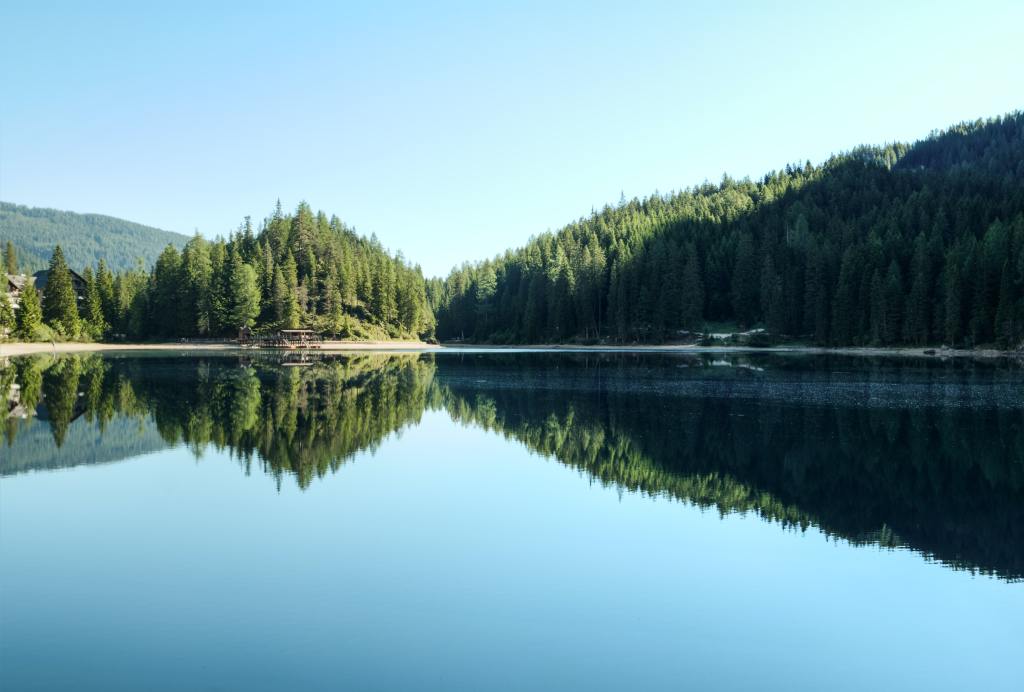
That first summer I arrived at the Lake, I’ll tell you what: Magic. Glorious days, fishing and sailing, moonlit swims at night, campfires, fireflies. First time I ever saw the Milky Way. Pinch me, I said. I wished it would last forever, I was all in—gave up my apartment in the city, worked out all the details, moved up with a whole heart. The air smelled fresh, almost too fresh for a cityslicker, like it had been scrubbed clean, disinfected. The water was so clear, when you looked straight down, you could see the bottom and all the million-colored stones. You could drink me, the Lake said, I’ve got nothing to hide.
Come autumn, the rain started. It was not torrents, not buckets and storms, just a smooth, even drizzle. Funny because with a good hard rain you can hear the rain itself, hitting the ground, drumming on the roof, but with this constant spray, this gray noise dripping off the trees, and drop by drop down the aluminum downspout, like a percussion section with the sniffles. It got so wet and muddy I started to think the world was raining rather than the sky, like the mist was a condensation of the Earth, raining in reverse.
Anyway, down or up, the Lake swelled with that drowning rain, crept over the beaches and banks, swamped roads and docks. Someone’s boat washed up in my front yard, and I tried rowing around past other cabins, checking out the damage and expecting someone would wave and say, “Hey! Thanks, I was looking for that,” but no one claimed it or knew who it belonged to, so I tied it up to the porch post—that’s how high the water got. And it kept rising until, by the time the cold weather arrived, the cabin was practically in the Lake, and I was not exactly stranded, but always damp.
Winter hit hard. “Coldest in a generation!” Now, the Lake was known for its ice-fishing, so a good hard freeze was expected. But you should have seen them on the ice trying to chunk out a hole. One guy was at it all day, early in the morning until sunset, hacking and bashing, but he never got through it was so thick. He actually tried starting a fire in the hole, and it melted alright, but just along the sides, and pretty soon the water snuffed out the fire and he packed up and left. As he was stowing gear in his truck, he showed me half a fish he chopped out of the ice—the other half of it was still stuck head first in the wall of the hole. By next morning, the melted water was frozen again, with the charred wood and bits of burnt paper and matches frozen solid, like the Ice Age hit while someone was cooking his dinner. The end of the half a fish stuck in the ice looked like a steak shrink-wrapped in the freezer section. I kinda wondered if the fish was dead now, or whether it would die later when it thawed out and realized it was missing its bottom half.
I’d like to say that in the spring, everything melted and everything was green and the world was young again, birds and bees doing their thing, but spring never came. Winter stayed for six long-ass years, and I just got colder, and slower, and sleepier. It was a trudge, no bones about it. I envied the fish.
Finally I said “Screw this, I’m out” and moved to the desert. Found a real nice Oasis, lots of neon and palm trees. Wonderful. The Oasis didn’t say anything to me like the Lake did, no Hey Sailor (obviously,) just shimmered and smoldered, the sand glittering. Since it was quiet, and no seasons in the desert anyway, I didn’t give it much thought when the Oasis dried up and the families all cleared out. I still had the swimming pool to splash around in, so it all just seemed normal until the water was gone, and even the pool was empty, the taps coughed sand, and I had to start buying bottled water by the truck load—sponge baths, paper plates and plastic forks because no water to wash the dishes.
Anyway, the air conditioning still works good, so I’ll take my time and give some thought to where I go next because this is getting nuts. Maybe something by the deep blue Sea.
Maybe it’s me.
Troy Ford is a lifelong writing enthusiast living in Sitges, Spain with his husband and AmStaff terrier. Twitter: @MrTWFord Instagram: @mrtroyfordauthor FB: @MrTroyFordAuthor Website: mrtroyford.com

cabinet hinges unstick themselves,
arthritic knobs of dust and cracked paint
rendered floorward and
there are family-sized tylenol and ibuprofen bottles,
filled and cottoned.
the traffic vests of creme and tangerine pills blink
caution, do not enter and
you, the archeologist, the excavator, the historian, is careful.
you wear gloves
when you remove expired athlete’s foot spray;
the can’s seat burnt a cord of rust into the pine.
you could catch things here like tetanus, and
the expired leg cramp pills, all seven cases of them,
wouldn’t save you and
neither would the homeopathic bug spray or toe separators
or elderberry chews or Neutrogena sunscreen and
you know it’s like vinegared wine or cursed scarabs
waiting in the moist dark, stone wings
chirping against topaz and
some haven’t worked
since 2019, like you. and
thank goodness
they were just two,
two only, and you are not one of them but
you think about how
they left the plastic wrap on the vitamin D
and three packets of birth control meant to be
had with a poached egg, with eighty-four poached eggs and
you marvel at the calcium chews and wonder
if he brought her one with coffee in the morning, if
their lungs inflated and deflated to take in the bitter
ether, their alveoli swelling in fossilized veins and
if in that moment they wondered if their bones
would enrich the soil and
never
soften.
You can find Salena Casha’s most recently published pieces at trampset, Pithead Chapel, CLOVES, and Full Mood Mag. Follow her on twitter @salaylay_c

Needles, arguments,
how your teeth grow whiskers, how your
eyes fill with zest.
That big, bended, willow tree
on the end of the block
that kind of looks like a witness
to your words sounding thin and unripe.
How growing a new body
is almost like coming home
to a burning house–
but it’s not your house,
It’s the girl’s whose lips you
knew better as a breaker of soft things,
than as a man
who turns off the lights.
You stay here, between a graveyard and a hospital.
You think of praying, you think
of taking a knife to your chest
and killing that girl
in your own home
on your own terms.
The wind clicks, the flies pass by,
your eyes closed and black,
laying in the moonshine.
The house’s foundation cracks
without moving,
without transgression,
in silence.
Keira Armstrong is the founder of Verum Literary Press. Their work has been published in Healthline Zine, Corporeal Lit, Anti-Heroin Chic, Limelight Review. More at https://keira-armstrong.carrd.co.

in contemplating the concept of unconditional acceptance / I have gazed on the folds of my shower curtain / the one with the tentacles clutching a tall ship / and lost focus in my eyes / until all the misty world blurred into / cloaks of fog around my nakedness / these are lessons for the lizard brain / the one that refuses and refutes / the one that strikes behind the knees / hissing in a tongue I have invented / on the edges of dreaming / I push my fingers into its hot tar / and extract flowers / blooming in colors of sunset / broken pink and orange across the eastern clouds / awake
Amanda Kooser (she/they) is a 2022 graduate of the UNM creative writing MFA program. Work is upcoming in Yellow Arrow Journal, The Twin Bill and the New Mexico Poetry Anthology. Twitter: @akooser.

Watch the white cabbage waltz on the wind,
wings beating, battering
the air with a ferocity
that I’ve seen, felt
many times before.
How slight, how innocent, delicate
as a bruise.
How angry, how persistent
to nip through netting
and devour the flesh underneath, my salad
days turning to terrifying nights.
I want to wound the white cabbage,
tear off the pummelling wings,
stamp the stick frame beneath my boot,
trap it within a thick metal mesh.
I want to feel my chest ease from its grip and
fly away.
Louise (she/her) is a writer based in Scotland. When not writing, she can be found at her local indie cinema or trying (and failing) to learn more about photography. Twitter: @LouiseHurrell
Resting next to you,
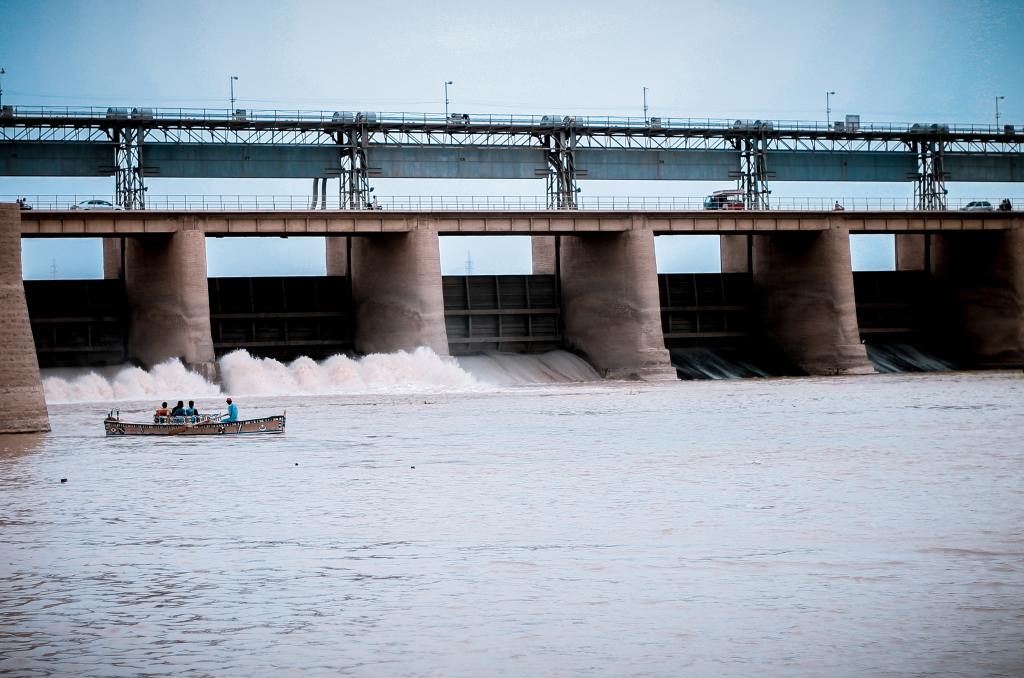
after cleansing in the Hadley Reservoir
I open up to the world like a flower in Spring.
I feel nostalgia for a way of life that’s disappearing: a cup of tea left waiting.
I witness your eyes in mine, travel lifetimes, grow in wisdom
and achieve freedom in the present moment.
– For Curry, Thank you for always reminding me that I belong to a group of people bigger than myself

Excerpt from an article (circa 3rd April 2017)
No one could have expected disaster near an island too little for offshore insurance companies but spacious for endless coral reef rainbows, glimpsed small animal herds.
Dockworkers, daylaborers mistook neon decorations as if spectres surrounded the private and absolute whiteness of a yacht named Transatlantic Camera. Most fantasies assume the unlimited crab buffet, overpriced spirits downpour throats, their comparisons involves battleships stalled in neutral, numerous oil tankers, fishermen dingy, an old man trawled squid romantics.
Mr Ezra Stavrolakes alongside partier frienemies drifted upon the lawless international ocean, fucked countless hours, drank endless their cultivated insomnia.
Mr Ezra Stavrolakes asleep hadn’t felt pulsated an explosion.
80 bodies strewn about uninterrupted waves.
Only one survivor announced: Drake Falconer.
Text from Zachary Smiley, a short story, “The Cannibal”(first published in 1986)
. . . blonde corpse inside sea foam, blue diamond cocktail dress shredded to ribbons and pallid thighs sunburnt, surfaces facefirst, arm knocked out of joint under seagull horizon descried green oblivious saltwater distances. “Hey you’re alive!” the echoes across black sand, the dark stranger sunkissed near obdurate rock formation submerged, cliff façade arose ancient gnarled eucalyptus their dark cubic zirconium paradiso. He motions toward benumbed arm, makeshift kilt of a chef overcoat swishes, greasy fire stains yellowed, Drake Falconer sees black pubic hair shaved acute, its similitude displays heartfelt. Bones interlocked together after one thrust, pain twisted stiff arm cradled in a fetus position and scream let out “Fuck! Fuck!”
“Halfway certain you died. You feel better?”
“I feel like I died. Where are we? Wait a minute I feel sick like queasy.”
“I don’t know if no one knows we’re stranded but set myself up this nice little outfit already if you’re interested. I’m Extro Randall,” their damp masculine bodies dried silent.
“Nowhere else is here? Nobody left alive?”
Drake paralyzed, smells intestinal rotten seawreck, slender electric wires gnawed like morays, puzzled iron driftwood shrapnel, its sunken nautical architectonics dissected, its starboard cabins tsunamis cracked apart revealed sea urchins swaddled pastel armchairs drowned, fisher crabs sift fluorescent blue paper money fierce tides dissolved, the bottles shatter chardonnay across several blister scarlet asteroidea the hand impaled on blue steeled contortions. Laughter cries aloud, look again toward emergent palm trees desiccated, leopard prowled jungles, sporadic ferns shook their halcyon shadows, tropical thunderstorm crossfades their frail ashen bonfire. Rock Castle shores, uncorked concupiscent grapevines, indistinct meat laid pruned fat, black iron sauce pan engulfed, fishnet recoiled over aluminum cooler and rustic harpoon foreshortened, tarpaulin shrouds above deflated rafts their erratic fire blanket. Randall chisels zebra mussels, held reflective blade shows face suntanned, freckles, scars like iron teardrops, shivers. Radio thrummed fragmentary sonatas, lurid mosquitoes buzzed microseconds, flaxen silkworm inches toward instantaneous heat-death, oils inundated nightfall, zephyr fazed constellations, tides shift pebbled shallows, flames contrast breezy salted coldsnaps their exhausted carnivorous shadows, the insect bites, blood infestations, fractures on black and white shells incarnated murderous screams complimented coconut milk in husked fibrous tumblers their fingerfood smears blue mollusk juices.
Dream illuminated thunderous abyssopelagia, bladders nonplussed over reptilian seabed mist, blind inquisitive proboscis thrust lethal slipstream effect like rapier flashes, tentacluar black mass shudders shapeless orgasm feelers delimited, its apollyon serration devours thoughtless creatures, draconic phosphenes mimicked drunken silvery shoals and arms lustful polypi immolated upheld their depths winnowed continental drift oceans swollen asleep. He walked toward an empty room untimely from spectral curtain breezed open, the insistent pleased moans laid under darker figure limbs enwrapped methodical embraces, its toes flexed, its humanoid muscles undulated scoliosis, hectocotyli flicked impalement, headless rigor on indistinct furniture. Humankind becomes again seminal seaweed, time is seaweed, a sunken city abandoned the translucid atmospheric pressures, ample cemetery floated tropical waves we have ended production, mariners from ancient regimes observed asylums inhuman prototypes inhabited, precedes centuries, perhaps characters still exist inside books intelligences addressed. Drake had cleaved awake next to Randall, sighs are heaved, share naked their fire blanket in unfathomable heat, bonfire smolders charred meat leftovers from dull metal embers dazzled with daybreak. He said, “What time is it?”
Later another dinner and eventual sunset. Drake said, “How long has it been?”
“What do you mean? It’s not even been an hour.”
“I’m sure that plane had us already. Maybe rescue will be here tomorrow. Worst case scenario rescue is a few days away from now. It had seen us anyways.”
Randall outstretcht flat on black sand, further blue diurnal movement ensorcelled sideways an airplane twisted contrails wraithlike behind auspicious clouds from urban scleroses their flight on languid volcanic fumes another distant island, the language of flowers exploded sexual innuendo, branches toward mountainous spinal ridged obsidian inland, magma boulders pulsated underfoot, soon cadaverous dusk like barricaded coral reef overhead. He sat up, looked down an idea of evil their avaricious waves approaches labyrinthine white rock, it spoke to him and tried to interpret it from breezed sea foam an unbroken metal prow like an obelisk divided sun and shadows, a voice through a cloud across unlit tides shaken absent, familiar elements, treasures in secretive ravages, disappointment, odor of alcohol, lustful salt, a black swimsuit found, a paper read the name in its handwritten cursive I, Extro Randall will die, anchovies, more wine bottles unopened.
Here the narrative becomes more difficult, a man swam calm waters, there cold circumstances paralyzed arm movement, swam more tired, typical reveries confused himself, eyes, ears burned, awkward interior monologues and narratorial intervention the infinite sheet of seas hid enormous rotten sun blackened their reflective weaker rays feverish penetrates the number of sentences you need from island to shipwreck what else? Perhaps Randall didn’t swim but perceived encounters, waves as an obstacle left adrift, waters massaged sunburnt shoulders, two violent bodies collided, soon accorded vortex and cornucopia waters send up toppled yardarms horizontal, spars, flotsam, design apparent from debris their hieroglyphics scatters livid, an incomplete record, storm tossed chapters in inaccessible regions, throws like numberless dice drowned corpses, things, messages, experiences the dead would have detailed. Fiction contrives more waves larger like ironical calyx the infinitesimal vectors had been visual tactile layers on him lost below a void, a puerile shadow swam rigid opposition toward skies, its head emerges out of rockier environs, its comet dark hair, its seaweed crawled up dead scuba divers buried deep, appears on the brink asleep, dissolved our realism from terminal scales, rhythmical suspension from severed female head, she ran overhead, enormous siren danced on misshapen waves, fantasies necessitates Poseidon ex machina because the author has never fallen in an actual ocean nevertheless. Swam backward, under cool sunlight, it took on an unusual expression the inhuman dead of night subsisted, some winds falters destiny, yacht had sailed perpendicular, black ocean sloshes orchestral, declined, a shipwreck is a habitat, thick massive vines orchideous twined around the mast, bejeweled skulls atop docile hermit crab, lifeless air through broken windowpane and the dolphin tail upon nothingness the ulterior demon bacchanal dropped sinuous scales across forepeak. He looked seven feet tall, thin saturnine robes fell in thick cupreous brushstrokes framed aloof, an ivory skeleton warped, its languid exhalation stirs from a wide black hole maw, devours son whole, brain matter against throat twisted smaller, clenches starved cherubic flexed arteries, palatial obscurant backdrop swirls near desiccated titan an anesthetized patient laid asleep, a bleak canvas, a steel mattress, a deep voice reaches Randall, its noworld racked above wine bottles he listened.
Thorough nighttime Drake swallows clear concupiscent milk from white halved coconut shell delicate hands extended over bonfires, black sand feet kicked up, thin irises hazed in blonde hair, pallid skin condition moonlit like lunar dragon scales shed another iced planet, dulcet soliloquies silenced ingrown carnivorous floral pattern against undulated colossal oceans, echoes lugubrious, his voice redoubled predatory sleight movements. Homeless old shadows light pollutants scatters unfazed in alleyways, “students of Ganymede,” the bright hummingbirds dazzled drunken torpor, Thailand streets they swarmed sex tourism we were like kids left outside, miniscule velour chirps told about syringes their fragile bodies departed fast, hearts, lungs, dying last musical car crashes left maimed, gunfights, bad drugs killed many others. Giant Japanese hornet hunted several men, militant fatigues shivers hard muscles body hair softened, no flights wax heavenward, orgasms in patient tantric thrust, arms swathe barbed wires, thighs thorned rose vines, Drake leashed on blue laced ribbons sweat irritated, led on command, names, dates, etches across heaved dark pectorals their cocks teased one another contaminated warm chiaroscuro. His skin was buried stone tablet, prances alive leopards, hell hounds, Drake loved to look from a bed, sunrays cushioned their raft, its aria held out of climax penetrated ceaseless besotted concrete jungles.
Passed out at dawn and sunset awoke them, Randall said, “Think I’ll explore more today.”
“I’ll tend our damn little paradise in the meantime I guess.”
He returned in seagreen raindrops, fire blanket, tarpaulin flown impassioned angelical shrieks, hurricanes dazed across starlit skies like fireworks winged torrential emerald, reveals spoilt meat, airy bloated arms dangles wet salt, the rustic harpoon arrowed open his abdomen, tropic laughter, birdcalls on funereal marches and dispute territories their rapist horseflies are sated.
More human meat thrown in an aluminum cooler.
Drake lived alone drunken from timeless wine and muscular legs burned in crispy dark smells on infinite limp bonfires isolated, rescuers noticed, sees two fishermen in overalls.
He kissed the nearest man, devours his squirmed tongue, a rotten taste, a sleek iron mouthfeel.
Zachary Smiley graduated from Southeast Missouri State University. He currently lives in the Bootheel. He has recently adopted a cat named Rupert. He has previously published in Journeys poetry.

oh fuck standards and fuck you
-go-right i-go-right we’ll pass without fanfare,
fuck inconspicuity, fuck
the ones who want us to embrace our world less, not more,
if we pass in the street ask me to dance or die here, i will
rub flower petals across my cheekbones,
i will sift flour with my fingers / i will shut my eyes with music all the way up /
i will yell the words like
we wrote them /
we are sound itself. cartwheel down the sidewalk
into my arms, give
give give until you will let
each day dissolve on my tongue like candy,
raspberry in october, heart
-throb in june, blue on gray wall, breaking crust smell, orgasm / a dream
just human: jump
from the swing set,
feel yourself fly.
@kaleidomode on Twitter.

The foolish boy moves in
bringing half-dead plants and unnecessarily
eager gesticulations equating to exhausting pantomime giddiness.
Nobody is this excited to exist in a world on fire.
I close the curtains, but you wrench them back again.
This is the time to look at the sky. Who cares
if the neighbours’ eyes start to strain?
There are billions of stars in the universe,
and we are fortunate enough to know some of them
by name.
I’m an English teacher in Manchester trying to document my thoughts through poetry.
 Unstamatic