There was a sad, little boy sitting all alone on the top step of the museum stairs, holding his head in his tiny, pale hands, with only tufts of red hair sticking up and blowing in the wind, and as I approached the devastated child, I noticed that, two steps in front of him, there was a melting scoop of strawberry ice cream and a crushed sugar cone, which would be reason enough for anyone to act gloomy; I sat next to him, grabbing a tissue for his quiet sniffles from my backpack, and asked the child if he wanted to go buy another ice cream with me.
He ran away.
Rozzy Mullen is an HPU English major who is very rarely concise enough to avoid exceeding a page (or in this case, word) limit.
Vaijin never accepted the renaming of things. When she ventured from her people to the outer borders of the human town, remnants of trees that once pullulated there had been hacked and named in new ways. She recognized the humans’ disregard for the sacredness of being, but still, the splintered stumps and visible life rings longed for repose. Signs and buildings lined the woodland edge. A woman positioned herself in the corridor to talk to a man, tempting him with offers of fourteen dollars. Then they haggled a few strange, crumpled leaves for some vessel Vaijin had never beheld: brown but transparent like the starlight pools. Something sloshed around inside, and the woman assured the man she only sold the best—best—some word Vaijin could not interpret. Her tongue got caught up when she attempted to repeat it, but the man sounded eager to rush home.
When her mother Relva demanded to know where she had heard such words, she charged Vaijin to the highest tree to reflect on her disobedience. Vaijin, perched among the branches, tired of singing to the leaves all the time. Often, her people sang to the world for peace, but mostly, they sang to request forgiveness. Every cycle, Vaijin confessed to escaping the border of their land to steal river stones for her collection, or to prodding around the town outskirts for entrainment. Thankfully, her mother only caught her sneaking around on a few occasions. She would have restrained her had she counted the footprints.
Few of the djala dared to gamble their lives outside the forest. The ones with the guile often disappeared. Though gossip of butchers cleaving away their limbs spread among the other children, Vaijin’s mother had warned her of the water without life, where men sacrificed the djala to their god for bounty. Her mother had once escaped, decades ago, or so she preached. She spoke of the men with rifles who refused to let her bathe in the sun as every young djala required. Her brother had fallen to the sting of that steel when they attempted to flee. Unlike most of the djala, her flowers produced no vibration. The vines curled along the brown and wove into her auburn hair. Her leaves degraded into dour. One outside of their people would count her among the first seeds, though she bore the age of thirty-four rings.
Vaijin rejected her mother’s tall tales. She perceived the distinctions of nature and the way the trees stirred in rain. Dehydration or excessive sun could stain the leaves, and her mother rarely abandoned the thicket of the great canopy.
The humans’ lack of flowers and leaves genuinely worry her though. The woman at the store wore skin like the bark of the canopy tree, hair grayed out in morning mist. But no flora sprouted from the body. No trails of tender green. Vaijin estimated her waning by the next moonrise; however, she appreciated her confusion with human life cycles, hypothesizing with information gathered from observing them from behind the line of pines. The children screamed as they raced into town, and she could never distinguish their rage from their humor. She envied their freedom to dash through those streets. She yearned to splash her feet in the small stone fountain. So, she decided that one way or she would explore those cresting ripples.
*
At the starlight pools, she joined the other children in singing to the small stone lagoon. Moonlight rippled on the surface while they stirred the silts with their hands. Normally, Vaijin relished in glimpsing the glistening shell fragments as they breached the surface and sank again, but tonight even the stars could not ground her thoughts.
The forest had always cradled her: the lush, emerald foliage and draping vines, clear crystal pool by the ancient caves, wildlife drinking sap from her hands. She imagined what wildlife scurried through the human town and what skins they wore. Furs, scales, or wings. Drinking strange tonics and singing praises, figures gamboled under the moonlight in her head, and she imagined people roaring at some bizarre human thing.
For a moment, the butcher invaded my mind. She once discovered a carcass hanging outside one of the huts to dry. She conjected for a moment that it could have been a djala thigh, perhaps the upper part of a bicep. As Vaijin winded through the darker branches of her thoughts, roots crawled from the dirt beneath her hands, clambered down the rocks, and settled themselves in a pool bed. Violet wolfsbane budded in an instant.
A young girl jabbed her hard in the side, “What are you doing? You’re going to get in trouble.”
Vaijin snapped out of daydreaming, and the vines quickly dissolved. Black ash striped the ground and down the shore. She spread it among the grass and flora so no one else would unearth what she had conjured. She decided.
She would settle her suspicions one way or another. Tonight, she would escape.
*
The air quieted as the djala returned to their respective resting areas. Her mother slept in the ragweed shrubbery. The heavy pollen livened her mother’s hair with tiny flecks of gold as she dreamed. Her mother rooted herself deep, so Vaijin calculated that could sneak off and beat the morning sun home.
Vaijin snaked through the twisted willow path and when certainty hit that no one could catch her, she ducked off. Just between the arched stones, the dirt path ended. A human would never notice, but with distance from home, the dirt’s voice faded.
The night sky lit up like crystal shards when the sunlight hit. She had never snuck out at night, but the djala’s reputation with men made her think. Humans labeled them ghosts in their language, some too-simplistic understanding of nature. If only they witnessed the power of a real ghost, humans would care for the world around them. Ghosts, or yayisho, were the voices of the forgotten, life forces who commune with one another in silence. The dirt was yayisho, the water was yayisho, the wind. But Vaijin could infer why the djala’s viriscent eyes spooked them. Humans could not detect the true colors of life. They could not perceive beyond the invisible walls they dreamed, like the tree line.
The bumpy overbite of the road converged with the line of broken stumps. Even in darkness, their lifeless truncated stocks communicated clearly that Vaijin left her world behind. She eased herself onto the walkway, uncertain what stories the stones would tell. But to her disappointment, the stones spoke like everything else in the human world. Quiet.
Vaijin crossed between two small buildings. Yellowish light poured from the windows and drew her eyes inside like night moths to the starlight cave waters. The light burned with an unnatural heat, but somehow wild pygmies could not pull her away. Inside, a human woman tucked a young girl about Vaijin’s size into bed. She had burgeoned for many seasons but only peaked as tall as ligustrum about three and a half hoof track sets. The girl’s mother kissed her and switched out the light.
Vaijin recalled the way her mother swaddled her into sleep. She pondered what it must feel like to sleep without the large catalpa leaves. Their true name hummed too much for human tongues. In her language, soja clung to the lips—something like heart in the human language—for soja never sang dirges. They breathe with you. You can feel it in their veins. But something about the fur draped over the girl intrigued her, so Vaijin pulled herself up for a better view.
She slipped, tumbling over into some trash cans. Their crashing metal echoed off the foundation of the building.
“Who’s there?”
Light spilled out into the darkness, framing a tall silhouette of a man. Eyes hid in shadows, shoulders wide like a bear. Vaijin laid in the stillness. If she were caught, the man might sell her to the butcher. She would be strung up, beaten, and presented to some deity unknown to her people. No longer would the trees console her during punishment high in their branches. No longer would she touch the starlight pools or embrace her mother again. She memorized the path on her way in. She mentally navigated each crevice and crack from here to the tree stumps, but the outline of the rifle in the man’s hands paralyzed her. Vaijin lived up to her namesake. One of lightning. Her feet outpaced all the other djala children, but even she could admit her limitations. She lacked timing and would need to stir up a distraction. Or fight.
Vaijin pressed her hand hard against the irregular terrain and prepared to uproot a nearby tree, so she could flee. Yayisho whispered to her faintly, but her fingers could sense the hushed voices of the land. The man stepped toward her. She beckoned the roots with every fiber of her being. Suddenly, a cat vaulted from its perch in the crags of the roof next door.
The man raised his rifle and shot.
*
The cat fled from the gunfire in the opposite direction.
Vaijin fled her body, or at least she convinced herself she had shed it. The cat clipped the siding of the house before disappearing into the shadows.
“It’s just a damn animal,” the man hollered back into the house to his wife. “Can’t a hunter get one peaceful night without some pest?”
Vaijin stilled herself under the cover of an unnatural, uneven strangeness. The large, slippery pouches settled on her. Smooth. Cold. Putrid scents penetrated her senses as she gathered oxygen and contemplated if she could breathe. She counted the stars barely visible from the ground. dja, feru, po.
“What you doing?” Above, the young girl stretched her head out the window to look down at her. Her words foreign, but they were ones Vajin remembered.
She pulled herself up from the satchels of muck and stepped away from the window to preserve distance. The girl inside was no man, but Vaijin had once witnessed the cruelty of human children from a distance a full moon ago. She remembered the battered body of a dog they had abandoned for dead because she would not return the stick they had thrown. The children grew frustrated. Thankfully, an older woman scared them off.
“Do you have no words?” the girl asked with a smile, but Vaijin did not understand it all.
“Words?” she questioned.
“Like talking.” She squeezed her cheeks and began mouthing sounds, but the noises were stifled by the pinching of her skin.
Vaijin could not help but to smile at the comedy of it all. Humans had never spoken to her before. The lips contorted themselves into strange and interesting sounds, but not in an unpleasant way. The girl’s words resonated similarly to Vaijin’s own language, but in a cacophonous rhythm. She wondered if humans were broken.
“Name Vaijin wei joo.” She enunciated, practicing a human word, having witnessed how humans greeted one another. She paused for a response, but the girl just stared at her.
“Name Vaijin wei joo,” she repeated.
The girl laughed at her. “Vaijin, huh? I’m Tabbi.” She drew the letters in the air to demonstrate to her how to spell it, but Vaijin only glared in confusion. “My mom’s in bed now. I’m not supposed to go out, but I never listen.”
Vaijin smiled.
The girl threw her leg over the window ledge and climbed out. She felt for the cracks in the wall like she had performed this escape a hundred times. Shoes swung from the laces in her hand as she pulled them out of the window. She slipped them on before stepping onto the dirt.
“They never catch me. Let’s head to the square. It’s just a few streets this way.” Her finger pointed in the direction.
Four trees away, amber light lit the distant walkways. When Vaijin hesitated to budge, the girl tugged her by the wrist until she obeyed.
The streets radiated with an energy unlike any blaze in the forest. It buzzed and crackled in the metal frames the humans had imprisoned it in. Dozens of slim metal poles bordered the town square when they arrived. The fountain she had gazed at from the forest sat in the middle. The basin lit up pale as the moon under the unnatural light. It resembled the white stone of cavern walls, but the voice had been silenced long before she arrived. Large vessels circled the stone. Plants she had never encountered thrived, contained in spaces abnormally cramped.
“Sometimes, I like to come out and play. Pa says the ghosts will get me, but like I told my friend Andrew, ‘I’m not scared of no ghost.’ No one I know has ever faced a wild ghost. Sure, Mr. Hammen has a few, but they never come out while people are out. Heck, I doubt even he has them.” The girl leaped into the water and skipped in a circle.
The word ghost struck the djala hard, but the girl did not act at all afraid or angry like her mother believed. She danced around and sloshed water outside the stone and onto her.
The water was cool, but Vaijin absorbed the free moment. She propelled the water with her hand. Short fluid shapes. No deposit, shell, or flakes. She was mesmerized by the clarity of it. And the whispers. For the first time in this human world, she could hear the whispers as translucent as the water itself. She listened to its story, its long eternal tale. For water tasted the beginning.
When the girl pushed her away from the fountain, Vaijin came to when the ripples left her sight. Wild vines climbed the center tiers and spiraled around the base. White honeysuckle erupted from buds, their tentacular stamen straining to touch the sky. This time the vines did not disintegrate. How long had she been standing there?
The girl’s eyes widened in amazement. “How’d you do that?” She poked at the leaves as if testing their tangible nature. They sprang back up each time she removed the pressure from her hand.
The girl’s happy face comforted Vaijin, confirming that she would not hurt her. Her mother had misjudged human people. Her stories scared the djala children just to ensure they would not leave the village. There were no butchers or hungry gods, simply different people.
The girl stared into her eyes. She extended her hand toward Vaijin’s face and touched the thin vine braided through her hair. A pink orchid bloomed from the wavy locks. Her first blossoming.
The petals drooped far enough that one could see the new shades of amaranth contrasting her dark hair. The girl touched the flower. “It’s pretty,” she said and tucked strands of hair under the sepal. “How do you make flowers like that?”
For the first time, the light shone on her earthen eyes. Dark like the river soil. Vaijin had never seen eyes that color, like something unknown would sprout from them. Tabbi’s hand climbed the vine down her arm. Her skin felt warm like Vaijin’s but lacked the tangling life force of leaves. The pallid moon rested high in the sky, but the golden illuminated everything: ardent and visible.
*
“Ghost!”
A woman screamed from her open door. Lights flickered on all at once, and the street lit up like fire. Hunters stepped out of their homes with rifles within minutes. The streetlights spotlighted the two children. Everyone fixated on the two of them.
Vaijin fled. The crack of the first shot woke the whole town. As she darted through the buildings, lights switched on one after another. A second cap echoed off the ground, and fever kicked in. More humans poured out of their homes. Some with guns, while others bolted their children inside. Vaijin swiveled between two women before they noticed her. They screamed at her touch and pelted her with stones.
Her skin burned with each hit. Then someone hit her hard to the ground.
“Catch it. Don’t let it get away.”
Suddenly, the earth cracked, and the ground pushed upward. Wooden tendrils pushed the crowd back. Vaijin could not decipher the words, but her body reacted to the danger. Kudzu effused from its workings and enveloped everything in the street. Every fiber screamed at Vaijin to rise to her feet, but she could not gather the will. Something sliced into her skin and thorns rushed from the dirt and crawled up walls. One man yelled as they snared him.
Men hacked at the overgrowth with hunting knives and machetes. “I can’t get a good shot.” Someone grabbed her leg and pulled. She flailed to fight free.
“Come. This way.”
The voice was whispered but familiar. She paused and let the hands pull her through the other side.
“Hurry.” Tabbi tugged on her hand and guided her through the maze of houses and shops. The crowd’s calls diminished to murmurs until the girls hurried past the tree line and they fell silent. Tabbi let go, and Vaijin still ran until she could hear the soil and dew, hear yayisho. Even then, she refused to halt until the starlight pool.
*
She never told her mother. She carried those memories long after confiding in the trees. Still, she would travel the edge of both worlds where no one could see. Tabbi would leave a small flower on the largest stump. Vaijin would carry it to pools and plant it. Her face reflected in the water. The moon reflected in the water. She brushed her hand through ripples. Visions danced with silt on the surface. Not of the butcher with his cleaver or hanged bloody body. Not of crowds of gunfire or fear. But a series of short moments splashed in amber and starlight.
Matthew Gilbert is a co-founder and poetry editor of Black Moon Magazine. He enjoys writing that crackles with emotion, works that push the boundaries between writing and lived experience.
“Are you annoyed, Tripp?” Ryan asked, fidgeting in his chair.
Tripp tapped his feet against the ground. Spending Friday night in his dorm room while most students partied wasn’t ideal. Being seventeen meant being carefree. But sitting in a chair by his mahogany desk while moonlight trickled through his window wasn’t his fault. It was about helping his best friend, Ryan, with his English paper, which was due on Sunday.
Tripp lifted his gaze off Ryan’s rough draft. “There’s no point in complaining.”
Ryan sighed. “Not like I could ask Angie.”
“I know. You don’t have to explain yourself to me. Being your best friend means always supporting you,” Tripp said without flinching. Yup. He was serious. It wasn’t like Tripp could forget about how Ryan included him with group work during freshman year English class when Tripp had no friends.
“Although maybe Angie could’ve helped me with my paper if I asked her before she went away to her cheerleading tournament this weekend,” Ryan said.
“You cranked out a rough draft of the paper before asking me for help, so that’s good.” Tripp chuckled. “Anyway, do you really want your girlfriend’s help with your homework? School takes up enough time as it is, and you two should be more concerned about going out on dates.”
“Good point. Anyway, how bad is my essay?”
“I’m still reading it, but how blunt should I be?” Tripp asked.
“Is it that bad?” Ryan fanned himself with his tee-shirt while sweat clung to his brow.
Sure. The calendar said it was the second to last week of April. However, it might as well have been the hottest day of summer. The temperatures hadn’t gone below eighty degrees Fahrenheit in over a week, begging the question of if summer would be a scorcher.
“I’m kidding—I’d never be rude to you,” Tripp said.
Ryan took a deep breath. “I didn’t come here for an ego boost; I need a good grade on this essay.”
“Relax. I’m sure you can raise your D average.”
Yup. Tripp blindly gave away free hope to Ryan. Nothing good would’ve come from being harsh. Being thankful for friendship didn’t just mean helping Ryan with homework. It also entailed believing in Ryan when he didn’t believe in himself.
“There’s only two weeks left in the quarter.”
Tripp forced a grin. “Don’t be so negative. You can do it—even if you need help from your best friend.”
“Please tell me what’s wrong with the paper, because I meant what I said. I won’t be angry. Even if you think I should restart from scratch.” Ryan grabbed potato chips from the bag on the desk in front of him and Tripp. A crunching sound echoed while Ryan devoured the chips. And Tripp almost laughed. His grandmother would’ve rambled for twenty-minutes about proper etiquette if she were in his dorm room right now.
“I have to finish reading the essay before I give feedback,” Tripp said before his attention drifted back to the paper.
“Of course. No worries.”
“Okay. I’m finished,” Tripp said half an hour later while an owl on the tree branch outside his dorm room window hooted.
“What’d you think?” Ryan asked.
Tripp coughed. “You have a specific thesis statement, and the writing is concise. However, you paraphrased all of your evidence as opposed to using direct quotes in addition to how you didn’t give much analysis.”
His mouth gaped. “Oh…”
“The important thing is you have a good foundation, though.” One quick glance around his dorm room made his shoulders shudder even though nothing bad happened. It just didn’t matter how many times Tripp stared at Jordan’s (his roommate’s), side of the room. A creepy feeling always existed from no family photos on Jordan’s desk or even a poster of a favorite band, television show, or movie. Tripp had several posters hung up on his side of the room—like his Harry Potter poster or Green Day poster. Also, Tripp had two photos of his mother, father, and him, which were in gold frames on his desk. A few clumps of dust even coated his photos. However, the messiness was fine. The flaw revealed Tripp was human, and once again contrasted Jordan’s side of the room. He didn’t even have one crushed soda can, empty container of food, or crumpled tissue scattered on the floor. And his bed was always made. Like right now. His gray comforter and sheets remained tucked over his mattress and didn’t have one crease.
Ryan grabbed more chips and finished them in a matter of seconds. “I see.”
“That’s my way of telling you that your paper is probably in better shape than most of your classmates.”
Ryan tapped his fingers against the desk. “Thanks. Although it’d be nice if I was good at English class like you.”
“I’m only good at English class because I want to be a writer,” Tripp said.
“That proves my point. You have a natural gift with words.”
“Don’t tell me that you’re jealous?” Tripp asked.
Ryan averted his gaze. “I don’t. Maybe. I’m good at baseball, though.”
Tripp snickered. “I’m sure you’re good at other things too.”
“Not really.”
“You should know better than to believe the outdated stereotype about jocks being dumb.”
Ryan grimaced. “It’s not a stereotype if it’s true.”
“Not everyone gets straight A’s.”
“Doesn’t matter. I’m not everyone. Because my father expects me to get into an Ivy League college.” Ryan avoided eye contact, and Tripp couldn’t help speculating about Ryan—at least to himself. This conversation was one of the few times Ryan mentioned his father, and Tripp wondered if there was more Ryan wasn’t revealing. Thinking everyone carried around pain wasn’t complicated. Because Tripp kept things from Ryan. Like his appreciation for Ryan befriending him. Being desperate just wouldn’t help Tripp.
Tripp gave him a mock frown. “Don’t self-reject. There’s time for you to choose whatever career you want.”
“If only my father felt the same way,” Ryan mumbled.
Tripp’s stomach grumbled. “What time is it? Because I haven’t eaten since breakfast.”
Ryan looked at his gold-watch looped around his right wrist. “10:45.”
Tripp couldn’t help staring at Ryan’s gold-watch, because he would’ve loved to have one. It wasn’t like Tripp ever got fancy things. He was lucky if his parents gave him one-hundred dollars for his birthday.
“Wow. Maybe I’ll win the award for most distracted teenager,” Tripp said.
Ryan’s eyes widened. “Have you really not eaten since breakfast?”
“Yeah, I got sidetracked working on my writing and homework.”
“Why don’t I order Chinese food?”
“I appreciate the gesture, but you don’t have to buy me dinner.”
Yeah, Tripp insisted on modesty. It wasn’t like he wanted to be difficult. Tripp was only trying to be decent. Having a best friend who always wore the latest designer fashion, owned a gold watch, and took impromptu trips to Europe and the Caribbean during school vacations might’ve caused a lump in his throat that he just couldn’t swallow—Tripp was only at boarding school because of a scholarship. However, Tripp didn’t want to leech off someone else.
Ryan shook his head. “It’s not a big deal! That’s why I have an emergency credit card.”
I’ll think about it,” Tripp said.
“Don’t think too long. The Chinese place closes at midnight.”
“Could you please pass me a tissue?”
Ryan surveyed the tissue box on the shelf above Tripp’s desk, yet tossed it into the trashcan on the floor in front them.
“Why’d you do that?” Tripp asked.
“You’re out of tissues, and I know the only way your tissue box was getting thrown out was if I did it for you.”
Tripp remained silent.
Ryan pointed to the opposite end of the room, specifically his roommate’s desk. “I’m sure Jordan wouldn’t mind if you used one of his tissues.”
“I’m not sure about that…”
“Anyway, where’s Jordan?”
Tripp shrugged. “Don’t ask me. He always comes and goes at odd hours.”
Ryan ran his fingers through his blond hair. “I bet he went to a party tonight.”
“He doesn’t seem like a partier.”
“And why is that?”
Tripp’s jaw trembled. “I don’t know. Some people give off a bad vibe.”
Ryan snorted. “A bad vibe?”
Tripp should’ve known better than to mention his roommate. It wasn’t like he had concrete proof that Jordan did something bad. Something about Jordan just never felt right, though. Like when Tripp saw a disheveled person at the gas station when he was on vacation from boarding school. A stranger’s less than ideal image might’ve been creepy, yet he couldn’t make an accusation.
More mucus dripped from Tripp’s nose, and he was about to wipe it with his shirt when Ryan raised his hand.
“Stop!” Ryan bellowed. “If you’re afraid to grab one of Jordan’s tissues, then I’ll get one for you.”
Ryan stood, walked over to Jordan’s desk, and grabbed a tissue. Yet Tripp shook his head. Ryan just continued staring at what was under the tissue box while holding a tissue in right hand, and Tripp therefore couldn’t imagine what Ryan was up to.
“Something wrong?” Tripp asked.
“I think I found Jordan’s diary.” Ryan grabbed the journal, which couldn’t have been bigger than five by eight inches. Then, Ryan shuffled back to Tripp’s side of the room, and sat before handing Tripp the tissue.
“Put the journal back!”
“You’re too uptight,” Ryan said.
Tripp didn’t have to be involved in a police chase or a victim of a hostage situation for his mind to spin with negative thoughts. A small chance existed that Jordan could return, only to discover him and Ryan “snooping.” Besides, Tripp needed to make a mental note to chat with Ryan about taking less risks. Looking at Jordan’s journal wasn’t the only risky thing they did. Tripp hadn’t forgot about how they snuck into a nightclub several weeks ago, only to have a patron almost start a brawl with him and Ryan.
Ryan bit his lip. “You need to look at this.”
“No thanks.”
Ryan waved the journal at Tripp. “I’m serious. It involves you.”
“What are you talking about?”
“See for yourself.” Ryan handed Tripp the journal.
Tripp rolled his eyes, and took the journal from Ryan. Invading Jordan’s privacy wasn’t ideal. However, Tripp wasn’t an idiot. And that meant doing what Ryan wanted was easier than arguing with him. Like several weeks ago when Ryan got the genius idea to go to the nightclub.
“Was I wrong about thinking you needed to see the journal?” Ryan asked.
Tripp remained silent while gripping the journal. He just couldn’t believe it. Getting a funny vibe from someone, and proving creepiness were two different things. However, Tripp’s concern wasn’t in his head. Nothing normal existed from how every page in Jordan’s journal was filled with glued photos of Tripp—most of them outside, around campus, but a few of them were of Tripp sleeping. The photos were also accompanied by dates, ranging from move in week last fall to several days ago.
“This wasn’t how I expected to spend my evening,” Tripp said.
“No need to be obvious.”
“What the hell should I think?”
Ryan snickered. “Maybe he has a crush on you.”
Tripp scowled. “He doesn’t give off that vibe. Besides, he once mentioned a girlfriend.”
“That doesn’t mean he won’t go all Glenn Close on you.”
Tripp almost smacked Ryan with the journal. Referencing Fatal Attraction would help Tripp sleep at night. It wasn’t as if Ryan made Tripp watch the movie several times.
“Why would he take pictures of me?” Tripp asked.
“You should be flattered.”
Tripp elbowed Ryan. “This isn’t funny. What if he’s a psycho?”
“An obsession doesn’t mean he’s psychotic; he could be bored. Besides, all the photos are G-rated.”
Tripp gave Ryan a dirty look. “That’s not the point.”
“You’re overreacting.”
Tripp made another mental note. The current conversation proved he needed to impress upon Ryan how some issues weren’t funny. It wasn’t the possible crush part that pricked Tripp’s back hairs—most people experienced crushes, including crushes that didn’t reciprocate. It was how his privacy was invaded for so long that made Tripp almost scream. If this event had been going for so long, then Tripp wouldn’t even speculate about what other things he didn’t know about Jordan.
A key clinked in the lock, and Tripp and Ryan exchanged glances. Ryan grabbed the journal from Tripp without speaking before sliding it under Jordan’s tissue box, yet Tripp’s pulse echoed in his ear.
“I’m sorry,” Ryan said. “I don’t mean to invade your side of the room. It was just that Tripp was out of tissues, and needed one, yet he was too afraid to take one of yours.”
Jordan gave a toothy smile. “Don’t worry about it. I’d do anything for Tripp.”
Tripp’s stomach knotted. Tripp would do something about Jordan; he just needed time. Because Tripp didn’t even wanna speculate about what else Jordan might’ve been hiding.
Chris Bedell is the author of over a dozen books. Also, he graduated with a BA in Creative Writing from Fairleigh Dickinson University in 2016.
I am a native of Savannah, Georgia and I have been writing poetry since 2018. I am a part-time freelance writer for the digital magazine, The Savannahian.
In its final years, the Mall was largely avoided by the Living. They roamed the halls searching reluctantly for anything besides unsatisfying meals or another go on the rusting carousel. After close, however, things never failed to become more interesting. Andy’s father worked retail for many years, so she was prepared to fit in when she died. We, most certainly, were not.
Andy was a wild Living kid, believe me! Quiet yes, but always cunning, easy to find if only you knew the best hiding spots, such as the loft above Susan’s Cookies (her favorite). Considering her father worked longer hours for more years than any other employee, the Mall was Andy’s castle, the whereabouts of its nooks her closest secrets. Ultimately, though, death silenced her. It’s hard to say when exactly she arrived, or whether the room felt more or less empty when she was present. We simply learned to take no personal offense from her absent stare, her wilted entrances and exists. The matter seemed settled until I was assigned to train her on realigning the carousel’s central pole.
The backlight of the Clock flickered on, its green glow rippling across the surface of the fountain pond. Normally at this time, I would hang my Skin in the locker room until the next workday, but I remained Skinned knowing Andy refused to remove her Skin after Living hours. Similarly, my Skinless form does not have hands.
We shook hands.
“Hi! My name is—”
I pulled back—she was warm. Summer sand between toes. Teacup against chapping palms beside a wet window. Perfectly warm.
“Let’s…get started then,” I said, opening the door leading to the underside of the carousel. Andy followed.
“You work with Gustav,” I began. “Lucky duck! Gus has been operating this machine since day one. Gentleman with all the heads, see him over there? Keeps a good eye on things around here, or a few shall I say, ha ha. Well. In the 70’s, there were—”
While Andy repeated the operations flawlessly, I knew she was not listening. She worked so swift, so intentionally, her limbs blurred like a scurrying spider. My hand remained warm throughout the training.
“That’s all there is to it. Questions?”
To my surprise, she asked, “Why did you remain in your Skin? You’re off the clock.”
“My form doesn’t have hands. I can show you if you’d like.”
“Just wondering,” she said, and walked away.
I never mentioned to anyone that Andy spoke to me, nor could I manage to bring up the warmness in her hand. I wondered, was it her or me? Can someone be half-Living? Was she holding on to something from before?
Was I?
One evening a few months later I moseyed over to Blockbuster Bar Skinless. It was a busy night, all of bartender Lily’s tentacles mixing and pouring simultaneously. A Western on VHS was blaring from the TV. I sipped the tarry concoction with my eyes until she remembered my long straw.
“Thanks Lily. Always looking out for me.”
“‘Course hun. What’s good?”
“Besides seeing you?”
She winked at me, then looked to my side.
It was Andy. She placed a small bag on the counter that expelled the scent of fresh bread. Lily poured her a glass of water. The heat – buck stove in a wintry cabin – emanated from her. She took a gulp, then leaned towards me.
“Can you help?” she whispered.
I looked into her large eyes, smooth like clean marbles.
“Expecting someone?” I asked
She nodded.
“Living? Tonight?”
“Please.”
I peered across the bar. Gus was slouched in a corner booth, all but one of his heads passed out, a collection of adoring vampires fingering his necks.
“If I lose my job, you’re dead.”
A Cheshire smile filled her face, the first since her death.
We slid across the grand room onto the carousel. Andy sat calmly on a bench with the bag cupped in her mitten-like hands, gazing towards the Clock. The secondhand hauled us gradually towards something we were certain must never come to an end. Death suddenly seemed so inconclusive.
An hour until Skins were to be reclaimed for work, Andy sprung from the bench, facing the glass door entrance. A man’s figure swayed uneasily on the other side. Andy motioned to me. I unlocked the door. Andy ducked behind the operator’s board.
The man shuffled from the door to the carousel like sandpaper smoothing over stubborn knots. He sat at the bench where Andy was previously and discovered the bag, still warm. From within it, he revealed one of Susan’s Cookies, consumed it pleasurably, then laid down on the bench.
Andy paced heel-to-toe, three seconds per step, step after step, until she arrived at the bench. She stood over him patiently.
Gustav wobbled over from Blockbuster with his Skin draped over his arm, his necks spotted.
“Has Lily been making them heavy lately? I feel light-headed as—”
“Shh!” I said. He noticed Andy.
The man rose and embraced Andy with the quiet force of an orbiting mass that could no longer bear the distance. Within this gentle collision they remained, reversing the expansion of time itself, until simultaneously they removed their Skins and disappearing altogether.
Gustav and I went to the bench where we found the man’s cold body beside the Skins.
The front door rattled. Two cats peered back at us from the other side of the glass, then scurried away. Gustav collected the Skins, sighing.
“Think we know what this means,” he said.
Shortly after, the building manager arrived, confused at the sight of everyone gathered near the carousel. When he found the body, he knelt to it and wept. We wept as well. We knew none of the Living would return, not after this.
A silent chill slinked through the halls and rooms, a chill not dissimilar from the ocean or the moon, taught between us all as the string that binds the two.
By the time it was announced that the building would be demolished, most of us found elsewhere to dwell. Gustav kissed my cheeks twice per head on the day the carousel was removed. Some stayed to hear the thunder of the Mall’s collapse, the moan in its final breath. Not me though. I couldn’t bear it. The last I saw of it was the secondhand spinning around the face of the green Clock.
La nieve se acumula en la calle, o en la diminuta acera inexistente sobre la cual me balanceo entre el tráfico y mi jardín. Al otro lado—en otra ciudad—el quitanieves construye un alto y grande muro blanco; tan alto que obstruye las casas de mis vecinos delante. La nieve hecha muralla, refleja cegadoramente la luz del sol. Cierro los ojos, buscando el refugio de la obscuridad detrás de mis parpados, pero la cegadora luz blanca lo consume todo.
Luis González Lavín (he/him/él), is a child of the third space. Find him @sintangente. Traducción: Una frase chida en inglés.
Everything about Akaash felt real. Real, because he seemed to have existed in my life forever, despite this being untrue. He is most real in my memories. We were sharing an apartment back in college. Dormitory life did not suit us, and we found refuge in each other’s company. It was a decision made over store-bought pizza, a random idea come to life.
My most vivid memory?
It was the end of the exam season, evident by the state of our place. Books were stacked on every possible surface, utensils still waiting to be washed in the sink. We were watching a crappy, low-budget horror film on Akaash’s laptop. Our Cheeto-colored couch sagged under our combined weight. A bowl of dried raisins sat between us.
‘I don’t like the knock-off Drac,’ I said.
‘That’s Mister Drac to you,’ he said with a grin. It was his most used expression, the second being the scrunched nose face. I threw a raisin at him, which he had no qualms with eating.
Living with him was calming, a cycle I was used to. I was used to him knocking on my bedroom door, asking if I want a snack. I was used to him falling asleep on the couch, and to seeing him bring more potted plants despite my warnings of killing them off. I was used to him telling me that nothing is wrong, and I was used to telling him to take it easy, even after we went our separate ways. I was used to calling him at every opportune moment, at the inside jokes, at his uncanny manner of knowing my thoughts.
He is real, still very much real to me. Which sounds like a colossal joke, since I can’t see him anymore. All for one simple reason.
My best friend is dead.
‘What do you mean?’ I did not shake, did not tremble.
‘He’s passed away.’ Her voice sounds reedy like she has been crying for hours on end. I wonder when she found out his breath had left him. The thought rankles in my chest.
‘How?’ If it happened to be an accident it would leech the life out of me.
She sniffed before replying. ‘In his sleep. The doctor says it may be due to overworking…’
My chest went tight again. Truly, nothing I could do about it. It was something out of my control.
The rest of the call is a jumble. I don’t think to offer my condolences, don’t think to say, ‘I’m sorry for your loss.’
I am unmoored.
The rest of the day passes in its usual fashion. Dinner gets cooked, but my appetite decides to desert me today. Things are fine until the lights are put out, and I become a stranger in my own room. I do not know this person who sits up in bed, numb. Sleep calls out, but I’m deaf to it. I can only think of calling him and reminiscing the past, a need to share nostalgia.
When I do sleep, I dream of being afloat, in an all-encompassing sea. There is no fish, no other life. Only me, salt, and sea.
Time is slippery like an eel. One drive feels like minutes and decades.
Akaash hated driving, meaning I was the designated driver when we had a vehicle at hand. And driving to his place feels right. I have a bouquet of white flowers next to me but giving his wife flowers now seemed rude.
Time slips from me again, and I am at their place. I do a shoddy job of parking my car, I’m so keyed up. I get my knee to stop bouncing, fix my lipstick in my rear-view mirror. My hair is tied back so tight I can feel pinpricks of pain in my scalp. I look like a ghost.
I finally pick up the courage to bear pleasantries.
My breaths are shallow as I am ushered in. The new widow nowhere to be seen, but I follow clusters of people till they lead me to her. She is a tiny thing, eyes red-rimmed and her smile is drawn taunt. I barely hold myself from pushing the crowd circling her. But when lock eyes we move towards each other without hesitation. I am hugging her tight.
‘You’re late.’ Her voice is muffled by my shirt, and I hold her head still.
‘I didn’t want to be here,’ I admit, ‘but I needed to know you were fine.’
She pushes me ever so slightly. ‘How do I look?’
‘Terrific,’ I lie, and a shadow of her real smile passes by.
I don’t enjoy crowds, least of all now, so I move out to a balcony. The view is stunning as always, a spread of restless water, but it does not hold my attention. I instead watch the person who arrived there before me.
My old flame has aged well. His hair has shifted from sandy to snow-white, and the same could be said for his trimmed beard. A lit cigarette sits between his fingers, a sad smile on his lips. He has not noticed me yet.
‘Hi stranger,’ I say.
He looks at me, first in disbelief and then in wonder. ‘You haven’t aged a day.’
I scoff. ‘Your surprise offends me. How is your bride?’
He gives me a knowing look, but answers regardless. ‘Getting ready to put up with me. She does not like the house, but she will manage. So, is it really true?’
My budding smile wilts. ‘I’m not a liar. The more time stretches out in front of me, the more obsessed I am with the past. Death will not come for me.’ My hands are fists. ‘Is it true? Look at me. Have I changed?’
I know how I look. Not a wrinkle has made it on to my face, and not a strand of hair has changed colour. Just like all those years ago.
He takes this in silence and then nods his head in affirmation. My anger breaks as quickly as it rises.
‘I believe you now. Back then I thought you were making excuses not to marry me.’
‘It does sound outlandish.’
‘Understating as always.’ The cheer is back in his voice.
I look at the sea head-on, noticing how it almost sparkles. ‘I’m going to be gone for a while.’
He puts his cigarette out, throwing the butt over the edge of the balcony and turning to me. ‘How long is a while?’ he asks, false nonchalance in his countenance.
‘Two minutes, two years,’ I gesture, ‘time is liquid to me.’
His expression is intent, focused. I notice the crow’s feet by the edge of his eyes. They weren’t there the last time we met. ‘And?’
‘Please take care of her for me. I have an album of Akaash’s college photos, she can have them. I already sent it to your place.’
‘Nita.’ He sounds sad again. I wonder if it looks like I’m mourning. I only feel numb.
‘I’ll see you whenever,’ I say, and leave before I hear his reply.
I decided to stay the night. They have enough rooms, and it is best to keep her busy, keep her moving. It would be my last meal in a while, and I eat my food with relish.
‘You were always a good eater,’ she says.
‘And you were always a good cook.’
We avoid talking about Akaash. I have an inkling that we will cry if we do, and we can’t have that. We need to be strong now.
‘This may come as a surprise,’ I begin, ‘but I will be going on a…pilgrimage of sorts.’
She furrows her brow. ‘You’re not the religious sort.’
‘No,’ I agreed, ‘I’m not. Like I said, of sorts.’
‘How long will this so-called pilgrimage be?’
She detests long answers, so I answer truthfully. ‘I don’t know.’
She expects me to say more but looking at her hurts. I go back to eating.
When I’m sure the house is asleep, I make my way out. The walk to the beach is not long, by any estimates, but the dark makes it difficult to navigate. I walk down a slope barefoot, and before I know it my footfalls on sand instead of concrete. It is cool, and I feel settled.
It is a new moon, and no light reaches me. It is comforting, this natural nothing, not like the night in my room. I follow the sound of waves crashing till I feel the water lapping my toes, and then breaking at my ankles. It is warmer than I anticipated.
I feel a chill as I take off my clothes, goosebumps running up my arms. I walk into the water until the sand disappears and I am suspended in space.
I am unmoored but safe. Time will heal, I tell myself. And I have enough of that. And so I stay afloat, only sea, salt, and me.
Mahika Mukherjee is a student at Krea University, India. She is known for her self-published collection of poetry titled ‘A God’s Tears. Her writing can be found on her blog: mahikamukherjee.com
“Who?” Boua Pheng asked. There was a moment of silence as he took time to think.
“Ohhh… her.”
A small smile formed on Nhia’s lips but quickly disappeared like their brief meeting. After they cut off their ties, he hadn’t seen her in many years. It was what they wanted. Well, more like what she wanted. Although they went their separate ways, he searched for her even when their time had passed. He carried all their precious memories and reminisced about them from time to time. Even though she was just a person and one moment in his life, she was unforgettable.
“Do you think we can mend our ties? Do you think we can… have a chance to be together again?” Nhia asked.
“I’m sure you know the answer.” Boua Pheng answered.
He sighed. They couldn’t be together again. She willingly severed their ties. The thought of him would never cross her mind. But he still looked for her, hoping they had a slim chance.
“It’s time to move on. You’ve held on to her for too long. She doesn’t remember you anyway.” Boua Pheng spoke.
“I know…”
Nhia found it difficult to let go. He wished everything was easy to forget like it was for her.
“We’re only fated to be strangers now, yet I still hope for us to be more than that.”
The Meeting
—A few hours before
“I’m so sorry, sir!” Cha Dou said as she took out a napkin and cleaned the water that had splashed onto Nhia’s coat.
“Oh, it’s fine! It’s just a little bit of water. I’ll be fine.”
Despite what he said, she continued to wipe it away.
“You’re all good now!” Cha Dou exclaimed.
“Thank you, you didn’t have to.”
She looked up at him, and for a moment, their eyes locked. Nhia immediately recognized her. He was amazed by how quick it was for him to know that it was her. She no longer had the same face, but for some reason, he knew. It was like there was a connection. In all the years that he had lived, he never recognized someone right away. Especially someone with a different face. His kind never really changed their physical appearances. The only ones who were everchanging were humans.
“Sir?”
Finally. After all this time, he finally found her. He was happy but also sad, knowing she won’t remember or recognize him. But with a glimmer of hope in him, he asked, “Have we met before? You seem so familiar.”
Cha Dou thought for a moment, then answered, “No. This is our first meeting.”
“Are you sure? Don’t you find me familiar? I’m sure we’ve met before.”
She thought for another moment and said, “I’ve never met you before. Maybe you’ve mistaken me for someone else.”
“Oh, I-I guess so. Sorry.” He apologized and turned his gaze away from her. His sadness grew, but he still hoped that this meeting would make her remember. Even though he knew it was impossible.
“I’ll be going now. Have a good day.” She smiled, then walked away.
He watched as she disappeared into the crowd.
“Will I meet her again or will this be the last time I’ll see her?”
Not Meant to Be
“You told me once that not everyone is meant to stay. People will always come and go.”
Nhia looked at her as they stood in the rain.
“I guess I’m… one of them.” She spoke in a quivering voice.
The rain began to pour harder, fully drenching them. He felt his heart breaking as he continued to look at her in silence.
———
A stroke of lightning and thunder came as Nhia gathered everything related to her. He gazed sadly at them, not wanting to part with the memories. “Should I just accept everything for what it is?” He quietly spoke as he placed all the items into a box.
Then, he walked towards the burning fire pit in the room with the box in his hands. He stopped at the fire pit and stared at it, like all the times before. He couldn’t bring himself to burn the items and memories they had. These were the only things left of her, even though she was out there, somewhere.
“No, I can’t do this,” Nhia said and walked away from the fire. He placed the box onto a shelf and left the room.
———
A couple of years had passed since he last met her. The box in the room was left untouched and was now covered in dust. He felt like he was now able to move on and forget the past they once had. Sometimes, she crossed his mind, but the thoughts didn’t affect him like they used to.
“Not everyone is meant to stay in your life, no matter how important they are to you.”
———
“Sir! Excuse me!”
A woman stopped him as he was walking on the sidewalk. “Hey, um…”
“Yes?” Nhia spoke.
“Have we met before? You seem so familiar.”
Nhia recognized her once more. It was Cha Dou.
“No. This is our first meeting.” He spoke. “You must’ve mistaken me for someone else.” After all, she wouldn’t remember him from a few years ago anyways.
“Are-are you sure? I—nevermind… I’m sorry.”
She watched as he walked away, disappearing into the crowd.
Sua Hang is an artist and a writer. Writing has always been one of her passions. She also loves to read, watch dramas, and hone her art skills. You can find her on Twitter @shuaprose.
Cooper emerged from the tunnel expecting to see returning runners from scavenging missions and the eighty-third day of consecutive rain accompanied by oppressive clouds. He was not disappointed.
“Sometimes I can still see the too-distant blue sky when I close my eyes,” said Cooper as he rested his arms atop his holstered rifle. It was another day of skittering rains and grey skies, and the wind flapped his olive parka. Outside of the tunnel, under the blue tarp roof of his post, he could see the rolling hills of flourishing grasses and shrubs and scorched earth. The contrast between life and death always struck him with a morbid fascination with its particular and unique juxtaposed beauty. It was beginning, middle, and end coexisting side by side. The entirety of existence fit within his field of vision. Flourishing trees drank in harmony from the rain while almost completely concealing the lingering husks and starving frames of dead wood. Cooper wondered how long it would take for the fjords to replenish and fill once again.
The wind picked up and howled in the mouth of the tunnel. Cooper always thought that this tunnel entrance, one of the three last safe places in this country, was hidden in his favor, nestled into the backside of a large hill covered in foliage. Entrance is highly sought after and always denied. To keep the integrity of the location safe, adventurers and asylum seekers were gifted with lead poisoning from Overseer mandated rifles.
“When do you think is last time we see blue sky?” Kransy’s heavy boots sloshed their way through mud over to a wide thermos on the terminal by his partner. Turning away from nature, Kransy lifted his gas mask and took a swig of steaming liquid.
“I was thinking that too. Do you miss it?” Cooper’s question crinkled as it came out of his mask’s voice modulator. He turned to Kransy.
“Hm. Not really. I never like sun when I was boy, you understand?”
“It’s hard to believe you were ever a young person. Your wrinkles make you look like you knew Tsar Nikolai II,” said Cooper, smiling under his mask. Neither could see, but they always had a sense of what expression the other was making under the metal cheeks and plastic chins of the masks. Their eyes were sometimes betrayed by the tint of the protective goggles, but with enough light, their gazes could meet. Like now.
“Little you know, but I fight inside his army,” Kransy banged his hand on the terminal and erupted with laughter, though Cooper only chuckled and turned back to the wilderness. “He said I am very gifted fighter! Especially in rain like this. Shame royalty is no more. Maybe if Tsar was still around, that is how we maybe prevent this from happening.”
“Yeah, maybe a thousand years ago,” said Cooper. “Listen, if you were so great, why didn’t you stop the world from getting into this mess?”
“God is back in heaven now; all’s right with world,” said Kransy, screwing the cap back on to the thermos. “Maybe if we did not play with God, He would not have come visit so early.”
“Yeah, well we made a goddamn mess of the world, didn’t we?” Cooper sighed, letting static come from his mask, resenting the landscape in front of him. “We had our Eden. We haven’t been very good stewards.”
Kransy set the thermos back on the terminal and looked down, “Maybe tunnel is our new Eden. Overseer is like New-God, maybe.” He made his way over to Cooper, mud ever clinging to his boots. “We keep good stewardship over entrance, and Overseer, he stay happy with us. He does not open clouds to send winged-army to destroy metal machinery wonders we here make. Instead we get bake beans for our belly.” Once again, Kransy laughed at his own joke, still unaware of Cooper’s averted gaze.
“I’ll blame it on your generation. You were the kids making fucked up tech that pissed off the big man in the clouds.” Cooper looked back up at his partner, “I wasn’t even born yet!”
“Yes, I know. You are like baby. You are born in tunnel, and you will die in tunnel. You do not know real struggle when He came down to teach us lesson. It make me man.” Kransy leaned on the terminal and threw his head down. His voice dropped, “That was real mess…”
Cooper slapped his partner on the back, “Never occured to me that we humans could make a bigger mess than that fuckin’ Tower of Babel, huh?” Cooper looked down near the base of their hill and pointed, “Hey, why didn’t you clean that up?”
Kransy stood shoulder-to-shoulder with his partner, readjusting his mask. He threw his hood up and peaked out from under the tarp. Annoyance overcame the feeling of rain pelting his head, “So they start to rot and now is my fault? Maybe they should not come here,” said Kransy, turning his head up to make sure Cooper felt the words he was saying. “You know this is worst part.”
Cooper shook his head and waved his hand, dismissing Kransy’s comments, “You were supposed to clean them up like a fuckin’ week ago, man.” He pointed back down the hill at the two contorted and mangled bodies. “You want others to know where we are? You wanna leave ‘em there to send a goddamn signal to others? You want the Overseer coming up for our asses?” Cooper lifted his hands in the air, mocking, “Oh gee honey, look!” Cooper put his hands on his cheeks, “Dead bodies! Maybe we’re near a tunnel! Let’s see if we can get in! Or maybe you wanna invite more mothers ov-”
“You complain so much then you fucking do it! I don’t want to think about smell, unless you expect me to clean bake bean vomit as well,” Kransy said, shoving his thick, gloved finger in Cooper’s face. “When after we pull trigger, I radio down to custodian in tunnel to get clean crew or maybe mop and bucket. This is right after you go down to search them!”
Cooper laughed, “Oh, this is an undeniably incredible lie,” Cooper said and pointed a finger at himself. “You didn’t call shit. You know how I know?”
“How?”
“Because I woulda lied too, man,” said Cooper, and he looked back down, letting his voice drift off. The sound of rain filled the air so neither would have to say another word. Kransy looked back, too, and wondered about them. He always wondered about those they were ordered to kill. ‘Anyone who tries to get in is our enemy, and those who want to leave are the same,’ the Overseer always said. The Administration Office would always remind them before they left for their posts each morning.
“Someone’s gotta do it.” Cooper threw on his dirt-stained plastic poncho and lifted his hood. “Hey, grab those binos and keep an eye out for me, would ya?”
He stopped at the start of the trail, “Promise me you got next?”
Kransy nodded and peered at his partner as he made his way down until the focused soreness of his eyes refused to stay isolated in the binoculars. He pulled away and let the binoculars hang around his neck. He could see Cooper, small as a toy from his vantage point, stop some meters away from the corpses. Twisted and broken lay dormant a mother and her daughter. What few belongings they had lay scattered and tattered, weathered from rain. Bones jutted out of the little girl’s impoverished canopy jacket. Rorschach-like bloodstains contoured her wounds over her dotted pink dress. Rain washed away excess blood, revealing the deep, drained cuts gouged in rotting skin, and mild to severe festering foliage punctures she had from the fall down the hill. Tight was how the girl’s decaying, fractured hand was wrapped around her bloodied brown teddy bear. Cotton seeped out of the toy. The girl’s eyes gazed up at him, and he could feel her anguish and confusion as if she were still alive.
“Why?” He remembered her asking him, eyes shining sapphire and voice robbed of hope and innocence like crushed flowers. “Why can’t we come in?”
Kransy could remember how tight the mother clung to her daughter’s wrist as they raised their rifles.
“Come now, sweetie,” she stuttered, trying to remain calm to try and prevent the consequences of her mistake. “We can go somewhere else. They’re full, see? They don’t have rooms for us.” She looked down at her daughter, “Let’s go, okay?”
Kransy reminiscenced about the feeling of cowardice that neither of the men could look the family in the eye before snuffing them of their lives. Shot in the back, face forward they tumbled down to the base of the hill.
Even in death, she persisted to keep the same look in her eyes, but they were even more drained of life while being offered up to the maggots circling her eyelids. Kransy looked away and instead started to scan the area.
Cooper threw a tarp over the little girl so as to not be conscious of what he was about to wrap and move. The mother’s torso twisted, and her final resting position was contorted, looking up at Cooper, asking, “Where are you going to take my daughter? Where are you taking us?”
Rain and worms had decayed her facial features, and the ghoulish, mouth-gaping gaze scolded Cooper, baring teeth. Flesh pulled back from bone. Skin under her eyes drooped downwards as if it was her daughter playing with an elongated string of chewing gum; a sludge waterfall of flesh.
Cooper flung out the sheet, making an area to place the bodies, his boots stepping on their litter. He knelt to lift the decaying mother but jumped when he heard a sudden crack. His boot stood dominant on a muddy picture frame, faces now distorted and covered by slop. The mother sat with her daughter on her lap, both calm from the protective presence of a father that stood behind them, his arms on their shoulders. He didn’t want to imagine them smiling and happy, loved and loving, but he did anyway. It is hard not to think about.
Cooper made sure his wrapping was knotted and secured. He lifted the tarp and hoisted them over his shoulder before making his way to the mandatory dumping spot. Directly below the outpost was a large hole dug into the side of their hill. Luckily, these were only bodies seven and eight. The inside was always damp, the smell palpable. The rot manifested to torture Cooper’s senses. Walking in was inviting a refrigerator of festering skin and dried bodily fluids into your nostrils. If it were not for the mask, the taste of the surrounding air would stain and corrupt his palate. Cooper closed his eyes before he dropped the bodies off of his shoulder. The tarp rustled when the bodies fell to his feet. Cooper shoved them with his muddy boot, and they rolled down into their tomb, filling the room with the sound of cracking bones, decorated in soil and leaves.
Right as the tarp hit the ground and had joined the other recently deceased, Cooper heard Kransy shout in his native tongue. He stumbled back up a few paces and looked up. “What is it you old coot?” He saw Kransy looking through the binoculars, pointing into the distance. Cooper threw his arms to the side, “What? Do you see something?”
Kransy dropped binoculars around his neck and he leaned over the edge as far as he could before shouting, “Someone, coming, now!”
Cooper froze. He couldn’t seem to process it. He was aware someone was coming, but he couldn’t find it in himself to move. He knew that this was the proper action to take. His legs refused to move. More people meant more cleaning up.
“Get the fuck up here, tupitsa!” Kransy’s hands would not remain steady as he looked back through the binoculars. The man guarding the tunnel saw someone approaching in the distance. Kransy identified the threat in time. He didn’t have time to be impressed with himself for pointing out the heavy camouflaged jacket the man wore. He could see brown cargo pants resting over black boots, and when Cooper got back to his post he filled him in, “He has square backpack. I can see them from shoulders. Mask too, like us.” Kransy passed Cooper the binoculars. “Do you think it is enemy? Maybe like stray dog?”
Cooper looked at the approaching figure with unease until sighing, lowering the binoculars. “I think that’s one of our runners,” said Cooper, turning to his partner. “Backpack gives it away. Maybe it’s Ronaldo. Matter of fact,” Cooper lifted his hand to read his watch, “he’s running late getting back. There should be one more coming back after him.” Cooper set the binoculars down.
Cooper could tell Kransy’s face was red under the mask, and made the decision to not talk about the false alarm.
“I am sorry for this one,” Kransy said. “I never do this before, see?”
“Don’t worry about it. I’m gonna radio this in,” said Cooper. He picked up the radio receiver, “And hey, Kransy. I woulda done the same,” lied Cooper, trying to ease the embarrassment thick in the air. He updated the higher-ups in the tunnel about the returning runner. Hopefully, he found something worthwhile for being gone so long.
#
“You got some idents?” Cooper shouted, blocking the entrance to the outpost. The man got near enough to respond at a normal level.
“Runner Ronaldo, IE-34-Z. I’ve got some stuff to brief you on before I bring this shit to inventory.” He held up a badge, stamped with the Overseer’s approval.
Cooper thought to himself that Ronaldo’s voice was a bit off, a bit unsure maybe, but then again maybe it was an older voicebox in his mask.
Cooper grabbed it for further scrutinization. He turned around to his partner, “Kransy, get this man the rest of whatever’s in that thermos.” He turned back to Ronaldo and handed him back the badge, “Whaddya got for us?”
Before Ronaldo spoke, he set down his backpack that leaned over from the weight, and the two men sat down in creaky foldable chairs. “I-I spotted,” his voice broke off to regain composure. “I spotted seventy-five parties within the western region, maybe about 50-clicks out in circumference, all ranging from two to ten people total. Nearest here was maybe five out, but he was solo, heading north.” Ronaldo shivered and took a swig from the thermos.
Cooper was scratching down his report. This embarrassed Kransy, who couldn’t write very well.
“This shit never matters, but any of ‘em see you?” Cooper stopped writing and looked up from his clipboard. “Standard procedure, bureaucratic bullshit.”
Ronaldo briefly paused and scratched his neck, “No idea. I kept pretty far away from all of them. I doubt they were able to see me.”
“Well,” said Cooper, “regardless of binoculars, Kransy saw you.” Cooper started to tap the clipboard with his pen awaiting an answer. “Think real hard.”
“No, we’re good,” responded Ronaldo almost immediately, nervous from this misinterpreted interrogation. Annoyed, Cooper saw that he clenched his fists.
Cooper pointed to Ronaldo’s square backpack. “So if you didn’t see anyone, how’d you get all this shit? Even the side pockets look like they’re about to burst open.”
Ronaldo looked down at his muddy boots, thinking of an appropriate answer.
“I found a…I found a camp far from here, near the limits of my search area,” said Ronaldo, and he looked back up to Cooper. “No one was there, and their stuff was lying around. I think maybe one of those leftover creatures from the incident drove them off or took them away in the night. Maybe a wendigo, or stray angel, or some shit.”
Cooper hunched over and continued to stare at Ronaldo’s black eye lenses.
“So you’re saying to me that you didn’t waste a single motherfucker out there?”
“No, I did not fire a single bullet. You can check.”
Cooper didn’t know if Ronaldo’s eyes were really looking back at him. Glancing around Ronaldo’s body, Cooper’s eyes searched for any signs of dishonesty, as was standard procedure. He took a mental note. Two magazines were missing from Ronaldo’s equipment vest.
Both men kept locked on with perfect masked poker faces.
Kransy wondered who would say something first.
“Let me run this down to the administrator’s office,” broke off Cooper, standing up to gather the necessary return forms. “Kransy, need anything on the way back? I’m gonna grab some gum.” He started to head down the dim tunnel. “Blueberry, right?”
Kransy stiffened and clenched his fists. He looked at Cooper as intently as one could behind a mask. “Yes. Blueberry. Very perfect for me.”
He is gum? Maybe this is not Ronaldo, is this what Cooper is meaning? Kransy thought to himself. He kept an even tighter watch on his rifle.
Ronaldo kept his fists on his knees and his head down. Kransy felt that Ronaldo’s eyes were flickering at an unknown pace. Kransy could relate to only the most basic human emotions, ones that he could empathize with through his limited vocabulary. Every day, Kransy became more and more aware of social cues and emotional situations, but he considered the possibility that Ronaldo had seen or done something ungodly. Kransy could only imagine what it was like to venture out into parts unknown, in the constant dread of loneliness and inescapable fear of impending doom.
They stood idle in silent company, until, “Please, don’t let him take me away,” Ronaldo pleaded, still frozen in his chair. “I shouldn’t have come here.”
Kransy turned around, “What is that you said?”
“They’ll figure out I’m not Ronaldo soon enough. Please, let me go,” the stranger pleaded.
Kransy slowly put his hands on his rifle and took a few steps back into the mouth of the cave, “You, stay in seat.” He lifted his rifle to his waist and pointed the barrel at the stranger with a slight shake.
“Oh God, oh fuck…” The stranger rocked back and forth in his seat. “Please let me go man, please.”
“Where the fuck is Ronaldo?” Kransy raised his rifle and ended his sentence with the click of the safety. He held a hot rifle.
“Who are you?”
“I-I don’t know who he is I-I just-” the stranger recoiled his legs away from the area near his feet where Kransy let loose a shot.
“Who sent you? Why are you here?” Kransy strode over to the stranger in his chair. “Tell me now or I will explode your head.”
“I-I-I,” the stranger raised his hands in front of his face and looked away, “I’m looking for someone, some people I mean.”
“Who?” Kransy asked. He kicked the stranger over in his chair and towered over him, mud splashing everywhere. The man sloshed through the wet ground. “I will not ask again.”
“O-O-Okay, just don’t fucking shoot, okay?” The stranger leaned up on one arm. “I’m looking for my daughter,” he gulped with heavy breaths between each word, “and my, and my wife. Some p-people told us about this place, and we were heading over here together, but we were attacked.”
Kransy stopped breathing, shaken. It cannot possibly be, he thought. The stranger couldn’t see Kransy’s expression or defense drop, nor could he feel Kransy’s heart stop.
“Who tell you of this place? Attacked by who?”
Kransy only heard their collective breathing.
“Who!?”
The stranger’s cry pierced the voicebox and rendered it useless, and only the muffled scream was heard. “The man who wore this gas mask, the man who wore this jacket!”
“You kill Ronaldo?” Kransy whispered.
“Yes!”
“How? How could you possibly…”
The stranger noticed the feelings his captor was expressing and looked around for something to defend himself with. Everything was out of reach. “He slipped. I-It was raining…I reached for his rifle and-and-and shot him. Shot him right in the chest.” The stranger jabbed a finger into his chest.
The stranger curled up and grunted from Kransy’s heavy kick. “You killed good man. Good man who help keep my family and his family alive in tunnel. A man who we need very much.” Kransy took the opportunity to knock the man’s backpack out of the way, removing any potential defensive items from reach. “Why do you do this?”
“Am I not a good man?” Came the muffled, painful plea of the stranger from each lip. “He attacked my family. We were just trying to find safety. He keeps you guys safe,” the stranger swallowed, “I keep my family safe.”
Kransy returned to his position over the stranger. “If you keep them safe, why are they not here?”
“Your man, he lept at us from a tree, like a fucking panther. I screamed, I told them ‘Annette, get you and Sherry out of here, now!’ I told them to run, I..I told them to run,” he paused. “They knew where to go, I told them how to find the right direction.”
Kransy covered his face with his hand and shook his head. “You…Your family. What is it they look like?” Kransy knew the answer. He had prayed that he would never know the answer. He pleaded with God that this would never happen. It was coming.
“I have a picture,” the stranger pointed over to his back, “It’s in there. You will see.”
“Don’t. Move.” Kransy kicked him again for good measure. “You should have never come here.” He knelt down and unbuckled the latches of the backpack. “Durachit.”
Fool.
Kransy rummaged his hand around in the bag until a corner poked him.
A frame.
Both men were silent, and the pattering rain snuffed the noises of the bag. Kransy’s stomach felt sharp and twisted. He lifted the frame close to his face.
All Kransy could identify were shining sapphire eyes and the innocence he claimed.
The frame splashed when it hit the mud.
“See? Is that- does that make you feel better? Have you seen them?”
Kransy lingered, knelt down. “I have seen them, yes.”
“Really? Where?” The stranger sat up. “Where did you see them?”
Kransy remained silent.
The stranger threw off his mask and clawed his way over to Kransy on hands and knees, mud splashing. “Did you send them away?” He grabbed onto Kransy’s shoulders and shook him. “Where the fuck is my family?”
Kransy remained idle. He wouldn’t dare look at the man in his blue eyes. He didn’t want to see that little girl again, not like this. What was more merciful? How could he make up for what he had done? Should he tell the stranger he murdered that mother and child without a second thought the same way he was about to slaughter him? I’m just following orders, he thought.
Should he spare him? He couldn’t let him go and live the rest of his life gambling that his family is somewhere still out there in the wastes waiting for their father and husband’s warm hand. Should he tell him first what he had done, then spare him? Would that be a fate worse than death? Would he act reckless and attack Kransy like a wild animal? Words of Kransy’s old chief officer rang in his ears. Fear the man who has nothing to live for.
Kransy’s bombardment of mental questions and erratic interrogation lit a fire under the pot of his frustration. Rage and regret burned his chest and bled their way out. The stranger could not feel Kransy shaking and continued.
“Where are they? What direction did you send them in?” The stranger took initiative and pushed Kransy to the ground. He felt that his hands were going to jump out of his skin. Neither went for a rifle. “Why the fuck won’t you answer me?”
Negative emotions boiled over and spewed from Kransy’s lungs. He erupted to his feet and screamed with guilt, picking up the stranger high in the air before throwing him to the ground. “Why the fuck did you have to come? To come here?” Kransy’s mouth gaped under the mask, and his chest rose and fell with each breath. His lenses developed an accented fog.
The adrenaline in the stranger kicked in, and he couldn’t feel the pain in his snapped ribs. “Don’t-don’t kill me, please. They’re still out there, aren’t they?” The stranger held his chest and sat up, slowly pushing himself backward with his boots, away from the man reaching for the loaded rifle.
“Why won’t you say anything? Are you a, a fucking golem or something?” The stranger continued to back away, immensely confused as to why Kransy was shaking his head while aiming the rifle.
“Why did you come here?” Kransy checked his ammunition. “Why do you make me do this?”
“You-you don’t have to do anything,” pleaded the stranger, raising a hand while continuing to back away. “You don’t have to do this. Please don’t.”
The stranger’s pleas fell silent, and instead soaked in the rain. Soft voices of the dead rang in Kransy’s ears. The voices of the stranger’s family screamed. Kransy wondered if the stranger could hear his family too.
“I’m so sorry, I’m so sorry,” cried Kransy. He raised his rifle.
“Wait..you…you didn’t…” The stranger trailed off, putting the pieces together. “You killed them, didn’t you?” The life in the stranger’s eyes sunk, receding from his pupils. “Did you kill them? No, you couldn’t have.” The stranger began to choke up.
“Sherry was only a child.”
Kransy’s voice cracked, “Why did you come here?”
“Please, please answer me. Did you do it? Please, tell me.”
Kransy stiffened his aim and closed his eyes.
“Please, not my little girl.”
A shot jolted Kransy’s eyes open. No bullet casing fell from his rifle.
Kransy walked forward and inspected the stranger. He lay, covered in mud, eyes rolled back and mouth open. The bullet entered and exited in a straight line through the forehead and out the back. Rain diluted the blood flow.
Kransy’s eyes swelled and short, horrified gasps escaped through his voicebox.
“Fuckin’ shit, man. You alright?” Cooper made his way from the darkness, approaching his partner with gentle, steady steps, moving one foot at a time. “Is he down?”
“No, he needs to be sent down now.”
Cooper now stood next to his partner, “What?” He looked up at Kransy.
Kransy did not say a word. Instead, he stood swaying over the body.
Cooper tried to lighten the mood. “Made a fuckin’ mess, did ya? Now I gotta clean it up. Again!” Cooper knelt down near the backpack, stuffing odds and ends inside to bring in for inspection. A corner poked him.
A frame.
Cooper held it up close and looked at his partner after careful scrutiny of the photograph.
“Kransy? Don’t tell me that’s…” Cooper’s voice drifted off. He looked back down at the picture frame. The glass splintered across the faces of the family like a lightning bolt.
Back turned, still looking down at the stranger, no, the father, Kransy said, “Their world ends with us. Their dreams are gone; they’ve gone with us.”
The glass crinkled in the frame as Cooper set it on top of the dead man’s body.
The never-ending rain continued to fill the silence.
Duo Valentine is an award-winning speculative fiction author and aspiring games writer with a knack for the romantic and grotesque. You can find him at herostory.info or @duo_valentine on Twitter.
I Riding the bike path Through yellowed deaths fluttering We celebrate life
II Cherish your present The leaves ripen and wither Our turn tomorrow
Ben Virgin is a poet living in Anchorage, Alaska. Work has appeared on Poets.org and in the Lewis & Clark College Literary Review. He can be found on twitter @BennyVirgin.
Robinia pseudoacacia I fear I’ve been alive too long, become too good at survival, a one-tree forest too balanced to fall, only bluffing fragility. I think I feel the fungus growing in the valleys, in between the ridges of my gray matter. Yet even then I fear the sting of my memory, the ashen bark of me, the locust tree on the destitute hillside. I live cringing at the rock-hard pulp where I store the past, vice griped by the brackish bark that surrounds it.
How can I humble myself on the judgement day, when I cannot be convinced to release a drop of water in a thunderstorm? when I bloom in the drought? when the burn of the Sun only makes my sheath tighter, ridged, with fungi that grow in the red-orange watercourses of my scraping skin? After years of roots entrapped in eroding yellow clay, there is a parabolic curve to my spine and yet at the end I reached back towards the self-same Sun, plumes of fingerprint leaves hiding pitchfork thorns among white flowers all shaking defiance at the light they reach for.
Ah, that someone could break me down to size or help me straighten my form to make a fool out of the iron in me but I am singular in survival landed as a hermit of the hillside, withstanding the lightning strike with silence. What is it that decided my terrible form?
I fear I’ve been alive too long become when I was supposed to stay the same— in a world where I was told to stay small Lord, I’m afraid I have become.
Born and raised in Appalachia. Temperamental. Can occasionally be found @SouthpawDinkous on Twitter.
You may have heard it before. It goes something to the effect of –
A cobbler, a park ranger, a bassist, a butcher, a dentist, a vampire, a farmer, an herbalist, a farm-hand, a dock-worker, a florist, a politician, a car-salesmen, a zookeep, an editor, a gynecologist, a veterinarian, a coach, a banker, a specialist, a DJ, a runner, a line cook, an au pair, a marketing assistant, a swimmer, a werewolf, a blacksmith, a preacher, an astronaut, an analysist, a supervisor, a captain, a shipper, a long-haul trucker, a factory worker, a sous chef, a hotel attendant, an influencer, a comedian, a poet, a custodian, an architect, a pediatrician, a shelf stocker, a TV executive, a hair stylist, a travel agent, a tour guide, a security guard, a firefighter, a midwife, a baker, a researcher, an author, a sculptor, a giraffe, a gardener, a butler, a songwriter, an IT executive, an administrative specialist, an engineer, a professor, a ranch-hand, a waiter, a sales executive, a dog trainer, a lawyer, a rabbi, a contractor, a shopkeeper, a motorist, a weaver, a guitarist, a brewer, a lifeguard, a graphic designer, a legal consultant, a golfer, a barista, a cab driver, a furniture maker, a drug-dealer, an urban planner, a teacher, an imam, a fishmonger, a physician, a crossing guard, a front desk associate, a prisoner, a witch, a locksmith, a photographer, a sprinter, a beekeeper, an executive chef, a goldsmith, a pop star, a archeologist, a camera operator, broadcast news correspondent, a legislator, a web developer, a lawn-mower, a health care specialist, an analyst, a reader, a pathologist, a counselor, a clam-digger, a pastry chef, an ironworker, a backup singer, an audio technician, a mechanic, a deep sea diver, a pilot, a pharmacist, a translator, a civil engineer, an accountant, a tourist, a radiologist, an aide, a bobsledder, a social worker, an event planner, a nurse, a plumber, a logistician, a bus driver, an electrician, post officer, a brick mason, a telemarketer, a research specialist, a historian, a monk, a gatherer, a paralegal, a radio host, a receptionist, a concrete finisher, a glazier, a pirate, a game designer, a newspaper seller, an actor, a stall owner, an environmentalist, a dancer, an instructor, an astronomer, a competitor, a scientist, a caption writer, a curator, a tailor, a hygienist, a stay-at-home parent, an installation manager, a cellphone seller, a carver, a textile worker, a potter, a sketch artist, a meat packer, a mathematician, a skin care specialist, a wastewater specialist, a welder, a watch repairer, a fork-lift operator, a corpse, a woodcutter, a biologist, a drill operator, a gas station attendant, a casino operator, an embalmer, a data entry keyset, a cytotechnologist, a neurologist, a credit authorizer, short-order cook, a biochemist, an archivist, an allergist, a suffer, a mountain biker, an acupuncturist, a union organizer, a fence installer, a house pet, a drummer, a jockey, a wind-turbine technician, a small child, a robotics engineer, a dry cleaner, a scaffolder, a merchant, a wholesaler, a sanitation worker, an insurance broker, a valet, a cyclist, a graffiti-artist, a nail technician, an audiologist, a dispatcher, a paralegal, a surgeon, a librarian, a stage manager, a student, a wardrobe assistant, an indexer, a public relations officer, a florist, a conductor, a microbiologist, a felon, an air traffic controller, a warehouse executive, and an ultra-terrestrial walk into a bar.
“What will it be?” asks the bartender.
“You”, the group replies.
A cobbler, a park ranger, a bassist, a butcher, a dentist, a vampire, a farmer, an herbalist, a farm-hand, a dock-worker, a florist, a politician, a car-salesmen, a zookeep, an editor, a gynecologist, a veterinarian, a coach, a banker, a specialist, a DJ, a runner, a line cook, an au pair, a marketing assistant, a swimmer, a werewolf, a blacksmith, a preacher, an astronaut, an analysist, a supervisor, a captain, a shipper, a long-haul trucker, a factory worker, a sous chef, a hotel attendant, an influencer, a comedian, a poet, a custodian, an architect, a pediatrician, a shelf stocker, a TV executive, a hair stylist, a travel agent, a tour guide, a security guard, a firefighter, a midwife, a baker, a researcher, an author, a sculptor, a giraffe, a gardener, a butler, a songwriter, an IT executive, an administrative specialist, an engineer, a professor, a ranch-hand, a waiter, a sales executive, a dog trainer, a lawyer, a rabbi, a contractor, a shopkeeper, a motorist, a weaver, a guitarist, a brewer, a lifeguard, a graphic designer, a legal consultant, a golfer, a barista, a cab driver, a furniture maker, a drug-dealer, an urban planner, a teacher, an imam, a fishmonger, a physician, a crossing guard, a front desk associate, a prisoner, a witch, a locksmith, a photographer, a sprinter, a beekeeper, an executive chef, a goldsmith, a pop star, a archeologist, a camera operator, broadcast news correspondent, a legislator, a web developer, a lawn-mower, a health care specialist, an analyst, a reader, a pathologist, a counselor, a clam-digger, a pastry chef, an ironworker, a backup singer, an audio technician, a mechanic, a deep sea diver, a pilot, a pharmacist, a translator, a civil engineer, an accountant, a tourist, a radiologist, an aide, a bobsledder, a social worker, an event planner, a nurse, a plumber, a logistician, a bus driver, an electrician, post officer, a brick mason, a telemarketer, a research specialist, a historian, a monk, a gatherer, a paralegal, a radio host, a receptionist, a concrete finisher, a glazier, a pirate, a game designer, a newspaper seller, an actor, a stall owner, an environmentalist, a dancer, an instructor, an astronomer, a competitor, a scientist, a caption writer, a curator, a tailor, a hygienist, a stay-at-home parent, an installation manager, a cellphone seller, a carver, a textile worker, a potter, a sketch artist, a meat packer, a mathematician, a skin care specialist, a wastewater specialist, a welder, a watch repairer, a fork-lift operator, a corpse, a woodcutter, a biologist, a drill operator, a gas station attendant, a casino operator, an embalmer, a data entry keyset, a cytotechnologist, a neurologist, a credit authorizer, short-order cook, a biochemist, an archivist, an allergist, a suffer, a mountain biker, an acupuncturist, a union organizer, a fence installer, a house pet, a drummer, a jockey, a wind-turbine technician, a small child, a robotics engineer, a dry cleaner, a scaffolder, a merchant, a wholesaler, a sanitation worker, an insurance broker, a valet, a cyclist, a graffiti-artist, a nail technician, an audiologist, a dispatcher, a paralegal, a surgeon, a librarian, a stage manager, a student, a wardrobe assistant, an indexer, a public relations officer, a florist, a conductor, a microbiologist, a felon, an air traffic controller, a warehouse executive, an ultra-terrestrial, and a bartender walk out of a bar.
J.E.M is currently sitting on a couch in southern Wisconsin, a little windy on this night and a ghost show is playing from the other room. Otherwise, it is a relatively peaceful October.




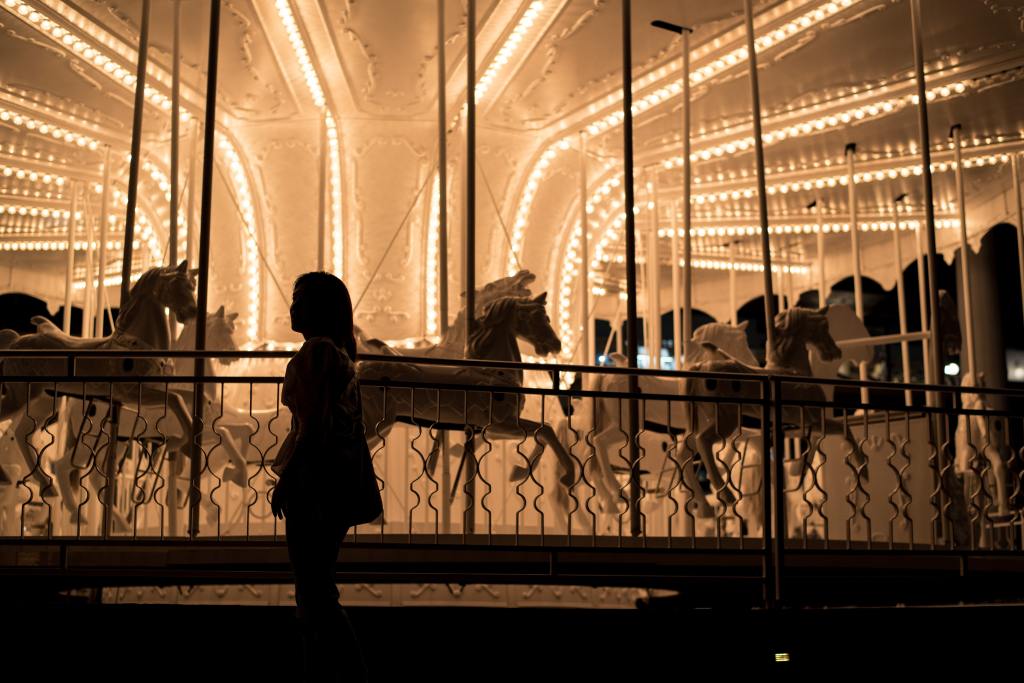


 Unstamatic